
Travel, Hospitality & STR SaaS
Product Design for Booking, PMS & Travel Experience Platforms
Designing travel SaaS that turns confidence into bookings
I design travel SaaS and PMS platforms that make booking feel reassuring for guests and operations feel clear and scalable for hosts.
I’m a Product Designer specialising in travel SaaS, hospitality platforms, and high-consideration booking journeys, where trust, clarity, and decision-making matter just as much as aesthetics.
My work spans high-consideration booking journeys, guest lifecycle design, and host-facing systems, translating complex hospitality workflows into calm, intuitive product experiences that drive confidence, conversion, and long-term loyalty.
Grounded in hands-on hospitality and luxury travel experience, I design end-to-end journeys across luxury travel, boutique hospitality, and short-term rentals (STR) that help guests find the right stay faster, book with confidence, and feel supported throughout the entire stay lifecycle; while enabling hosts and operators to manage listings, communication, operations, and quality at scale through intuitive, low-friction systems that quietly improve bookings, reviews, and repeat stays.
Why Travel, Hospitality, and SaaS
I’m drawn to travel and hospitality because it’s an industry where digital products directly shape real-world experiences. Booking flows influence trust, dashboards shape daily operations, and small UX decisions can determine whether a stay feels calm or stressful. Designing SaaS in this space means designing for emotion, logistics, and high-stakes decision-making at the same time, which is exactly the kind of complexity I enjoy working with.
What keeps me deeply engaged is the practical impact of well-designed SaaS products in hospitality. PMS platforms, guest-experience tools, and operational dashboards aren’t abstract systems, they’re used daily by hosts, hotel teams, and operators under real pressure. I care about designing products that reduce cognitive load, surface the right information at the right moment, and help people feel confident in both booking and running a stay.
My passion for this industry comes from hands-on product use and building within it. Through creating and running azulomo as a self-sustaining SaaS platform, alongside extensive travel and hospitality UX work, I’ve experienced first-hand how product design decisions affect adoption, trust, retention, and growth. That perspective shapes how I design: calm, behaviour-led, and always grounded in how products are actually used day to day.
My experience in travel, hospitality and SaaS:
-
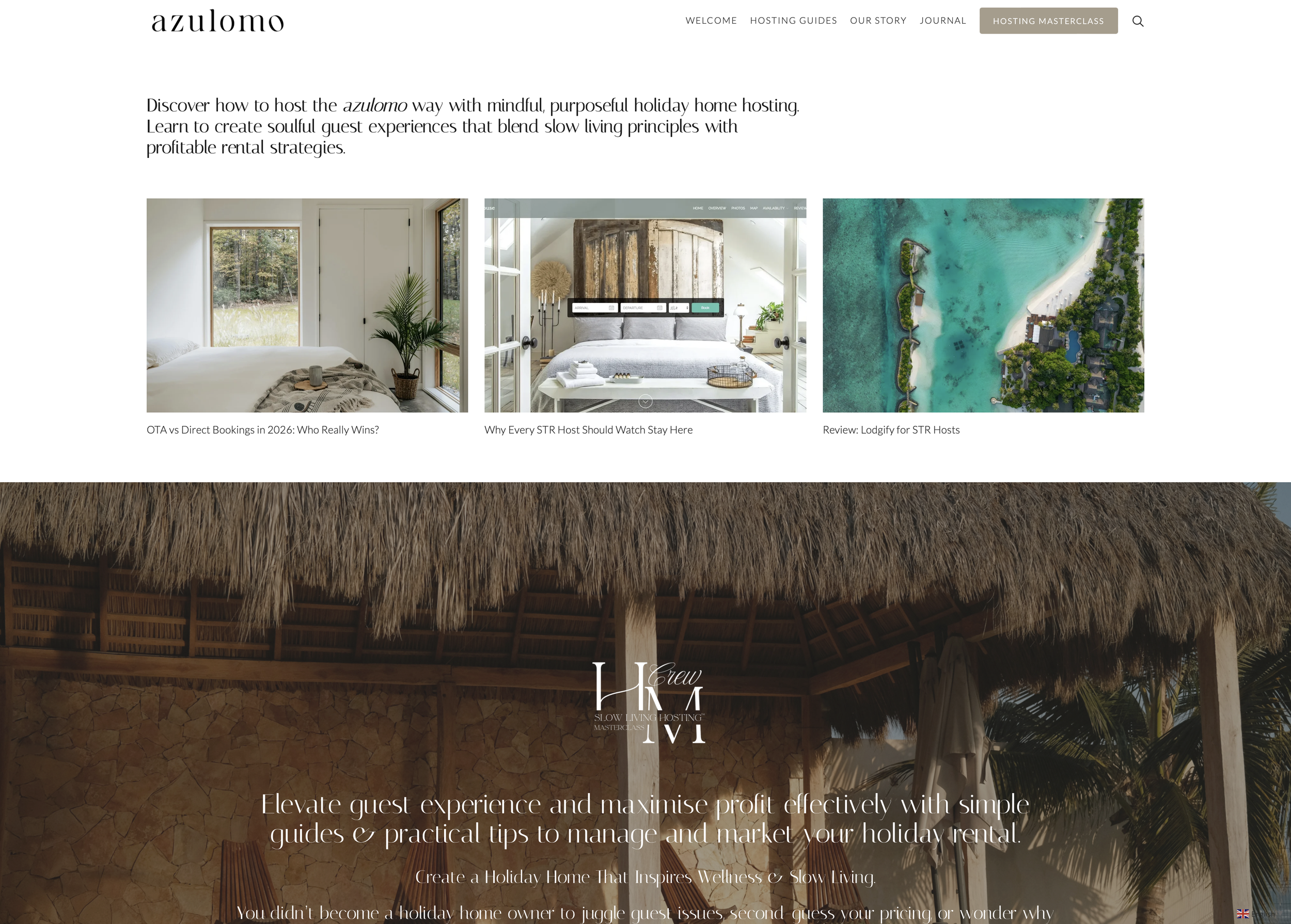
I founded and designed azulomo, a product-led learning platform built for boutique STR owners, hotels, and wellness retreat hosts. I approached it as a SaaS product challenge, not “just a course” ~ designing the full lifecycle from discovery and UX architecture through onboarding, optimisation, positioning, and go-to-market.
My role:
Product discovery: opportunity framing, market gap definition, positioning
UX and interaction design: information architecture, progression, navigation, clarity systems
Learning journey design: onboarding, momentum, reflection, application, outcomes
Research and iteration: behavioural signals, hesitation analysis, comprehension testing
Platform strategy: modular architecture designed to scale and run independently as a SaaS platform
Product marketing and growth: messaging, conversion thinking, and practical decision support
Why this matters for travel SaaS:
Building azulomo sharpened my ability to design host dashboards, operational journeys, lifecycle systems, and content-driven decision tools that reduce overwhelm and drive real behaviour change. It’s product design grounded in the realities of hospitality operations, not theory.See how I approached this as a full SaaS product challenge → azulomo
-
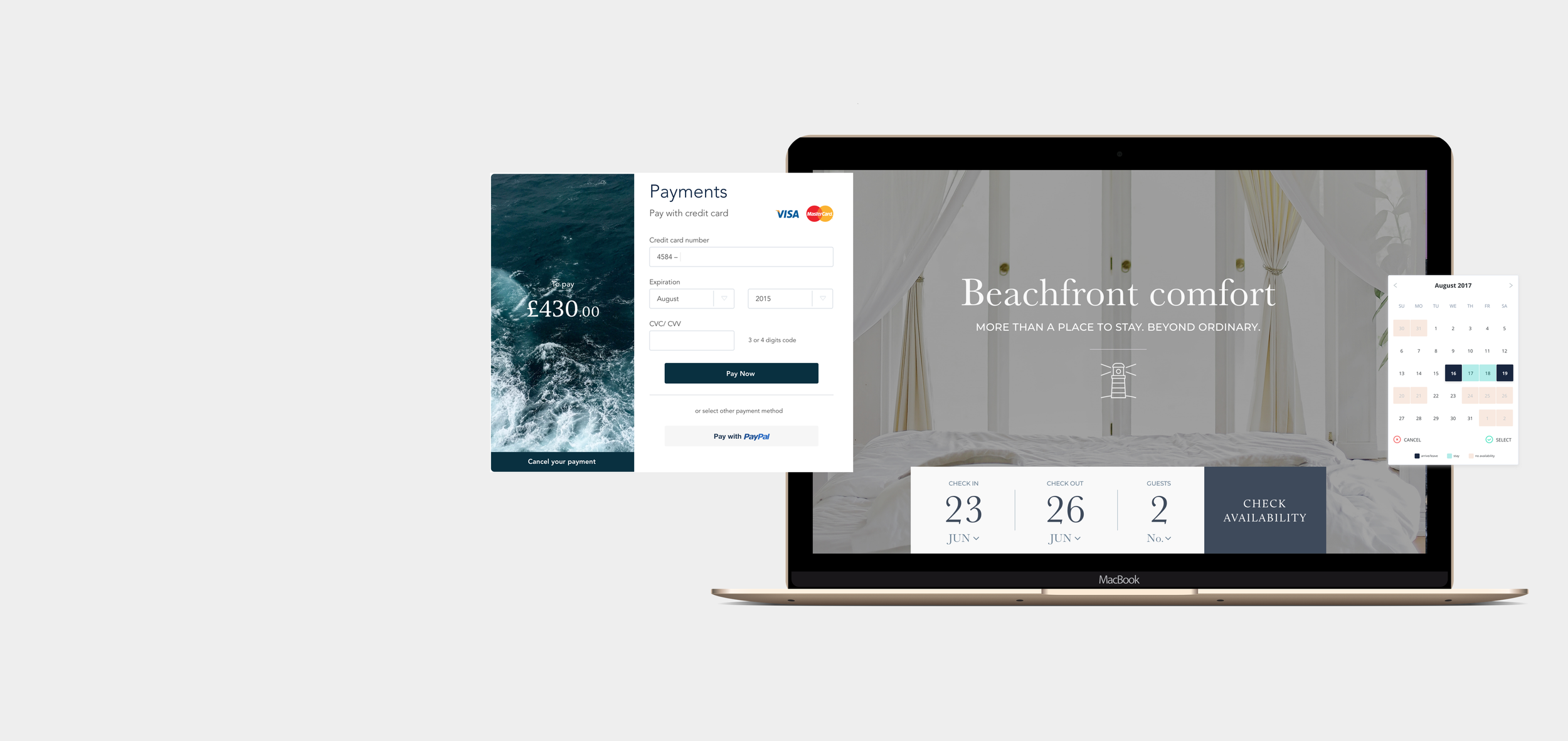
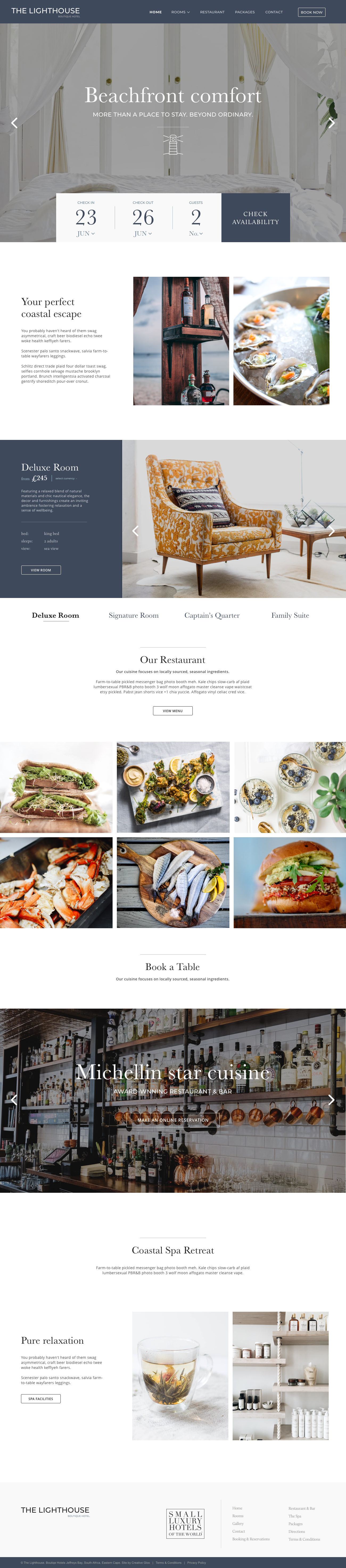
I designed an end-to-end luxury booking experience for a boutique coastal hotel, focused on removing friction between inspiration and conversion. I approached this as a high-consideration decision journey, where trust, reassurance, and perceived value are essential to moving guests from browsing to booking with confidence.
My role:
Booking journey design: mapping guest intent from inspiration through commitment, ensuring clarity at every decision point
High-consideration UX: designing for complex decision behaviour, including couples and shared decision-making dynamics
Experience-led CRO: applying behavioural insight to reduce hesitation, answer unspoken questions, and build confidence without pressure
Content and information hierarchy: balancing emotional storytelling with practical logistics so users feel reassured, not overwhelmed
Visual flow and attention design: structuring content using proven F ~ Z reading patterns to guide focus naturally through the journey
Why this matters for travel platforms:
This project strengthened my ability to design booking experiences that convert without feeling transactional, blending emotional resonance with operational clarity to support higher-value bookings, stronger trust signals, and confident guest commitment.
See how I designed a high-consideration booking journey → The Lighthouse
-
I designed an early-stage travel discovery MVP (Explore Now Project) exploring a simple behavioural insight ~ people trust recommendations more when they come from like-minded travellers with lived experience, rather than anonymous rankings or generic lists. This was a product strategy and behavioural design challenge, built with an MVP mindset and rapid validation loops.
My role:
Product concept and positioning: defining the value proposition around trust, relevance, and social proof
User journeys and interaction design: shaping discovery flows, navigation, and interaction patterns that felt intuitive and human
Information architecture: structuring content to support exploration without cognitive overload
Behavioural assumptions and validation: testing trust signals, relevance cues, and decision triggers through iterative feedback
MVP scope and prioritisation: collaborating closely with engineering to balance ambition with feasibility, including the spatial data layer
Why this matters for travel SaaS and discovery products
This project sharpened my ability to design discovery experiences rooted in behaviour, not features; translating trust psychology into scalable product structures that support relevance, engagement, and meaningful decision-making.
See how I explored trust-driven discovery and MVP design → Explore Now
-
My work spans enterprise SaaS platforms and complex digital ecosystems, designing experiences that prioritise clarity, confidence, and decision-making. It includes location and identity products, dashboard and trends visualisation, end-to-end SaaS journeys, and conversion-focused UX, all grounded in behavioural insight.
My role:
Product research and discovery: opportunity framing, qualitative and quantitative research, behavioural hypothesis development
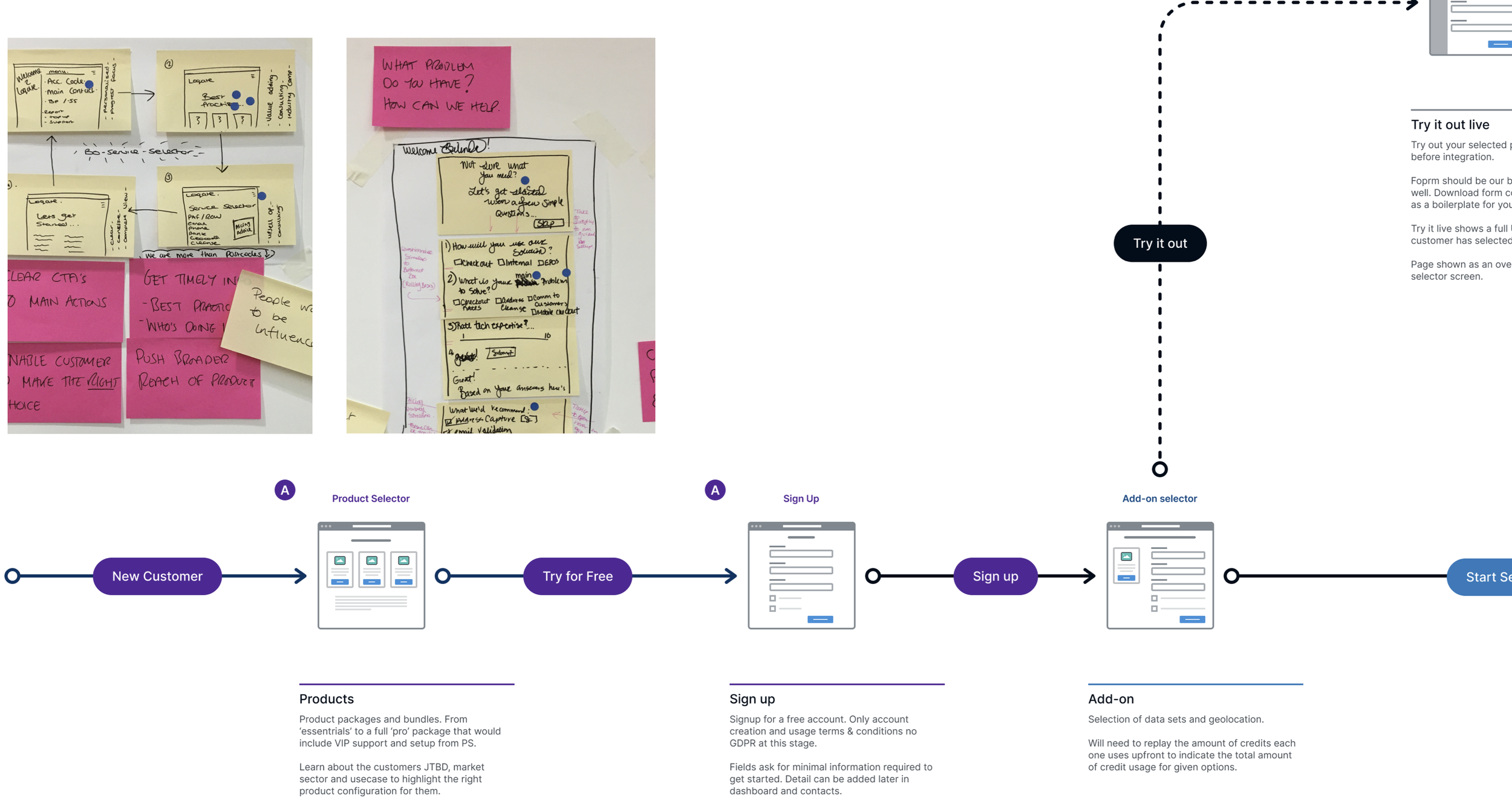
End-to-end SaaS journey design: onboarding, activation, feature adoption, escalation paths, and retention loops
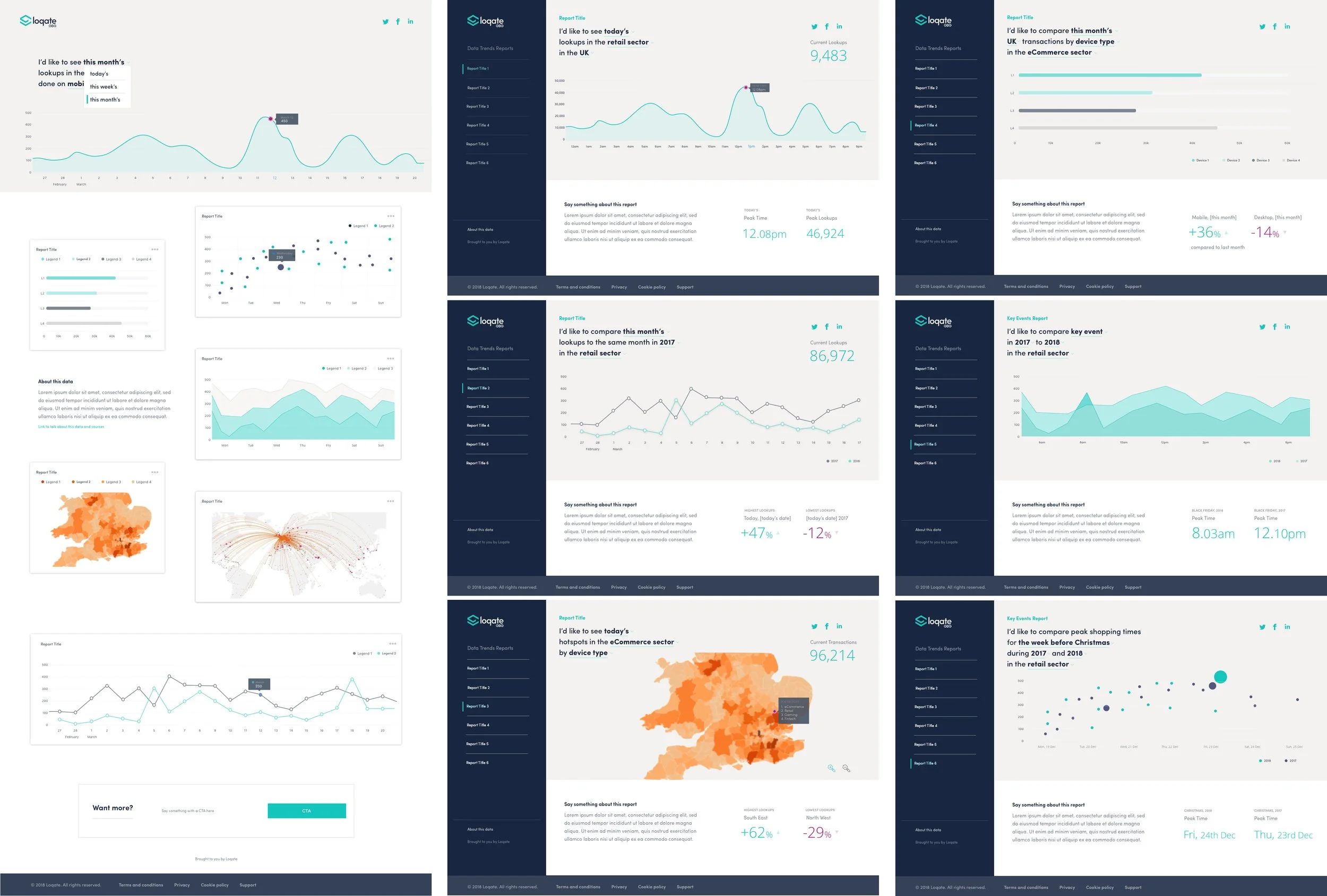
Dashboard and trends design: ecommerce and performance trend dashboards structured for fast sense-making and confident decision-support
Location and identity product design: spatial, identity-driven, and context-aware experiences that personalise workflows and relevance
CRO and optimisation: applying behavioural UX patterns to reduce friction, improve engagement, and support conversion
Agile product design: close collaboration with product and engineering in iterative sprints, testing, and continuous improvement
Product activation and onboarding: accelerating time-to-value through clear, confidence-building early user experiences
Why this matters for SaaS platforms:
This experience has shaped my ability to design high-stakes SaaS products where data density, urgency, and user trust intersect. I translate complex systems into calm, intelligible experiences that help teams make better decisions, improve adoption and retention, and scale platforms without increasing cognitive load.
See how I designed SaaS journeys and digital control rooms → Enterprise SaaS projects
What I bring to travel SaaS teams
Product design that connects experience, operations, and growth.
I design travel SaaS products focused on how experience, operations, and commercial outcomes work together. My work spans the full product journey: discovery, onboarding, activation, and retention, grounded in real user behaviour and how people make decisions in high-consideration environments.
Typical areas I cover
Host and operations dashboards: clear hierarchy, decision support, actionable insight
Booking and checkout journeys: trust signals, friction removal, and confident commitment
Onboarding and activation: guided setup, faster time-to-value, and reduced drop-off
Research and testing: qualitative insight, behavioural observation, and iterative refinement
Product-led growth: aligning UX, messaging, and conversion as one coherent system
-
I start with clarity, not screens, staying close to the people who actually use the product. Real understanding comes from listening to users in context, hearing their language, and seeing how products fit into everyday work. Building and running the azulomo platform gave me first-hand insight into this, shaping how I think about product decisions, priorities, and long-term value.
My work is grounded in research and behaviour, interviews, observation, usability testing, and usage data, to uncover where users hesitate or drop off. I work iteratively, moving quickly from rough thinking to tested ideas, focusing on simplifying complexity, improving confidence, and designing products that scale over time.
I take ownership of outcomes, not just tasks. I value calm, thoughtful progress, reliability, and building products that last.
-
I work best as part of a cross-functional product team, partnering closely with product managers, engineers, and stakeholders. I value shared context, early alignment, and clear communication over formal handovers. I’m comfortable working asynchronously, giving and receiving feedback, and navigating trade-offs between user needs, business goals, and technical constraints.
-
Working in travel and hospitality sharpened my understanding of high-consideration decision-making. Trust, timing, and reassurance matter as much as features. I’ve learned to design products that balance inspiration with logistics, reduce uncertainty, and support users emotionally as well as practically, whether they’re booking a stay or running one.
-
I use tools intentionally, choosing what best supports the product, the team, and the stage of work, rather than relying on a fixed setup.
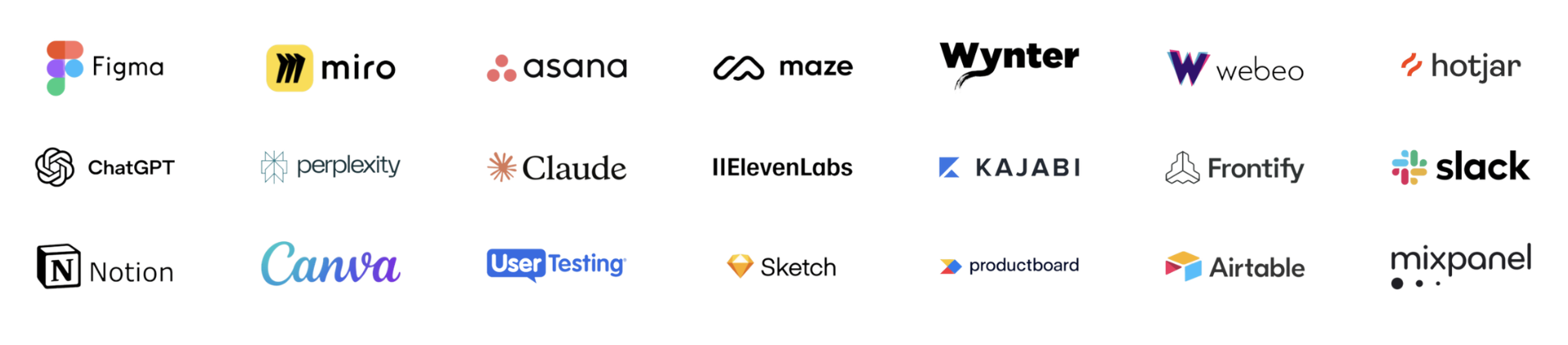
For design and systems thinking, I primarily work in Figma, with Miro for journeys, workshops, and complex problem mapping. I design scalable UI systems, component libraries, and prototypes ready for engineering collaboration.
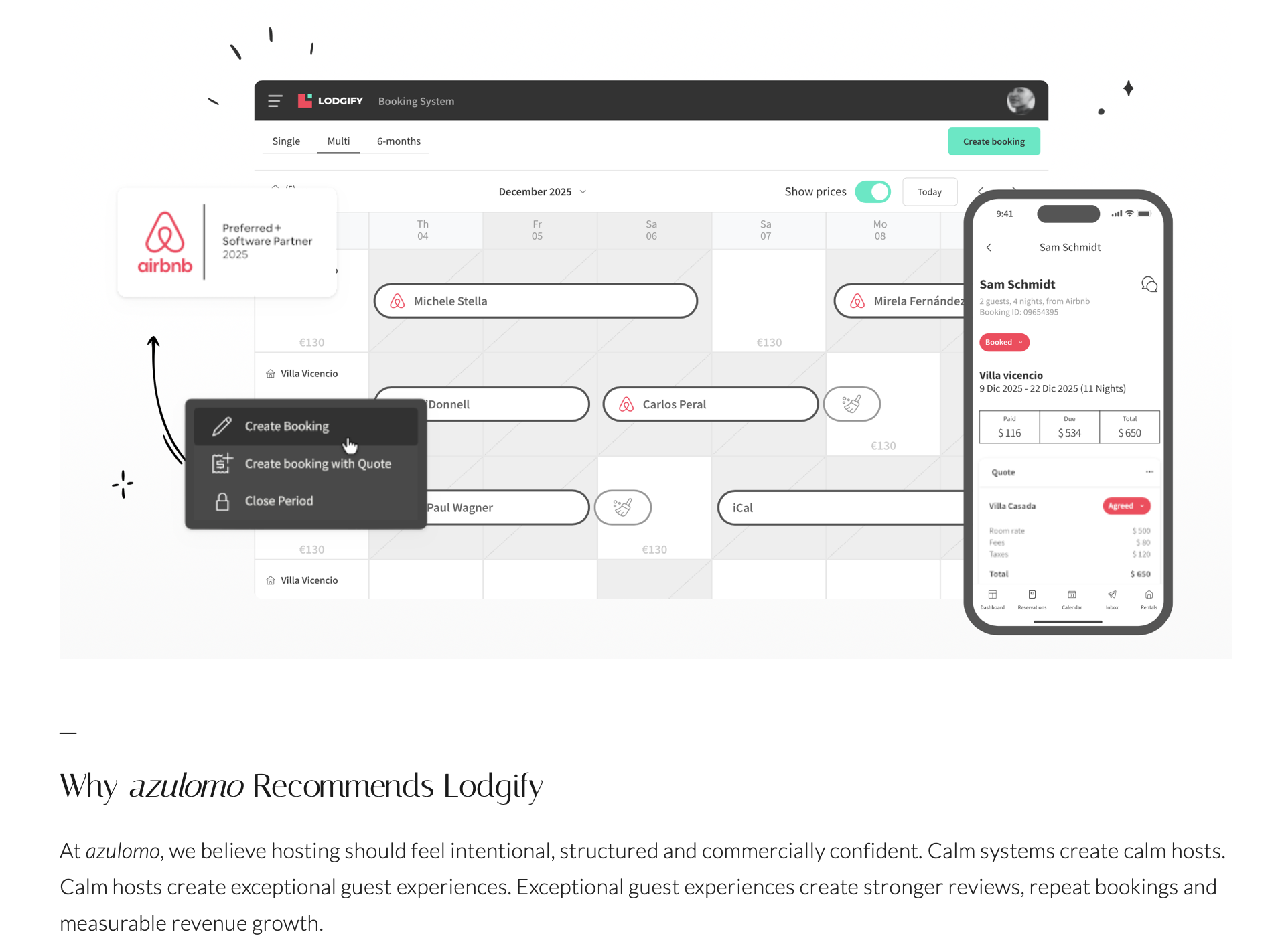
For research and optimisation, I use tools like UserTesting, Maze, Hotjar, Mixpanel, Wynter, and Webeo to combine qualitative insight with behavioural data and measure real impact.
For planning and collaboration, I work in Notion, Airtable, Productboard, Asana, and Slack. I also use AI and content tools, including ChatGPT, Claude, Perplexity, and ElevenLabs, to support research synthesis, content exploration, and faster iteration.
Overall, my stack supports clarity, speed, collaboration, and evidence-led decisions across SaaS and platform products.
Designing Travel as a Product Experience
-
![Self-Serve Learning Platform Design]()
Self-Serve Learning Platform Design
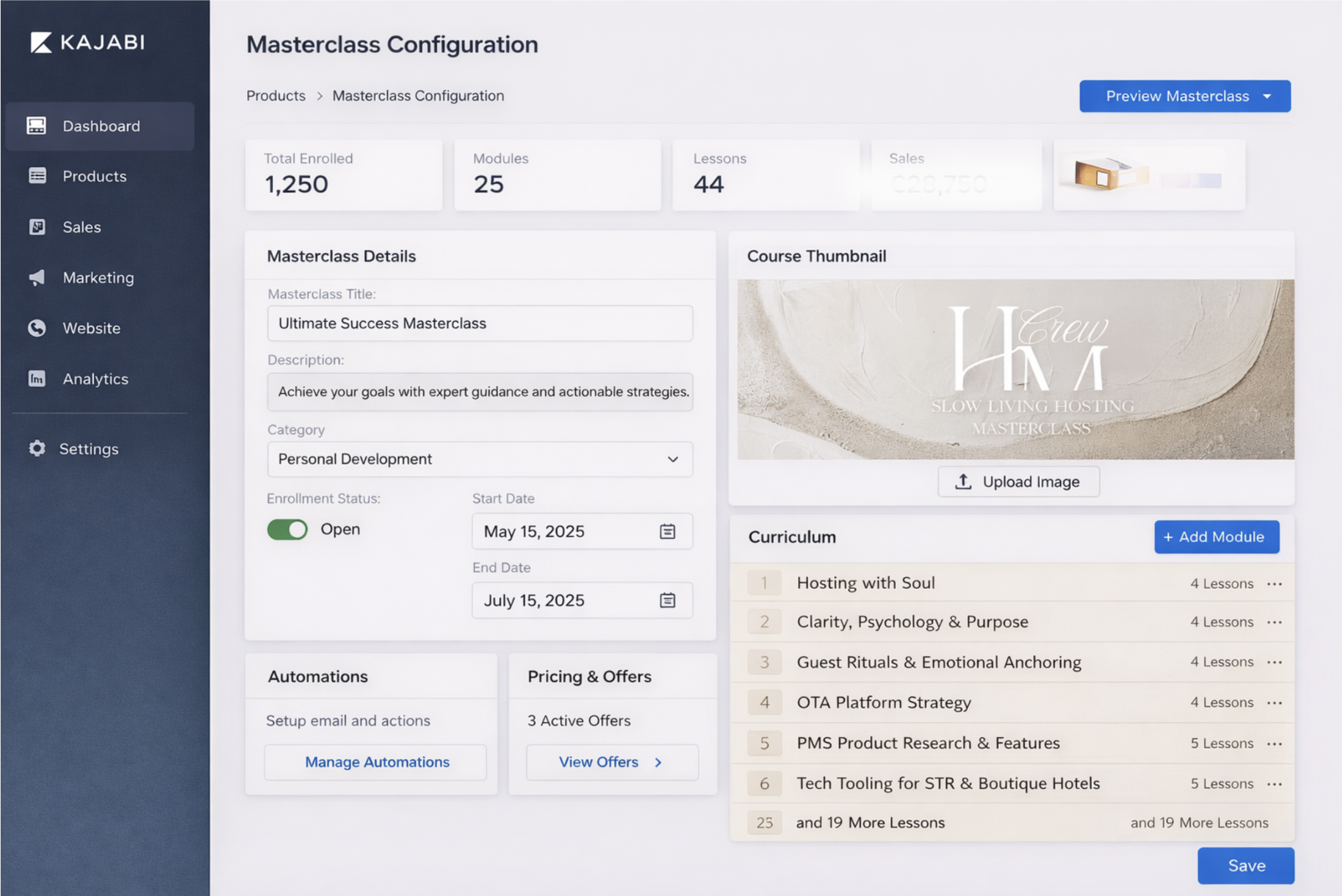
Built a masterclass as a self-serve SaaS product, shaping the learning experience, automation, and platform logic to support use at scale.
-
![OTA & Direct Booking Listing Optimisation]()
OTA & Direct Booking Listing Optimisation
Designing listing structures and content flows that improve clarity, trust, and conversion across OTA and direct booking channels.
-
![Insight Guides for Hosts & Property Managers]()
Insight Guides for Hosts & Property Managers
Creating research-led, revenue-focused content guides that translate market data, guest psychology and travel trends into practical strategies for hosts and property managers.
-
![PMS & STR Hospitality Tooling Evaluation]()
PMS & STR Hospitality Tooling Evaluation
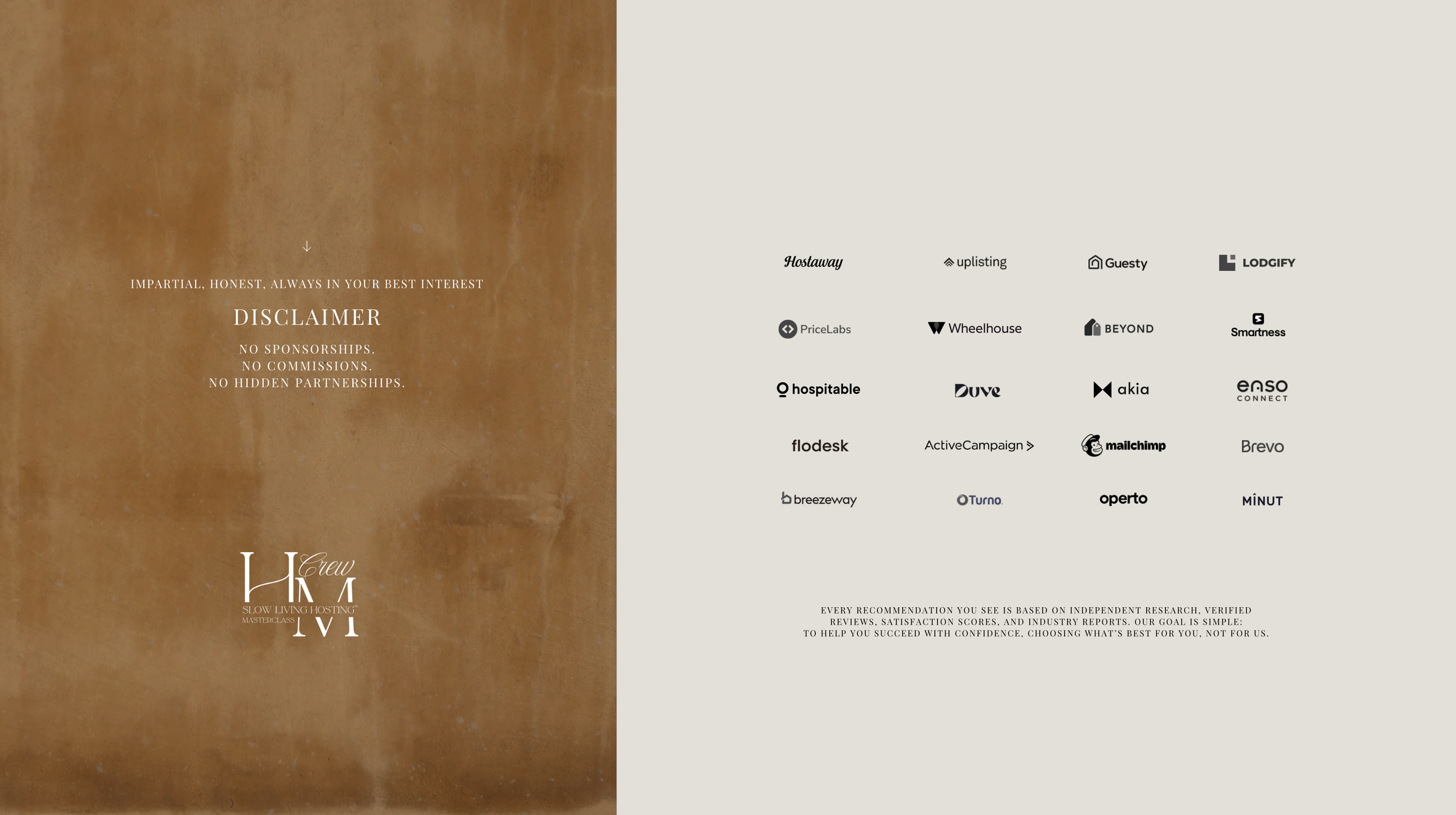
Evaluating PMS and guest-experience tools through a product and UX lens to identify gaps, friction, and optimisation opportunities.
-
![Boutique STR SaaS Training Platform]()
Creating a Boutique STR SaaS Training Platform
Founding and designing a product-led SaaS learning platform for boutique STR and hospitality hosts, built for clarity, scale, and real-world use.
-
![MVP Product & Platform Design]()
MVP Product & Platform Design
Designing MVP products from concept to validation, balancing speed, usability, and long-term platform thinking.
-
![Digital Booking Experience & Marketing UX]()
Digital Booking Experience & Marketing UX
Designing high-consideration booking journeys that align UX, UI, and marketing to reduce hesitation and drive confident commitment.
-
![Personalised Experience Design]()
Personalised Experience Design
Creating personalised product experiences using behavioural insight, intent, and context to increase relevance and engagement.
-
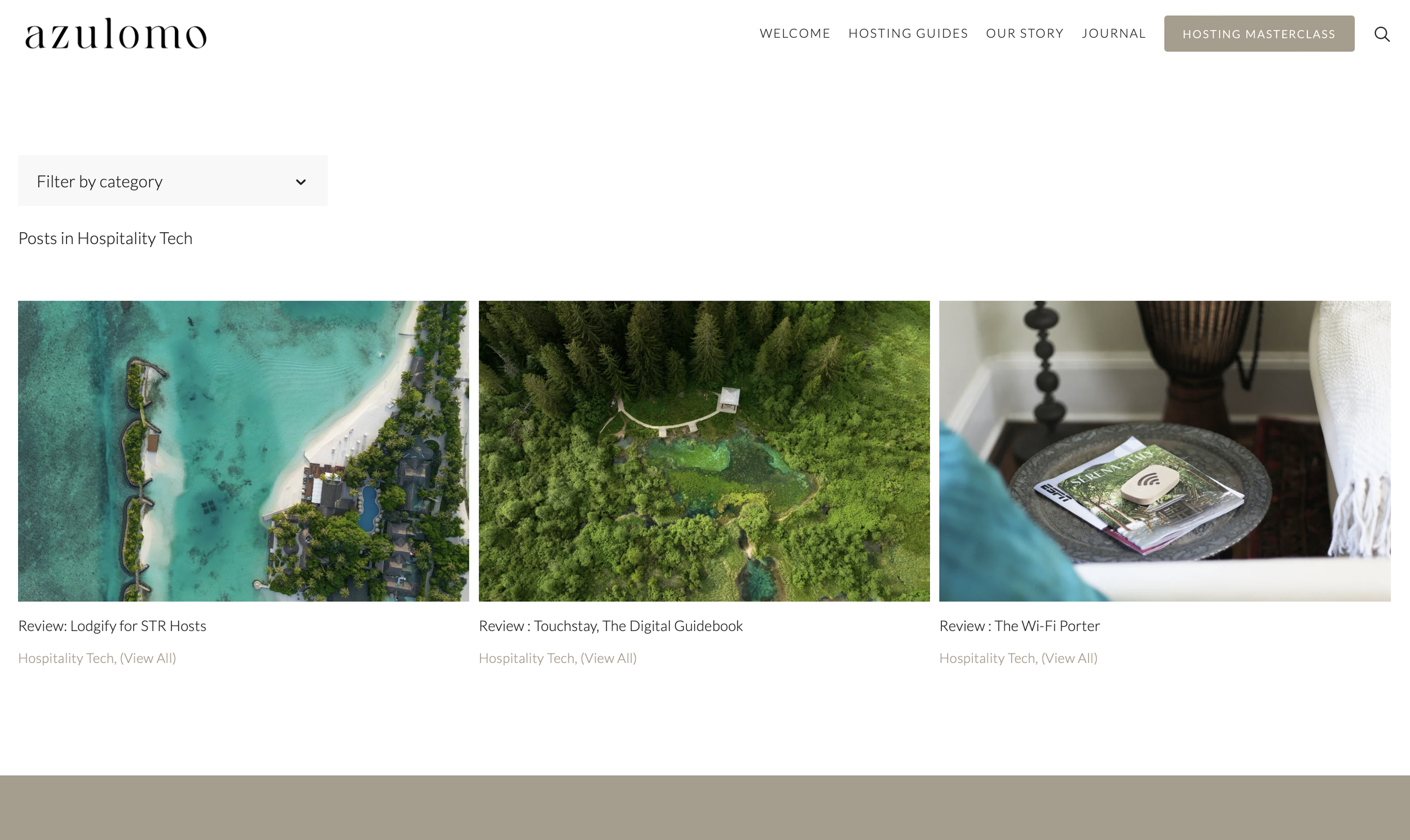
![Travel Tech Reviews for Boutique Hosts]()
Travel Tech Reviews for Boutique Hosts
I analyse and review travel tech platforms through a product, UX and revenue lens to help hosts choose tools that genuinely improve performance and guest experience.
-
![Heuristic Product Evaluation]()
Heuristic Product Evaluation
Applying heuristic analysis to identify usability issues, friction points, and missed opportunities across complex SaaS products.
-
![Product Workshops & Requirements Discovery]()
Product Workshops & Requirements Discovery
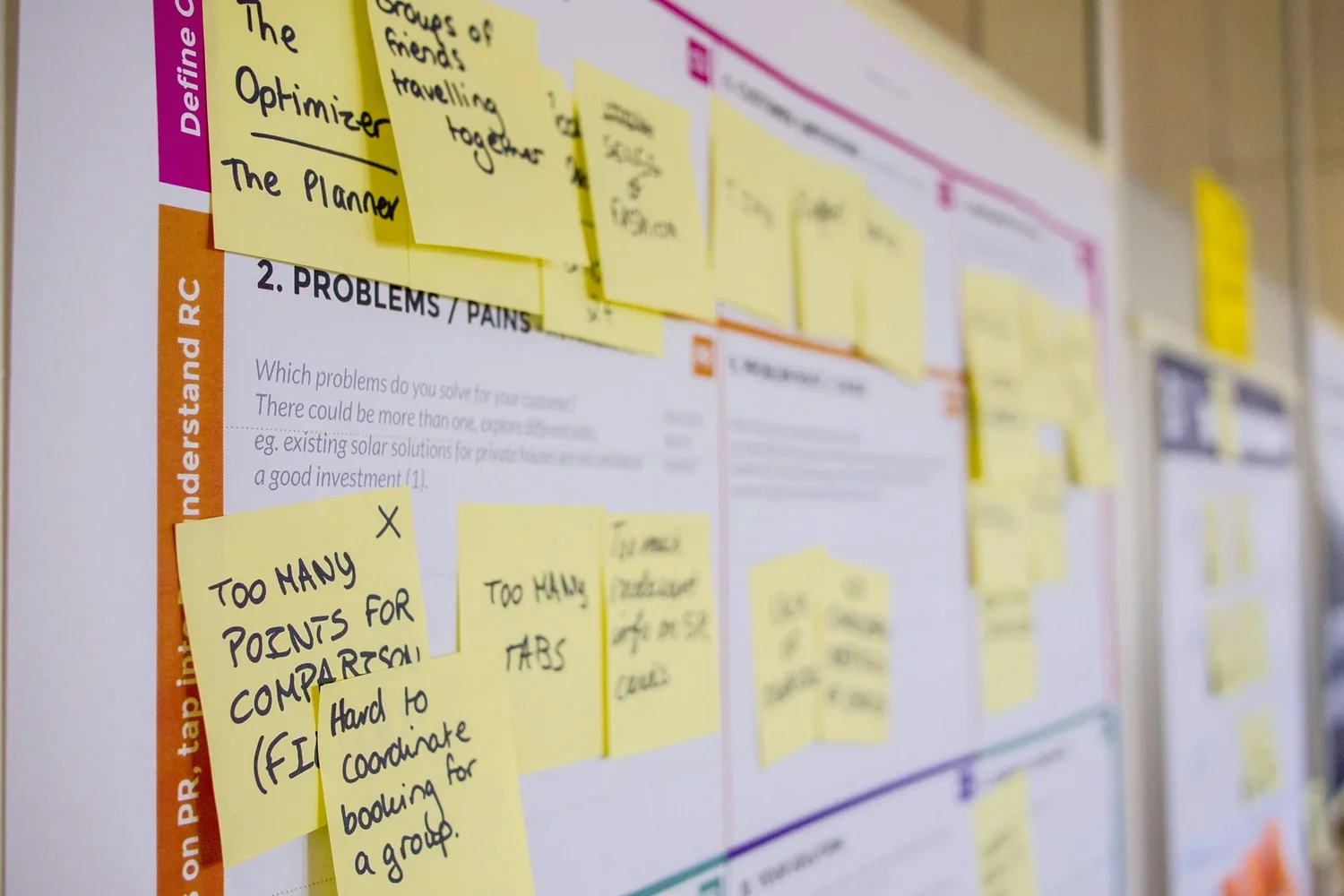
Facilitating workshops, requirements gathering, and research synthesis to align teams around real user needs and product priorities.
-
![SaaS Product Design]()
SaaS Product Design
Designing scalable, revenue-conscious, growth-oriented SaaS products with a focus on usability, clarity, and long-term product health.
-
![Product Dashboard Design]()
Product Dashboard Design
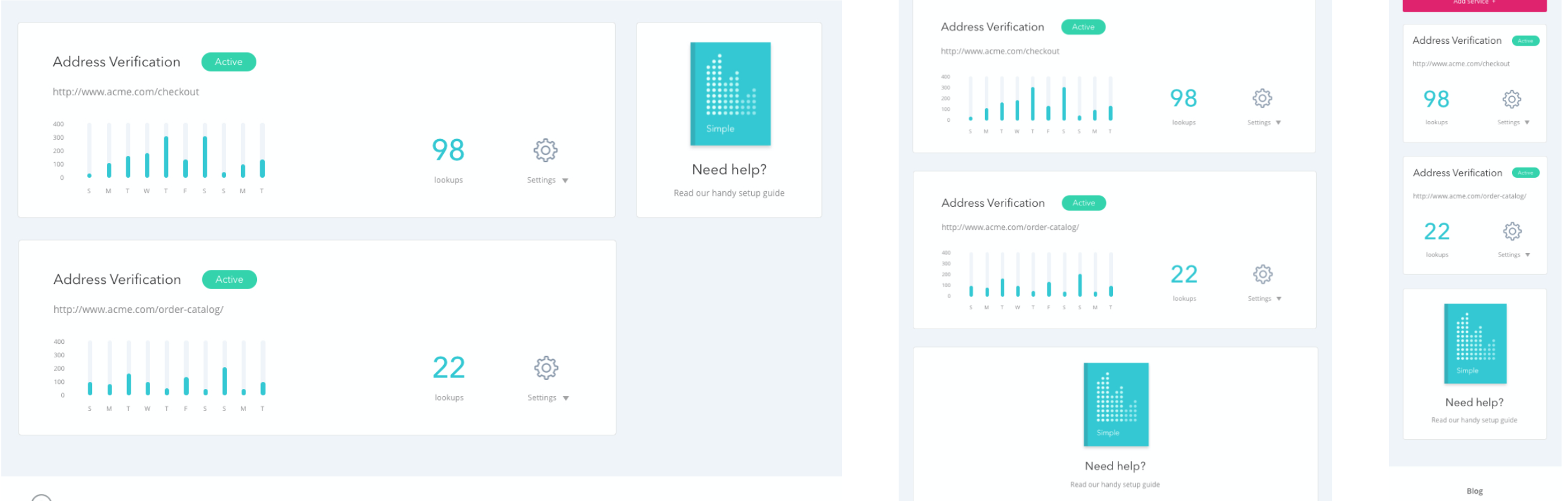
Designing dashboards that surface meaningful data clearly, supporting confident decision-making without overwhelm.
-
![Dashboard UX, UI & Interaction Design]()
Dashboard UX, UI & Interaction Design
Crafting intuitive, data-informed dashboard experiences through thoughtful UI, interaction design, and clear information hierarchy.
-
![Onboarding & Activation IA and Interaction Design]()
Onboarding & Activation IA and Interaction Design
Designing seamless, behaviour-driven onboarding and activation flows that accelerate time-to-value and reduce early user drop-off.
-
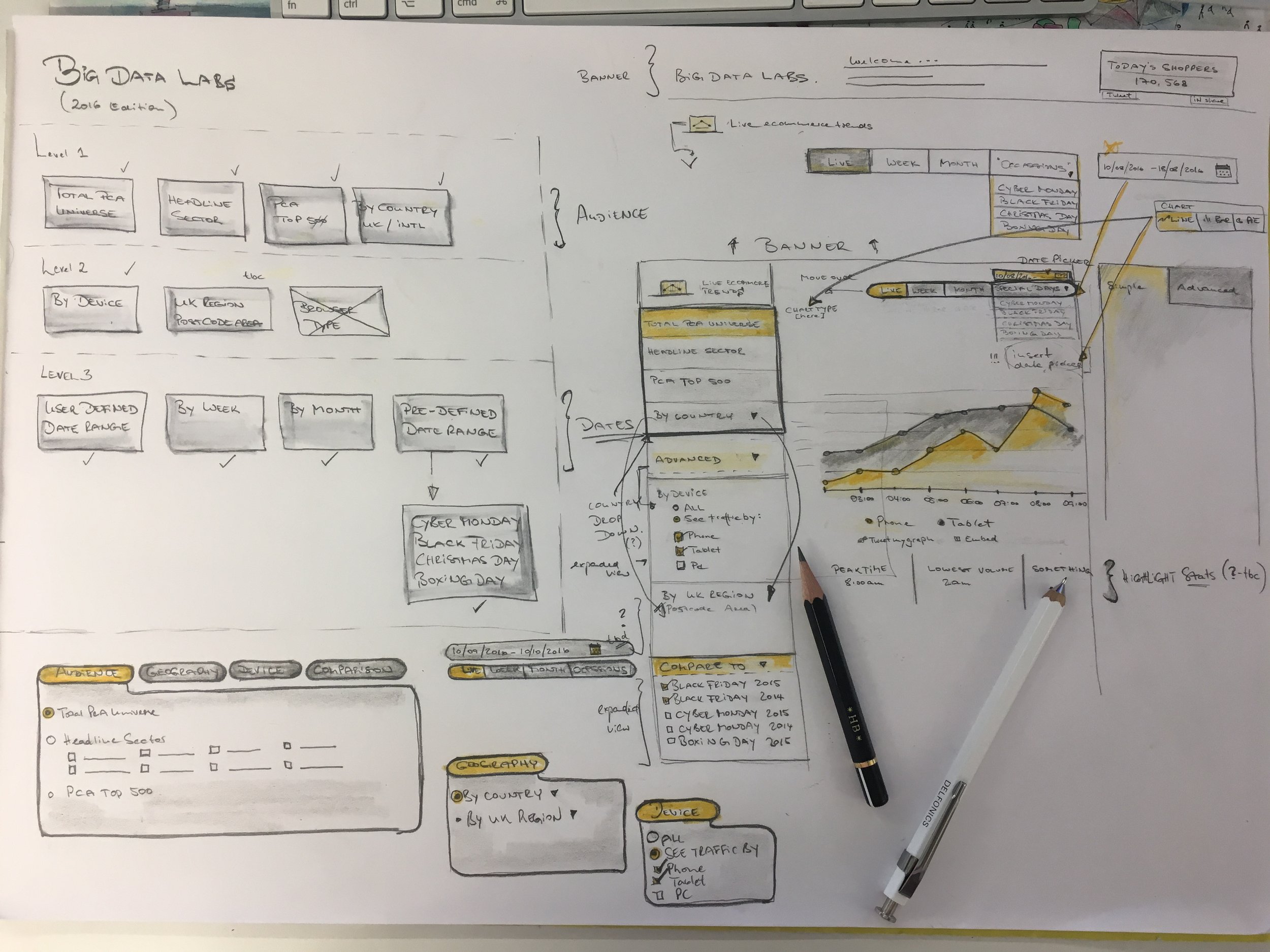
![Low-Fidelity Ideation Sketching]()
Low-Fidelity Product Ideation Sketching
Using pen-and-paper sketching and low-fidelity ideation to explore product ideas quickly before committing to solutions.
-
![High-Fidelity Travel Experience UI Design]()
High-Fidelity Travel Experience UI Design
Designing polished, high-fidelity interfaces for travel and hospitality products that balance aesthetics with usability.
-
![User Research & Persona Mapping]()
User Research & Persona Mapping
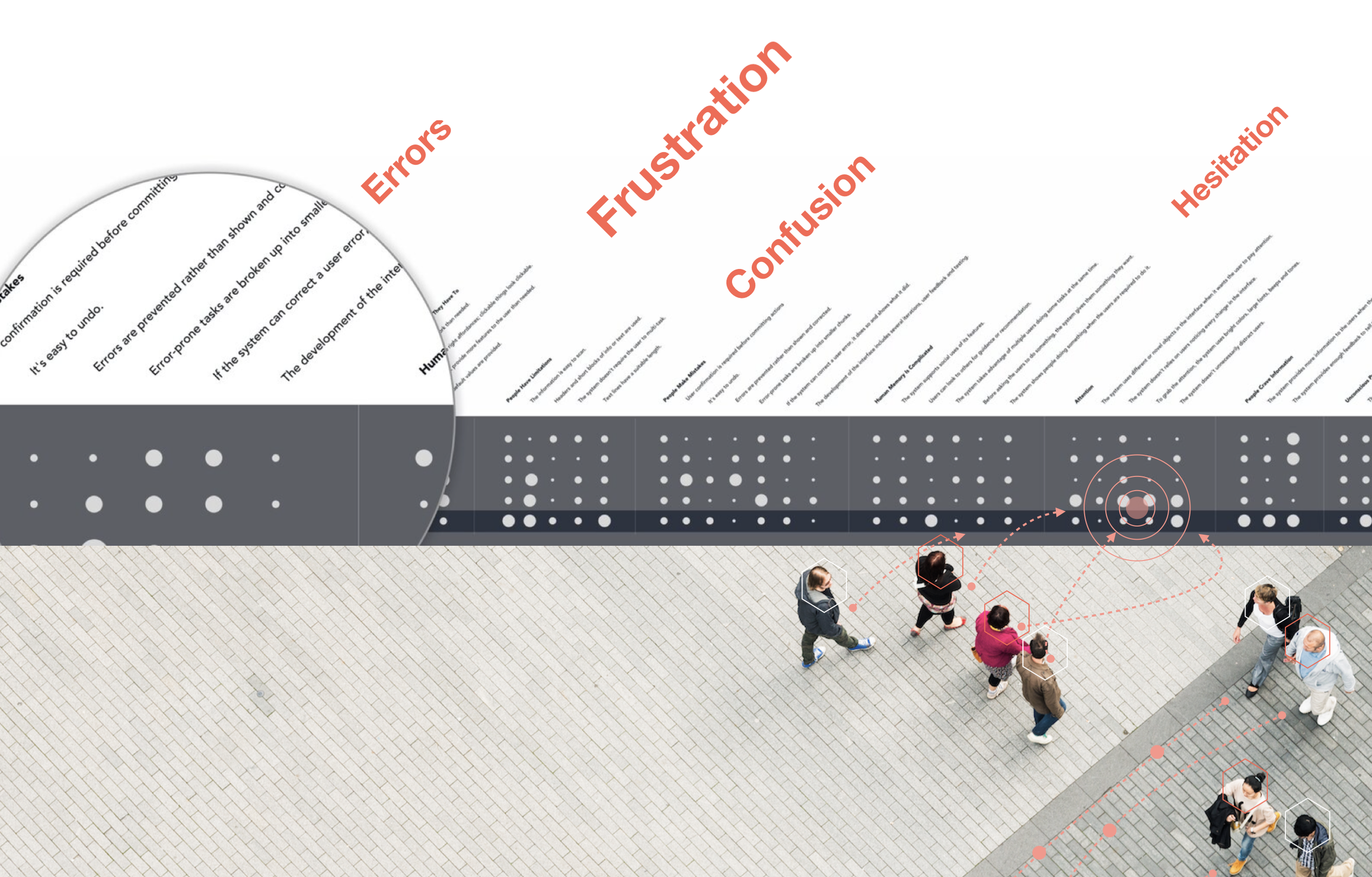
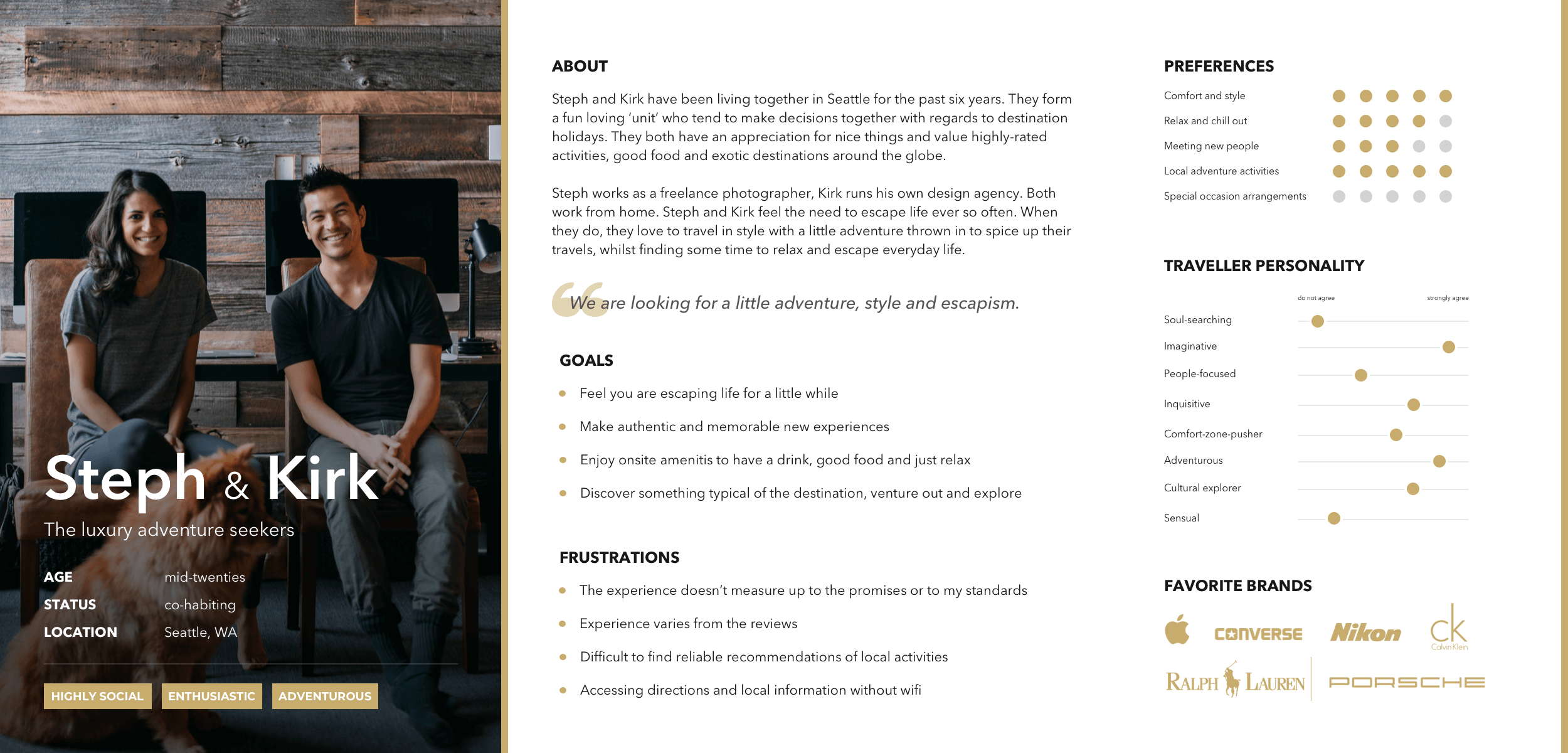
Conducting user research and interviews to map personas, behaviours, and unmet needs directly from real users.
-
![Reporting & Output Dashboard Design]()
Reporting & Output Dashboard Design
Designing reporting dashboards that clearly communicate performance, trends, and insights across product suites.
-
![Enterprise SaaS Experience: Location & Identity]()
Enterprise SaaS Experience: Location & Identity
Designing enterprise SaaS experiences rooted in location, identity, and context-aware product systems.
-
![Travel Experience Design & Growth UX]()
Travel Experience Design & Growth UX
Designing travel experiences that align UX, growth marketing, and behavioural design to support discovery and conversion.
-
![SaaS Usability Studies]()
SaaS Usability Studies
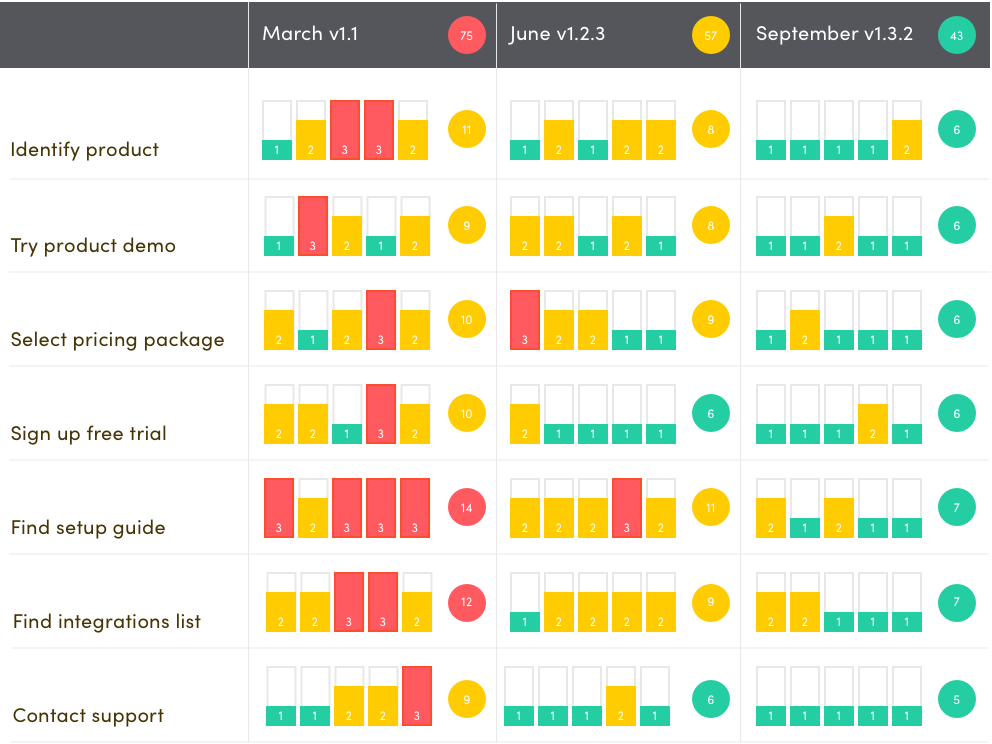
Running usability studies with end users to validate flows, identify friction, and inform iterative improvements.
-
![Iterative SaaS Product Optimisation]()
Iterative SaaS Product Optimisation
Continuously improving SaaS products through testing, insight, and evidence-led iteration.
-
![Hospitality SaaS Training Course (azulomo)]()
Hospitality SaaS Training Course (azulomo)
Designing and running a SaaS-based training course for the hospitality industry, focused on practical application, clarity, and scale.
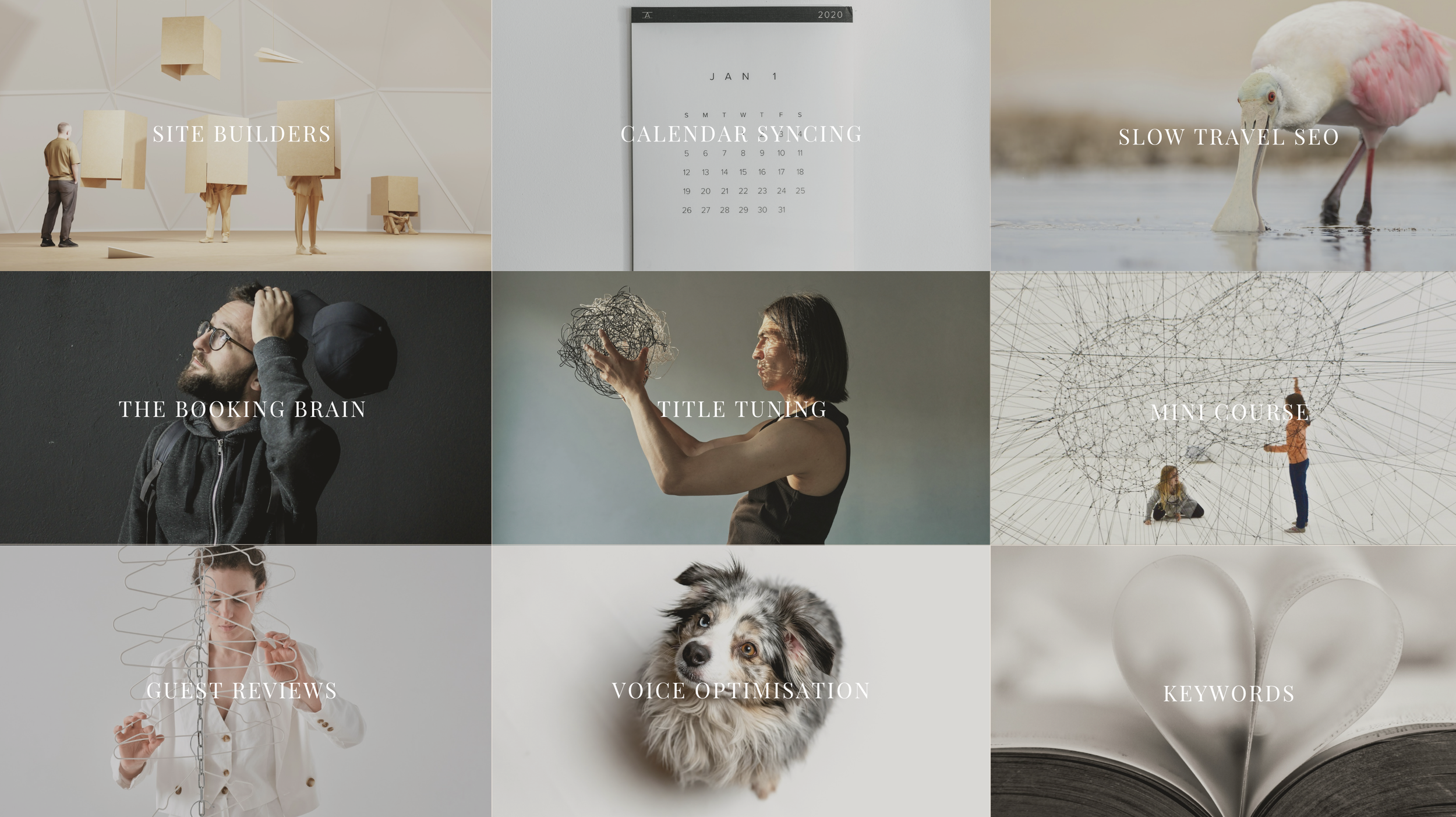

The thread across all of it…
Whether I’m designing a boutique hotel booking flow, a travel discovery MVP, or a host-focused learning platform, the goal is consistent:
Reduce cognitive load. Increase trust. Make the next step obvious. That’s what turns travel browsing into bookings, and busy hosts into confident operators.
If you want someone who understands the travel space beyond generic UX patterns, and can design systems that support both guest intent and host operations, I’m very at home here.

Frequently Asked Questions
-
No. I don’t require a work permit to work in the UK or Europe. I’m set up to work remotely with companies across the UK and Europe without additional visa requirements, which keeps collaboration simple and flexible.
-
I’m based in Portugal, in the Algarve, just outside the beautiful town of Silves. I work remotely with teams across the UK and Europe, and being based in a region so closely connected to travel and hospitality gives me constant, real-world insight into how guests move, book, arrive, and experience places.
-
Yes, absolutely. While I work primarily remotely, I’m very open to travelling for key team moments, workshops, or on-site collaboration. In travel and hospitality especially, I value the insight that comes from being close to the product, the team, and sometimes the real-world environment it serves.
-
I collaborate in a way that’s calm, proactive, and highly engaged. I stay closely connected through regular check-ins, clear documentation, shared context, and open communication. I work best as part of a cross-functional team, partnering with product managers, engineers, and stakeholders to move things forward without unnecessary friction.
-
I’m flexible and pragmatic. I generally align with UK and European working hours, while staying adaptable to team needs and key collaboration windows. I care more about clear communication, shared expectations, and consistent delivery than rigid schedules.
-
I’m very comfortable working across time zones. I prioritise clear async communication, thoughtful documentation, and well-used overlap time. Travel and hospitality tech is inherently global, so designing and collaborating with a global mindset feels natural to me.
-
I’m intentional about staying visible without creating noise. I share progress regularly, communicate decisions clearly, and stay proactive in discussions. Having built and run my own SaaS platform, I understand how important ownership, follow-through, and presence are in remote product teams.
-
I regularly invest in self-study, including completing focused courses on Udemy, especially around product marketing, UX, CRO, psychology, and AI in product and marketing. I like learning in a practical, applied way, taking ideas straight from theory into real product work rather than letting them sit on a checklist.
Alongside courses, I love learning through podcasts, particularly from people who are deep in the work and willing to share nuance, trade-offs, and lived experience. A few I return to often are Lenny’s Podcast for thoughtful product and growth conversations and Design Better for product design insights.
Learning, for me, is continuous and layered. Courses give structure, podcasts add perspective, and real product work is where everything gets tested. That combination helps me stay current, grounded, and confident in how I design and think about products.
-
I have a reliable, well-loved remote setup designed for deep, focused product work: design, research, collaboration, and delivery. I work from a dedicated desk space with Starlink internet, so calls stay smooth and workshops don’t freeze mid-sentence. I care a lot about my environment and interior design, so I’ve created a calm, welcoming workspace where ideas can breathe, energy flows, and good thinking tends to happen more easily;)
-
When I step away from the screen, I’m usually near the coast. Living in the Algarve means coastal experiences, paddleboarding, and kayaking are part of everyday life rather than a holiday plan, which suits me perfectly. I’m deeply interested in interior and spatial design, Mediterranean aesthetics, and how environments shape mood, behaviour, and flow, which mirrors how I think about product design and UX.
I enjoy photography, creating abstract art, and lifestyle blogging, mostly as a way to observe, slow down, and notice details. I’m also a fan of psychological thrillers (the kind that make you think, not jump) and slow travel, moving through places with intention, curiosity, and time. All of it feeds into how I design: calm, considered, and quietly human.
If This Resonates…
…and you’re building products in travel, hospitality, or guest-experience SaaS, I’d love to explore how we could work together. Let’s talk about how I could support your product or team.