

Designing a Product-Led Learning Platform for Boutique Hospitality
Project: azulomo
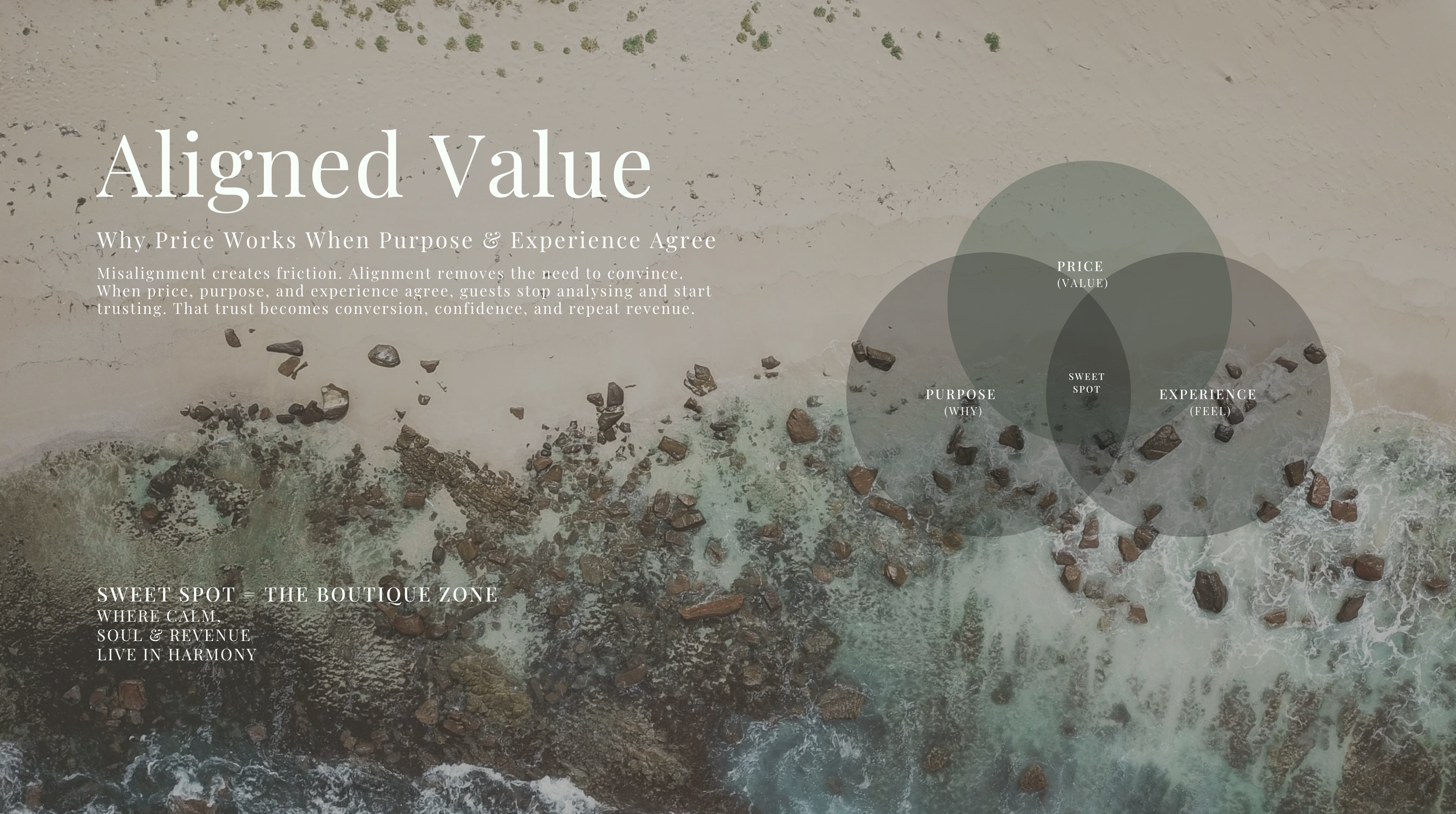
azulomo is a product-led learning platform I founded and designed end-to-end, built for the boutique short-term rental, hotel, and wellness hospitality market.
I identified a gap in how hosts were being supported and approached it as a product design and strategy challenge, not a content or course problem.
As both Product Designer and Product Owner, I owned the full lifecycle, from opportunity discovery and product strategy through UX and interaction design, research, usability testing, optimisation, branding, and go-to-market activity. Content was written and designed to guide decision-making, reduce overwhelm, and support real-world behaviour change.
The result is a modular, self-serve platform designed around human behaviour, accessibility, and real hosting workflows. Built with SaaS principles in mind, azulomo is structured to scale, operate independently, and improve through usage over time. The project demonstrates my ability to design and own complex, content-driven products that balance UX clarity, behavioural insight, and commercial outcomes, while translating strategy into a cohesive, high-performing product experience.
What I’ve Been Up To Recently
I saw a gap in the market that sat right at the intersection of everything I care about.
I’ve always had a deep appreciation for boutique holiday homes, wellness retreats, and thoughtfully run hotels, places where experience, atmosphere, and care matter. At the same time, my professional work has been rooted in product design: shaping complex digital systems, optimising journeys, and designing around real human behaviour.
What stood out was this:
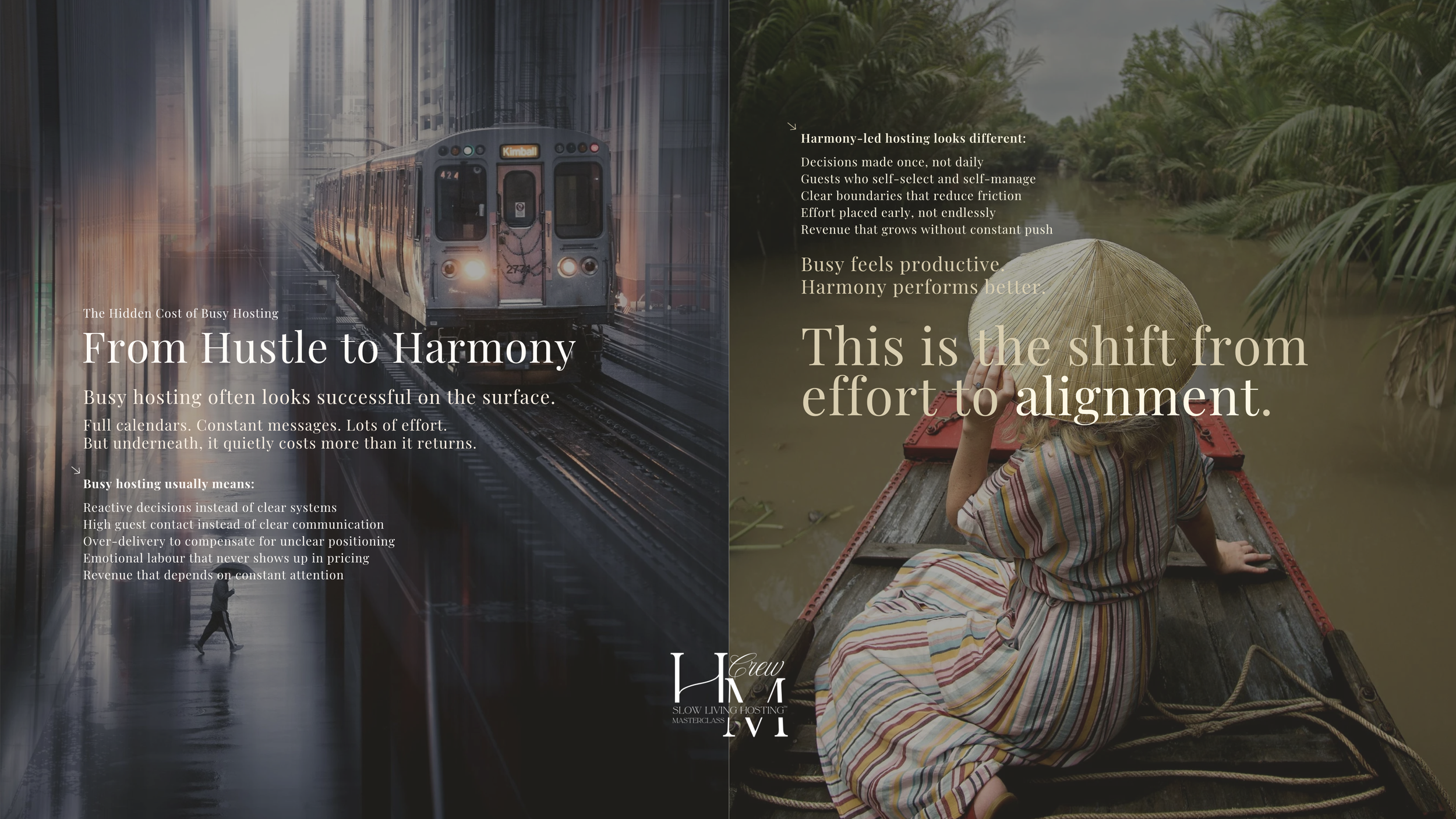
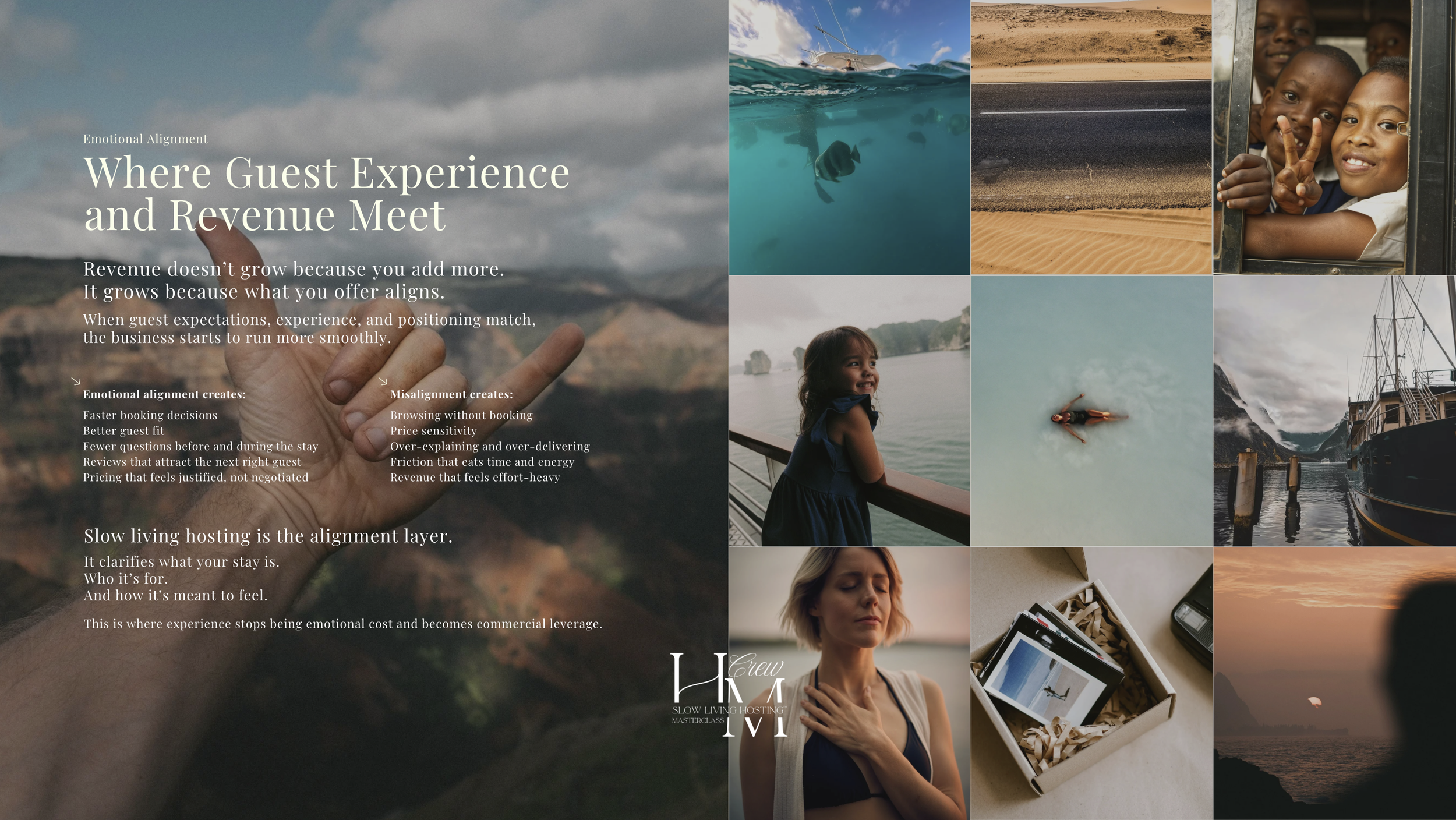
What became clear was this: the people creating emotionally rich guest experiences were being supported by tools and education that felt transactional, overwhelming, and disconnected from how people actually think, learn, and make decisions.
That disconnect became the opportunity. azulomo was created as a product, not a course. A learning experience designed with the same rigour as a SaaS platform and the same emotional intelligence as a great stay.
-
azulomo is a self-serve learning and design platform for boutique STR owners, hotel operators, and wellness retreat hosts.
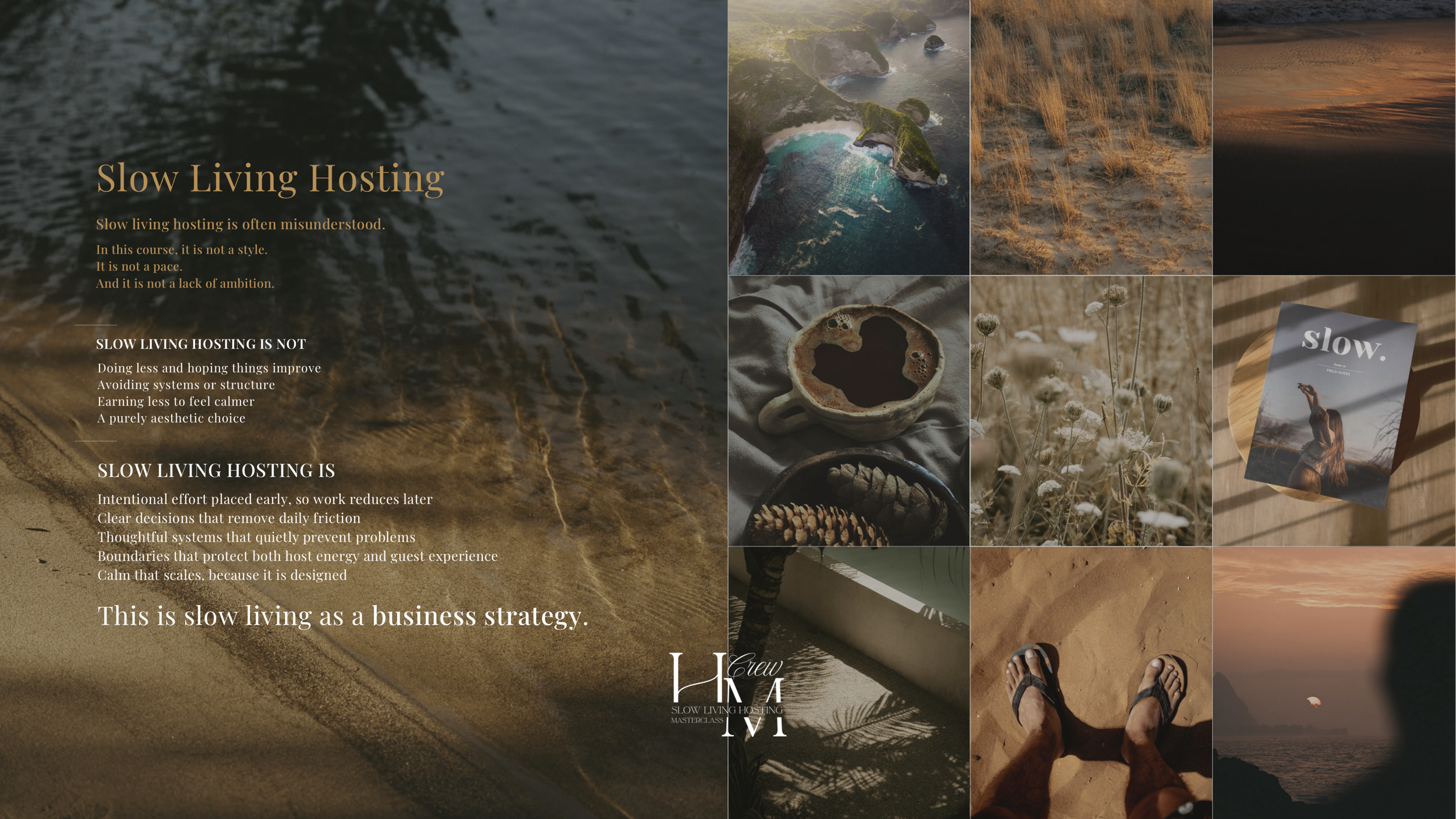
Its flagship product, The Slow Living Hosting Masterclass™, supports owners and hosts alike across:
• guest experience design
• OTA and booking decision-making
• business clarity and pricing confidence
• long-term, sustainable hostingAt its core, azulomo treats learning itself as an experience, not “just” content.
-
Through research, market immersion, and lived experience, I identified recurring problems:
• Hosts care deeply but feel overwhelmed
• Education is generic, tactical, or platform-centric
• Tools optimise for volume, not fit
• Advice ignores emotional and cognitive load
• Learning rarely translates into confident actionThe gap wasn’t information. It was experience design.
I reframed the challenge as:
How might I design a learning product that builds clarity, confidence, and momentum over time? -
Founder · Product Designer · Product Owner · Strategist
I owned the entire lifecycle:
• Product discovery and opportunity framing
• UX, interaction, and content architecture
• Learning journey and progression design
• Research, usability testing, and iteration
• Behavioural UX and CRO strategy
• Branding, positioning, and product marketing
• Platform setup, automation, and scale planningThis was a zero-to-one product, built, tested, and evolved in real conditions.
-
azulomo was designed as a self-serve, scalable product, supported by a carefully chosen ecosystem of tools and partners that reflect how boutique hospitality businesses actually operate.
Tooling & Platforms
Figma for experience mapping, flows, and UX structure
ChatGPT for product framing, UX copy, content structuring, and rapid iteration
Perplexity for market research, travel trends, and competitive insight
Behavioural signals + qualitative feedback loops to guide continuous optimisation
AI tooling was embedded into daily workflows to accelerate thinking and exploration, while keeping human judgment and design intent at the centre.
Delivery & Accessibility
Kajabi as the core platform, customised for modular learning, automation, scale
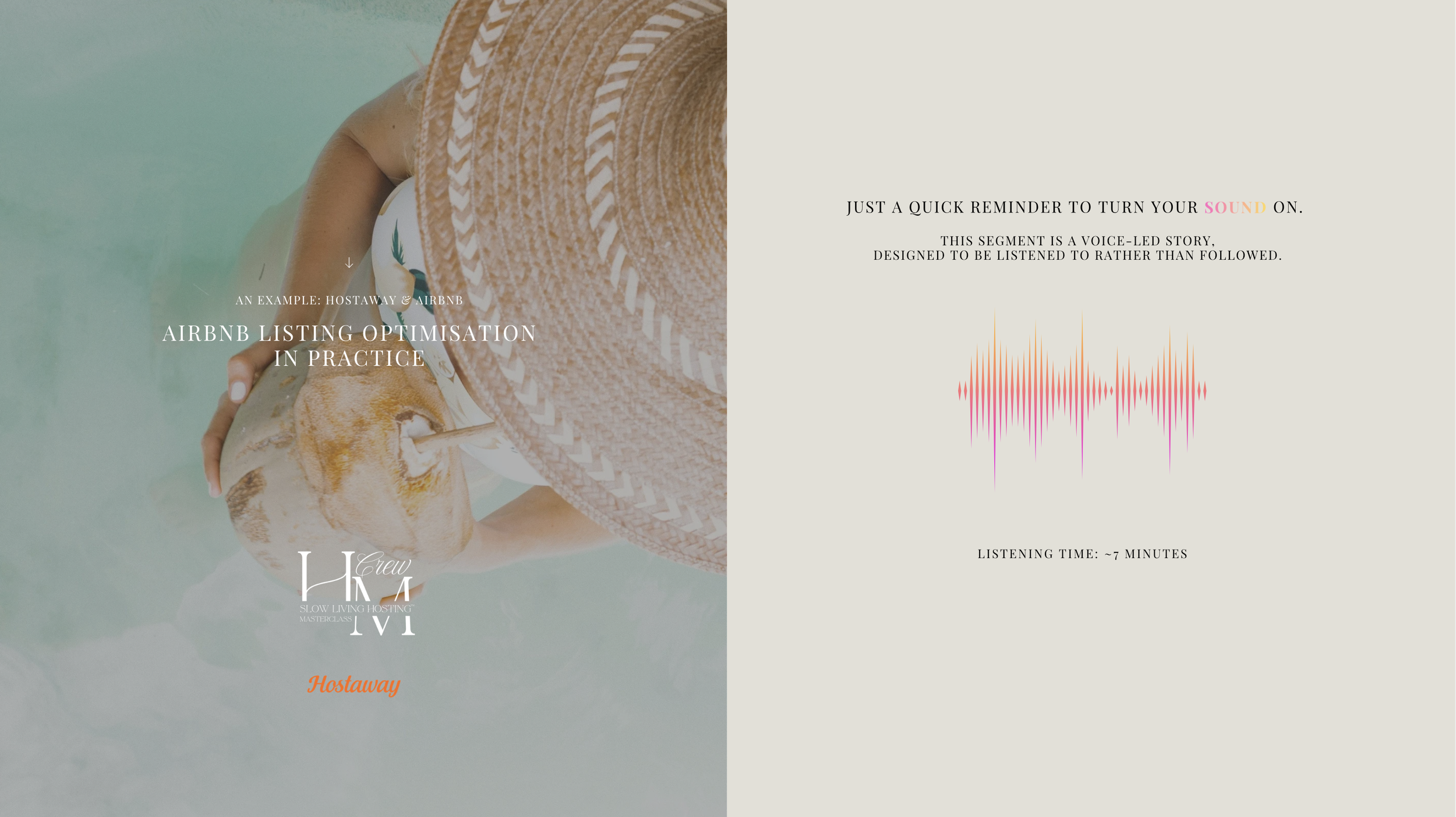
ElevenLabs for supporting auditory learning, accessibility, multilingual use
Hospitality & OTA Ecosystem
Hands-on experience across OTA platforms and host-facing tools
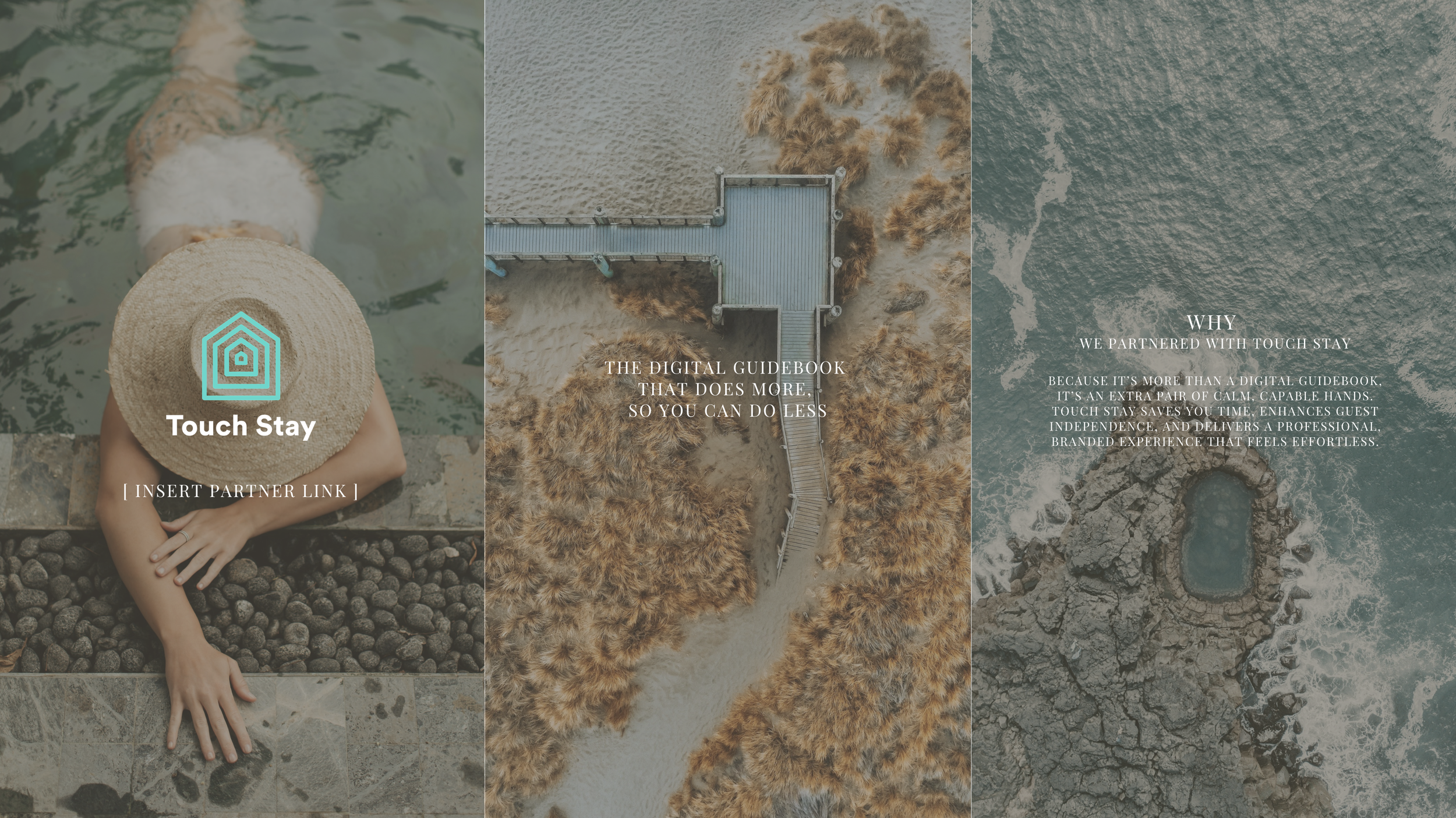
Partnerships with OTA-adjacent platforms such as TouchStay
Liaison with dynamic pricing and hospitality email communication providers to support real-world hosting workflows
This ecosystem-led approach ensured azulomo was shaped by real operational constraints and tooling trade-offs, not designed in isolation.
Learning as an Experience, Not “just“ Content
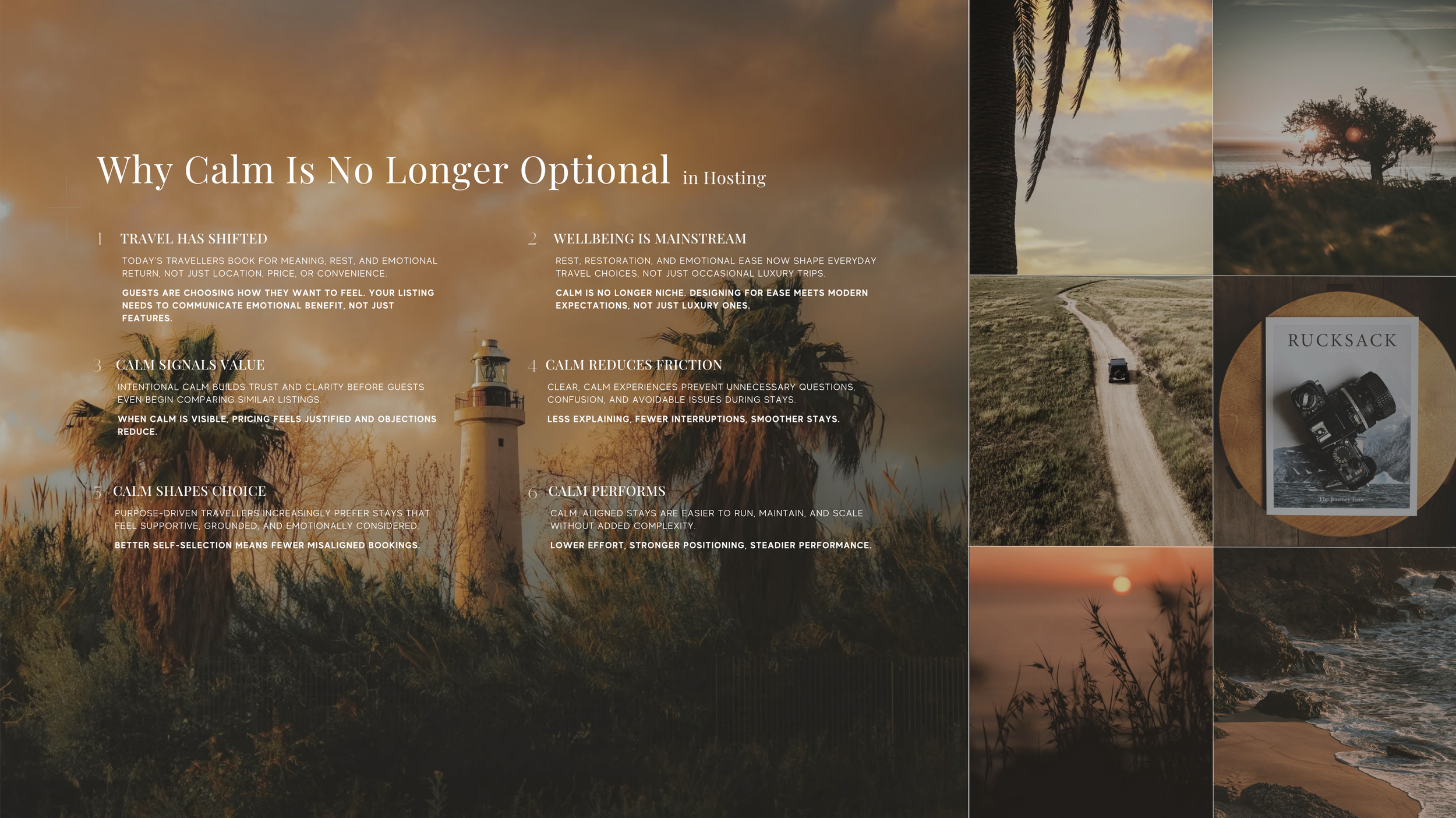
I don’t design content in isolation. I design experiences people move through.
Whether I’m working on a learning platform, a SaaS product, or a customer journey, I treat learning as a behavioural process, not a knowledge dump. Information only becomes useful when it’s delivered at the right moment, in the right shape, and with the right level of cognitive and emotional load.
That’s why I approach learning as a product experience:
with entry points and onboarding
with momentum and progression
with moments of reflection and application
and with clear outcomes, not just completion
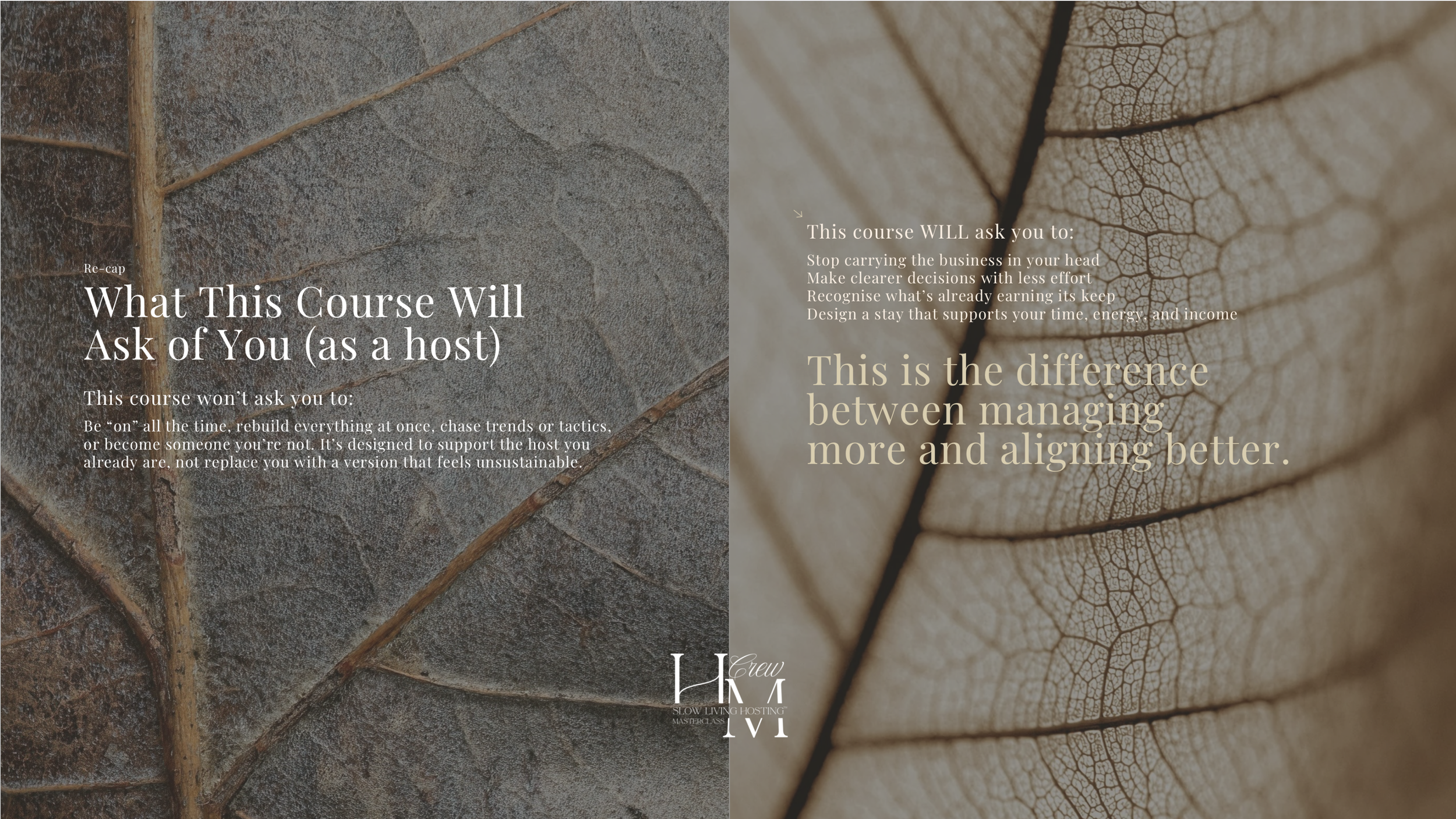
In azulomo, this meant designing learning that feels calm, structured, and motivating, even when the underlying topics are complex. Content was shaped around how people absorb information, make decisions, and build confidence over time, not around how much information could be delivered.
The result is learning that feels intentional, supportive, and practical, where progress feels earned and understanding translates into action.
-
From day one, I treated azulomo as a full product lifecycle challenge.
The question wasn’t what should I teach?
It was how should this feel to move through?azulomo was designed as a framework that works on multiple levels:
• Strategic ~ helping hosts make clearer business decisions
• Emotional ~ reducing overwhelm and building confidence
• Practical ~ translating insight into action
• Experiential ~ making learning calm, engaging, and memorableEvery decision was anchored in behavioural design.
-
• Modular, non-linear structure to respect different learning styles
• Short, focused segments to reduce cognitive fatigue
• Hands-on exercises embedded directly into the experience
• Strategic planning sessions woven throughout, not bolted on
• Clear progression markers to sustain momentumThis wasn’t passive consumption.
It was designed participation. -
Rather than superficial gamification, I focused on meaningful interaction.
• Progress felt earned, not forced
• Exercises anchored learning to real decisions
• Reflection moments reinforced understanding
• Completion was framed as integration, not an endpointCertification wasn’t positioned as a badge. It became a signal of readiness + confidence.
The product encourages momentum without pressure.
-
The experience was intentionally inclusive.
• Visual clarity with reduced noise
• Auditory learning through narrated content and guided exercises
• Flexible pacing and self-directed progression
• Accessibility-first structure and languageI integrated voice narration to support auditory learners, accessibility needs, and future multilingual expansion.
The experience is designed to feel calm, premium, and supportive, even while addressing complex topics.
-
azulomo evolved through constant testing.
I stress-tested the platform across:
• Different experience levels
• Different learning styles and time constraints
• Different content depths and emotional readiness -
• Qualitative user feedback
• Behavioural observation
• Drop-off and hesitation analysis
• Navigation, progression, and comprehension testingWhen users paused, skimmed, or disengaged, I treated it as signal.
Language changed.
Structure shifted.
Content was refined.Optimisation focused on better alignment, not louder engagement.
-
• Modular platform architecture designed for scale
• Content systems built for long-term expansion
• AI tooling embedded into ideation, UX copy, iteration, and narration
• Feedback loops informing continuous improvementThe product is designed to run independently, with minimal manual intervention.
-
I start by listening.
Patterns emerge through user conversations, behavioural signals, hesitation points, and moments of friction. That’s where direction becomes clear.
I design learning and product experiences by:
reducing cognitive load
structuring information clearly
guiding users toward confident decisions
and removing unnecessary noise at every step
My work balances evidence and instinct. Research, usability testing, and behavioural data provide grounding, while judgment and curiosity help turn insight into action. The goal isn’t to impress users, it’s to support them quietly and effectively.
When learning design works well, it fades into the background. Users don’t feel taught, they feel guided.
-
I don’t believe in overwhelming users with content or urgency.
Instead, I design for momentum without pressure:
progress that feels earned, not forced
exercises that anchor insight to real decisions
reflection moments that reinforce understanding
completion framed as integration, not an endpoint
Gamification, where used, is meaningful. It supports motivation and clarity, not distraction. The experience encourages users to move forward because it feels manageable and relevant, not because they’re being pushed.
This approach consistently leads to higher engagement, better comprehension, and stronger long-term outcomes.
-
Learning experiences should meet people where they are.
I design with inclusivity in mind from the start, considering:
visual clarity and reduced noise
auditory learning and guided narration
flexible pacing and self-directed progress
language that supports understanding rather than performance
In azulomo, this meant incorporating narrated content, multi-sensory learning options, and calm interface design to support different learning styles and accessibility needs.
Accessibility isn’t an add-on. It’s part of good product design.
-
I treat learning products as living systems. I continuously test how people move through experiences:
where they pause
where they skim
where they disengage
where things feel unclear or heavy
When friction appears, I adjust. Language changes. Structure shifts. Content is refined.
Optimisation, for me, isn’t about driving more engagement at any cost. It’s about better alignment between user intent, mental load, and product flow. Learning improves through iteration, not assumption.
-
This approach reflects how I design products more broadly:
I think in systems, not screens
I design for behaviour, not vanity metrics
I care about clarity, confidence, and long-term use
I’m comfortable owning complexity end-to-end
I balance UX, strategy, and commercial outcomes naturally
Learning as an experience isn’t a niche interest for me. It’s a lens I apply to any product where understanding, trust, and progression matter.
Designing Learning as a Product Experience
-
![Designing for Confidence, Not Overwhelm]()
Designing for Confidence, Not Overwhelm
Designed to reduce cognitive load and uncertainty, helping users move forward with clarity and confidence rather than pressure.
-
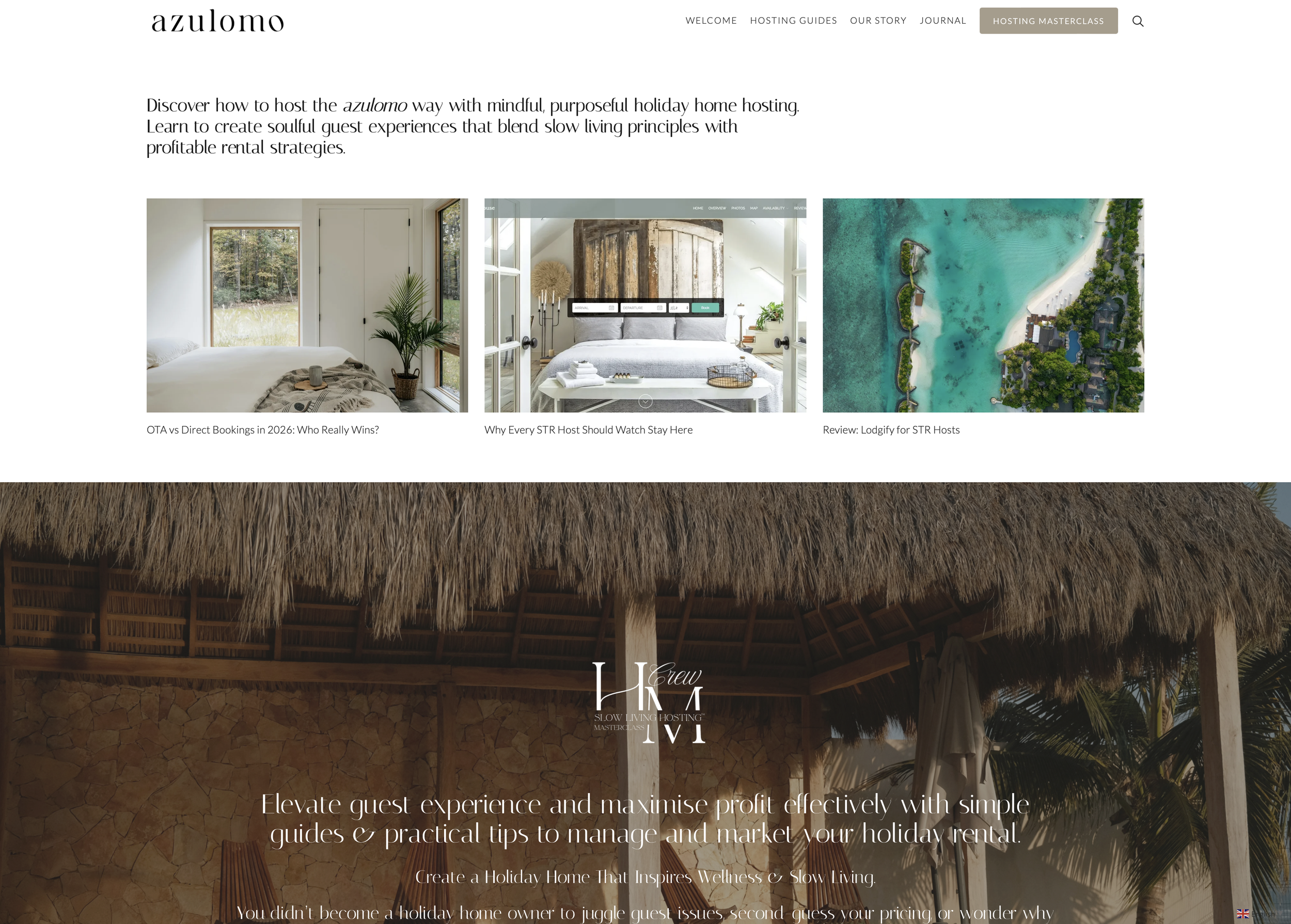
![End-to-End UX & Content Strategy]()
End-to-End UX & Content Strategy
Designed and built the azulomo website end-to-end, leading UX and conversion-driven content strategy to create a calm, high-trust learning platform.
-
![From Insight to Structure]()
From Insight to Structure
User research and behavioural insight were translated into clear product structures that guide understanding and decision-making.
-
![Learning as a Scalable Product]()
Learning as a Scalable Product
The platform was designed to operate independently at scale, supporting new content, users, and use cases without adding complexity or friction.
-
![Designing for Real-World Constraints]()
Designing for Real-World Constraints
Designed for real operational and emotional constraints, so solutions worked in practice, not just in theory, at scale.
-
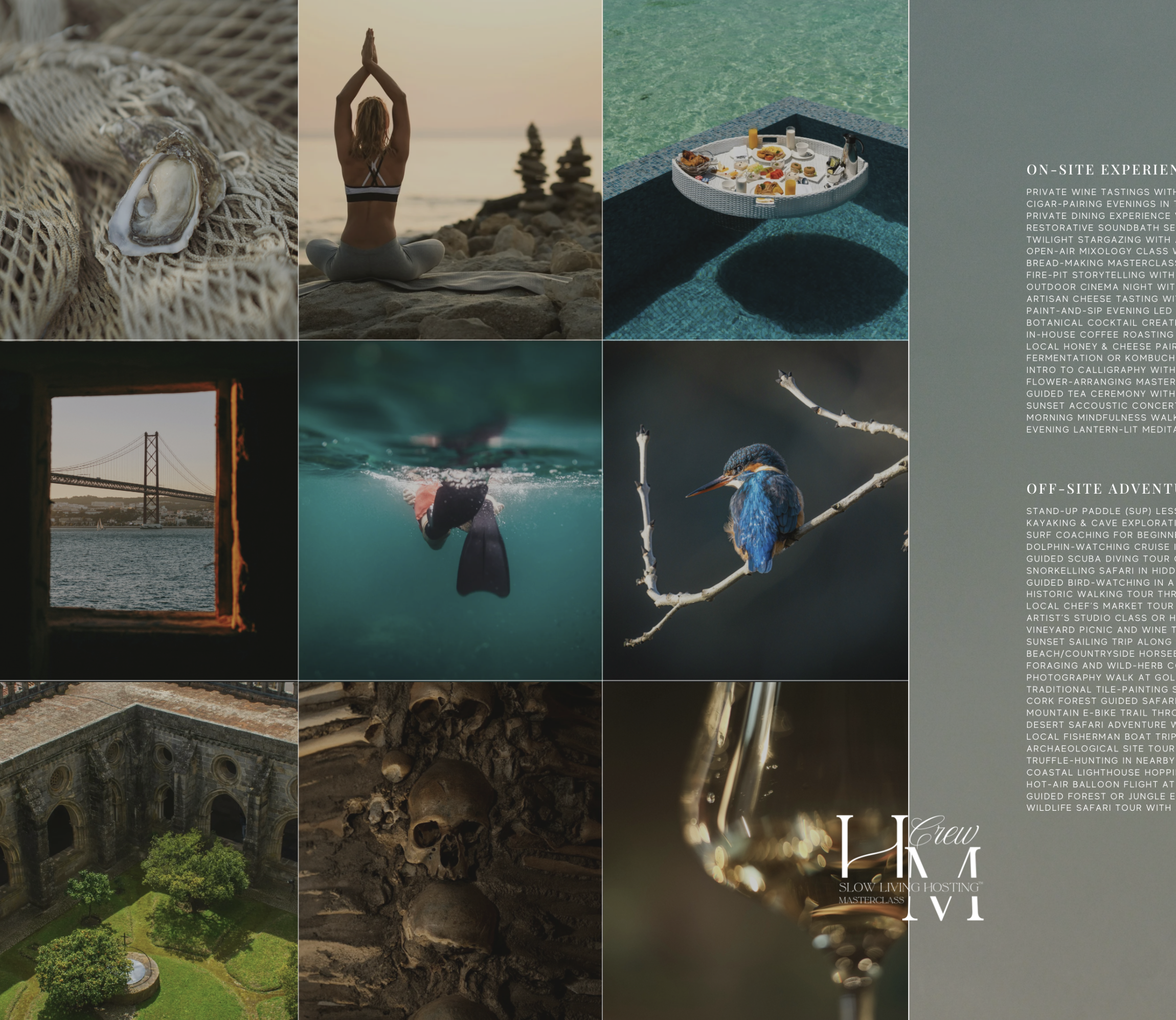
![Multi-Sensory Learning Design]()
Multi-Sensory Learning Design
Visual, auditory, and interactive elements were intentionally combined to support different learning preferences and accessibility needs, without fragmenting the experience.
-
![Exercises Anchored to Real Decisions]()
Exercises Anchored to Real Decisions
Hands-on exercises were designed to connect learning directly to real-world decisions, turning insight into action rather than abstract understanding.
-
![Guest and Audience Research]()
Guest and Audience Research
In-depth interviews and behavioural research revealed how users think, hesitate, and decide, allowing the product to be designed around real mental models rather than assumptions.
-
![Designing for Different Learning Styles]()
Designing for Different Learning Styles
The experience supports flexible pacing, non-linear navigation, and multiple modes of engagement, allowing users to learn in ways that suit them best.
-
![Stress-Testing the Learning Experience]()
Stress-Testing the Learning Experience
Onboarding, progression, and completion flows were repeatedly tested across experience levels and time constraints to ensure the product remained clear under real usage conditions.
-
![Partnering as Part of the Experience]()
Partnering as Part of the Experience
Partnership and collaboration were built into the product journey, ensuring insights were grounded in real-world practice and shaped through ongoing dialogue rather than assumption.
-
![Balancing Emotion, Clarity, and Scale]()
Balancing Emotion, Clarity, and Scale
The product balances emotional intelligence with structural clarity, ensuring the experience feels human while remaining scalable and operationally sound.
-
![Visual and Auditory Learning Layers]()
Visual and Auditory Learning Layers
Narrated content and guided audio were layered onto a visually calm interface to enhance comprehension and accessibility without overwhelming attention.
-
![Usability Testing and Iteration]()
Usability Testing and Iteration
Continuous usability testing informed iterative refinements to language, structure, and flow, ensuring improvements were grounded in real behaviour, not assumptions.
-
![Designing Momentum Without Pressure]()
Designing Momentum Without Pressure
Progression was designed to feel earned and self-directed, encouraging movement through the experience without urgency or artificial incentives.
-
![Progression, Momentum, and Completion]()
Progression, Momentum, and Completion
Clear progression cues help users understand where they are, what’s next, and when they’ve completed a meaningful phase, supporting sustained engagement.
-
![Brand, Design, and Storytelling]()
Brand, Design, and Storytelling
Brand and messaging evolved with the product, using storytelling to build trust and clarify value from first impression to long-term use.
-
![Reflection as Part of the Experience]()
Reflection as Part of the Experience
Reflection moments were built into the flow to reinforce learning, support integration, and help users connect insights to their own context.
-
![Storytelling as a Learning Tool]()
Storytelling as a Learning Tool
Storytelling runs throughout the masterclass to make learning practical, human, and memorable, grounding ideas in real scenarios people recognise and can confidently apply.
What I Learned, the Challenges I Met, and My Biggest Takeaway
Building azulomo reinforced that clarity is an active product decision, not a by-product of adding features. Designing learning as a product required owning prioritisation, simplifying complex ideas, and shaping calm, progressive journeys that support understanding rather than volume.
One of the key challenges was balancing emotional depth with practical, commercial outcomes. Boutique hosts are deeply invested in experience and identity, but they also need clear, actionable guidance that supports sustainable revenue. Bridging that gap meant making informed trade-offs, continuously testing assumptions, and iterating based on real behaviour rather than intention.
My biggest takeaway is that strong product design leadership sits at the intersection of empathy, structure, and outcome. When learning is treated as a carefully designed experience, it becomes a powerful driver of confidence, trust, and long-term value for both users and the business.
If This Resonates…
If this project reflects how you think about product design, learning, and human-centred experiences, I’d love to work together.
I enjoy partnering with teams who care about clarity, craft, and outcomes, and who value thoughtful design as a strategic product function. If you’re building something complex, evolving a product, or looking to design experiences that genuinely support people, let’s start a conversation.