

CRO in B2B SaaS
Enterprise CRO & Growth Product Design
Practical Examples
Enterprise CRO That Drives Revenue
I design and optimise full-funnel experiences that increase conversion, activation, and revenue, not just clicks.
Senior Product Designer specialising in:
Conversion Rate Optimisation (CRO)
Growth Product Design
Behavioural UX & decision architecture
Enterprise SaaS and high-trust platforms
I’ve built and led CRO as a product discipline, turning behavioural insight into measurable business impact across acquisition, onboarding, and retention. CRO is not a tactic. It’s a system for turning user intent into revenue.
Explore selected experiments and case studies below.
-
Conversion Rate Optimisation (CRO) is the process of analysing user behaviour, identifying friction points, and running structured experiments to improve how users move through key journeys such as trial sign-up, onboarding, activation, and purchase.
The biggest CRO opportunities are usually found in high-intent parts of the funnel such as landing pages, trial sign-up flows, onboarding, product discovery, pricing pages, and upgrade pathways.
-
CRO uncovers and removes the friction that quietly kills growth: low trial activation, unclear value propositions, onboarding drop-offs, confusing navigation, weak demo engagement, and checkout or form friction. The result is clearer journeys, stronger user confidence, higher activation, and measurable conversion uplift.
-
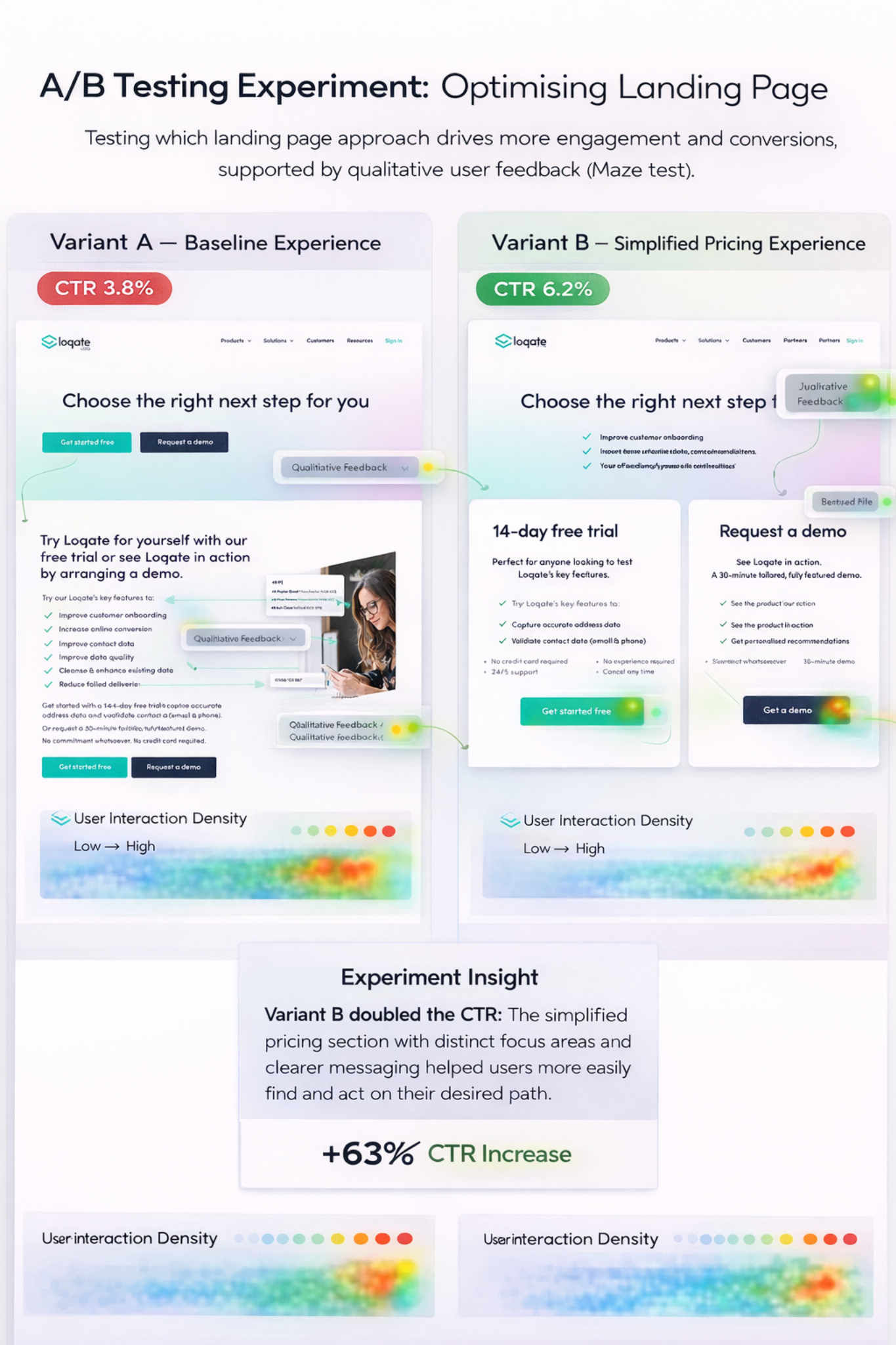
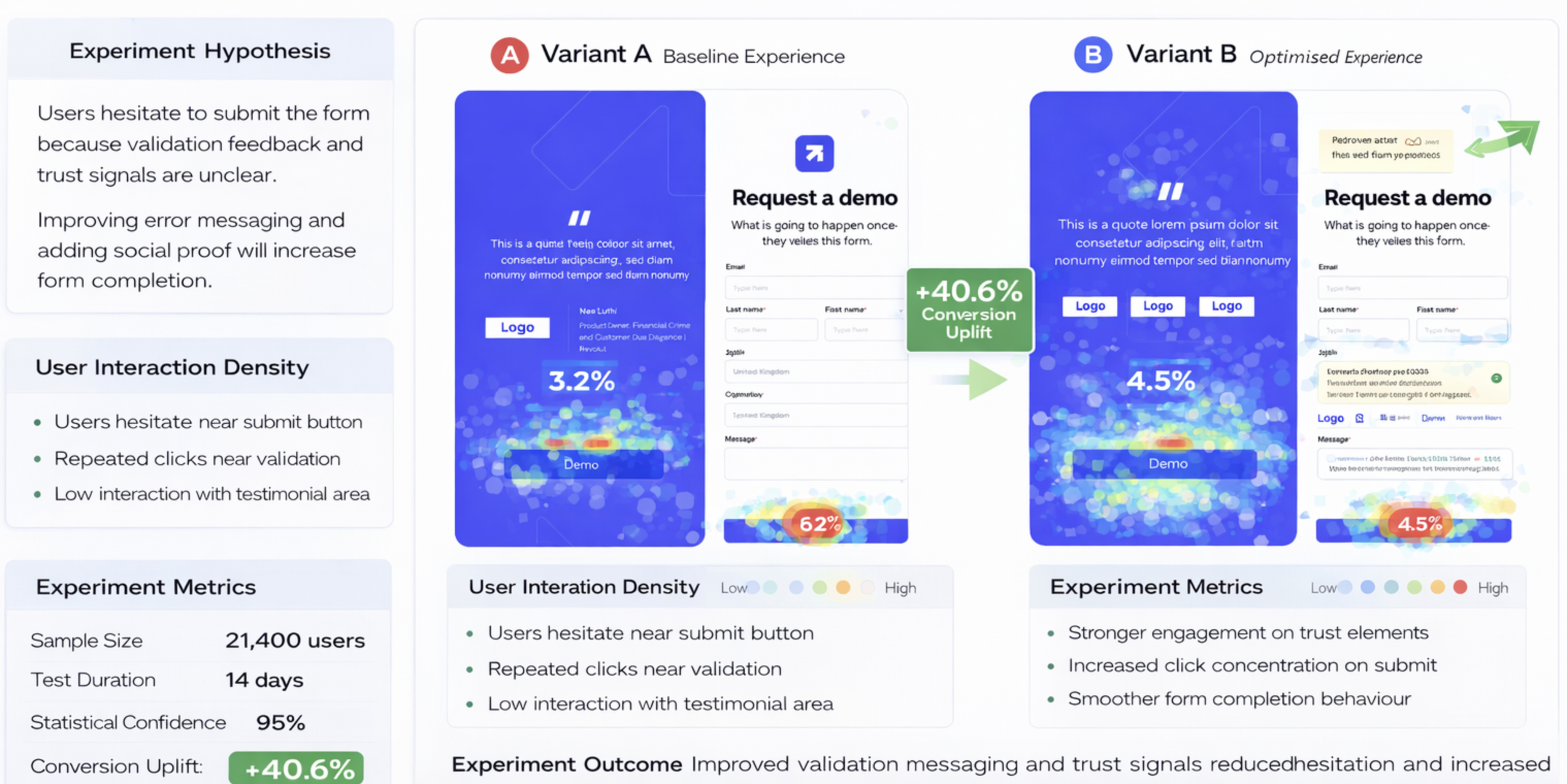
A successful experiment starts with a clear hypothesis, focuses on a meaningful user problem, and measures impact against defined conversion metrics such as activation rate, demo engagement, or trial-to-paid conversion.
Across my work, my approach has delivered:
Increased trial starts and qualified conversion
Improved activation and onboarding performance
Reduced friction across complex SaaS journeys
Stronger engagement, retention, and renewal
More importantly, it has helped teams move from isolated improvements to scalable growth systems.
-
I start where the impact is greatest: the moments where friction quietly blocks activation, revenue, or user confidence. Behavioural evidence from analytics, heatmaps, and user insight then guides experimentation toward the changes most likely to unlock meaningful conversion growth.
-
Common tools include analytics platforms, heatmaps, session recordings, usability testing tools, and experimentation platforms. These help identify behavioural patterns and validate hypotheses through structured testing.
-
A high-performing CRO strategy connects behavioural insight, usability validation, analytics and personalisation into one optimisation loop.
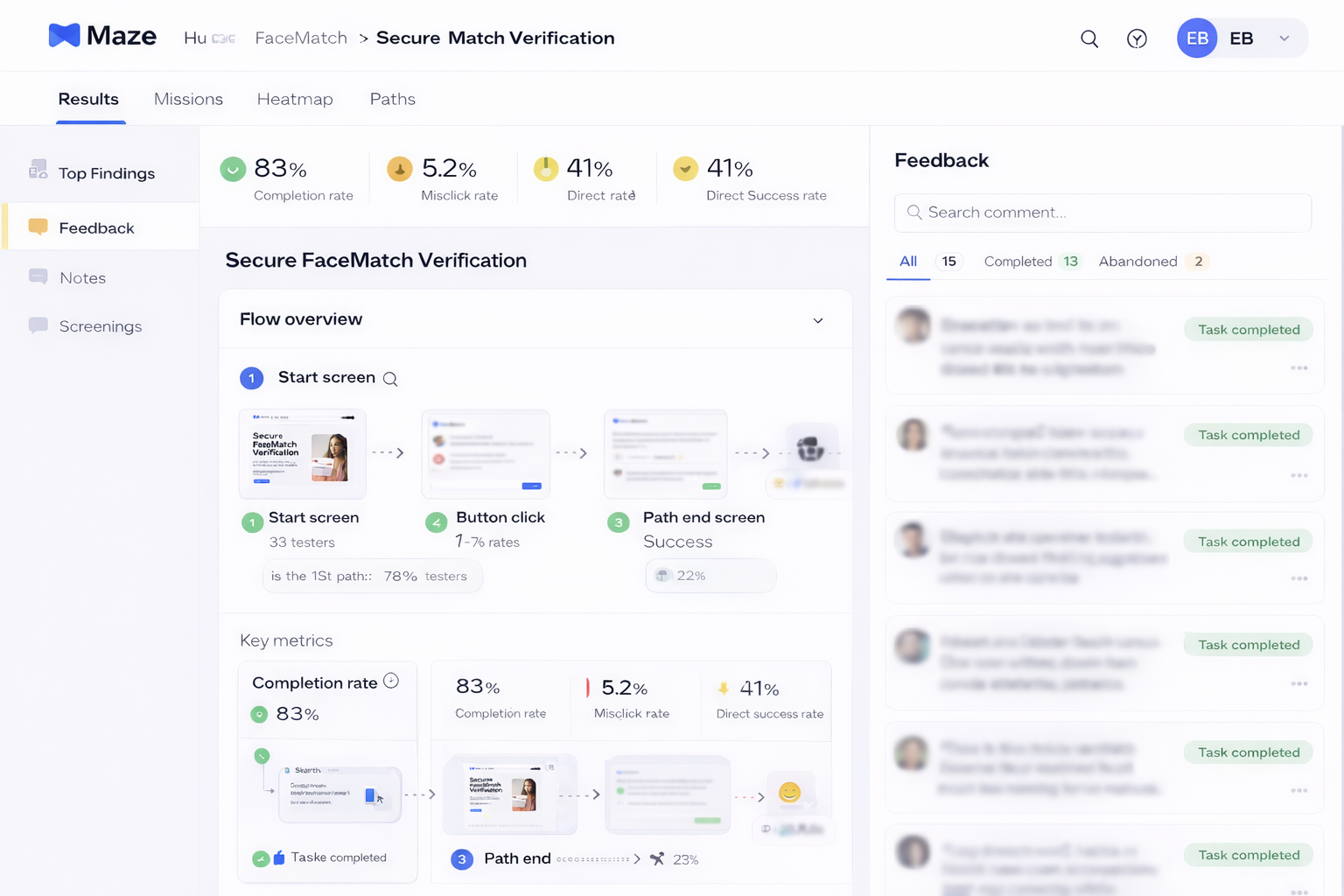
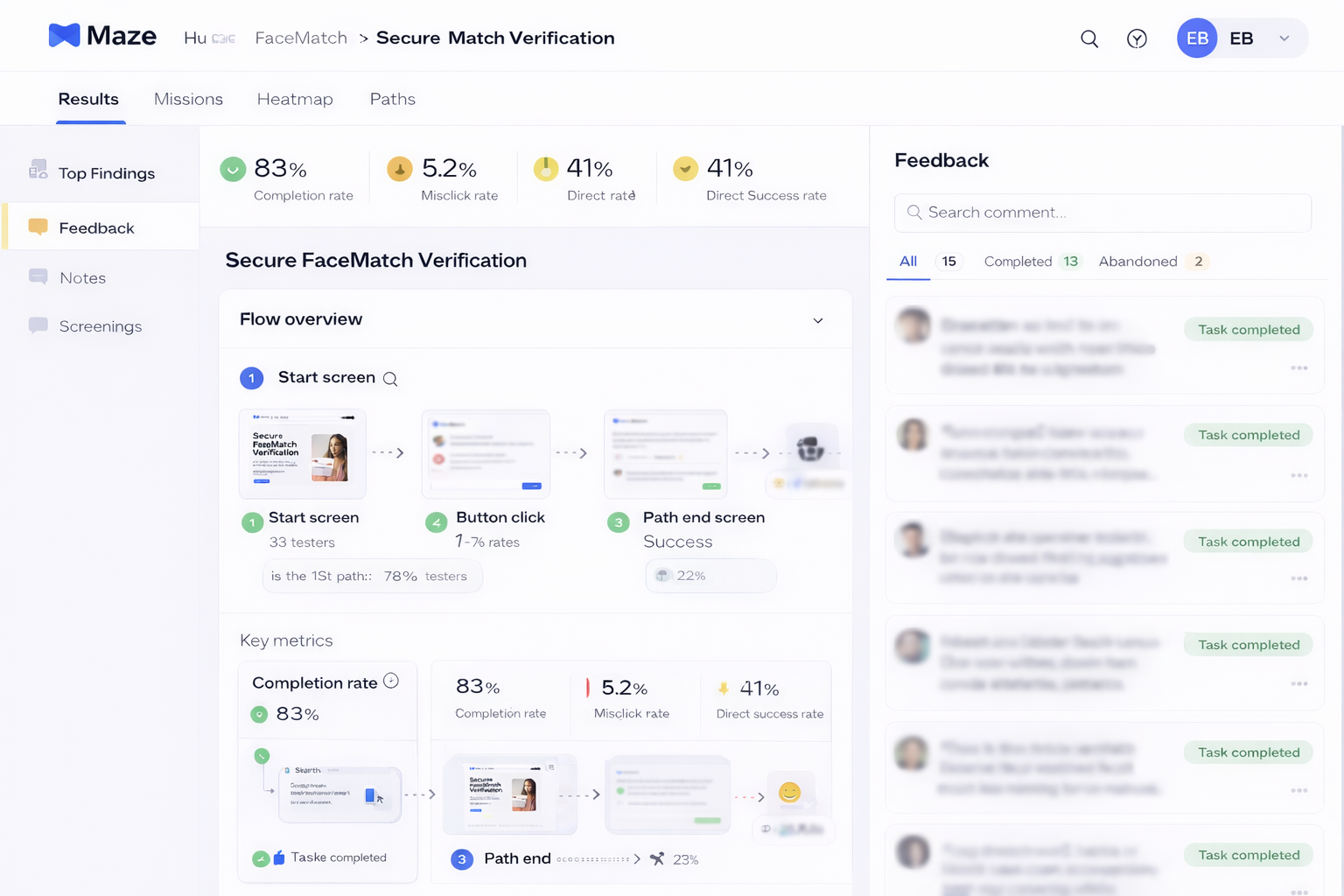
Maze validates usability before launch, testing whether users can complete key tasks and where friction appears in prototypes and onboarding flows.
Hotjar visualises live user behaviour through heatmaps and recordings, revealing scroll depth, click intent and form abandonment.
Clarity provides session replays and interaction insights at scale, helping identify rage clicks, dead clicks, and friction patterns across key journeys.
Mixpanel provides deep behavioural and event-based product analytics, enabling detailed funnel analysis, retention tracking, and user segmentation to uncover where and why users convert or drop off.
Google Analytics quantifies performance, tracking funnels, drop-offs and revenue impact to prioritise high-value experiments.
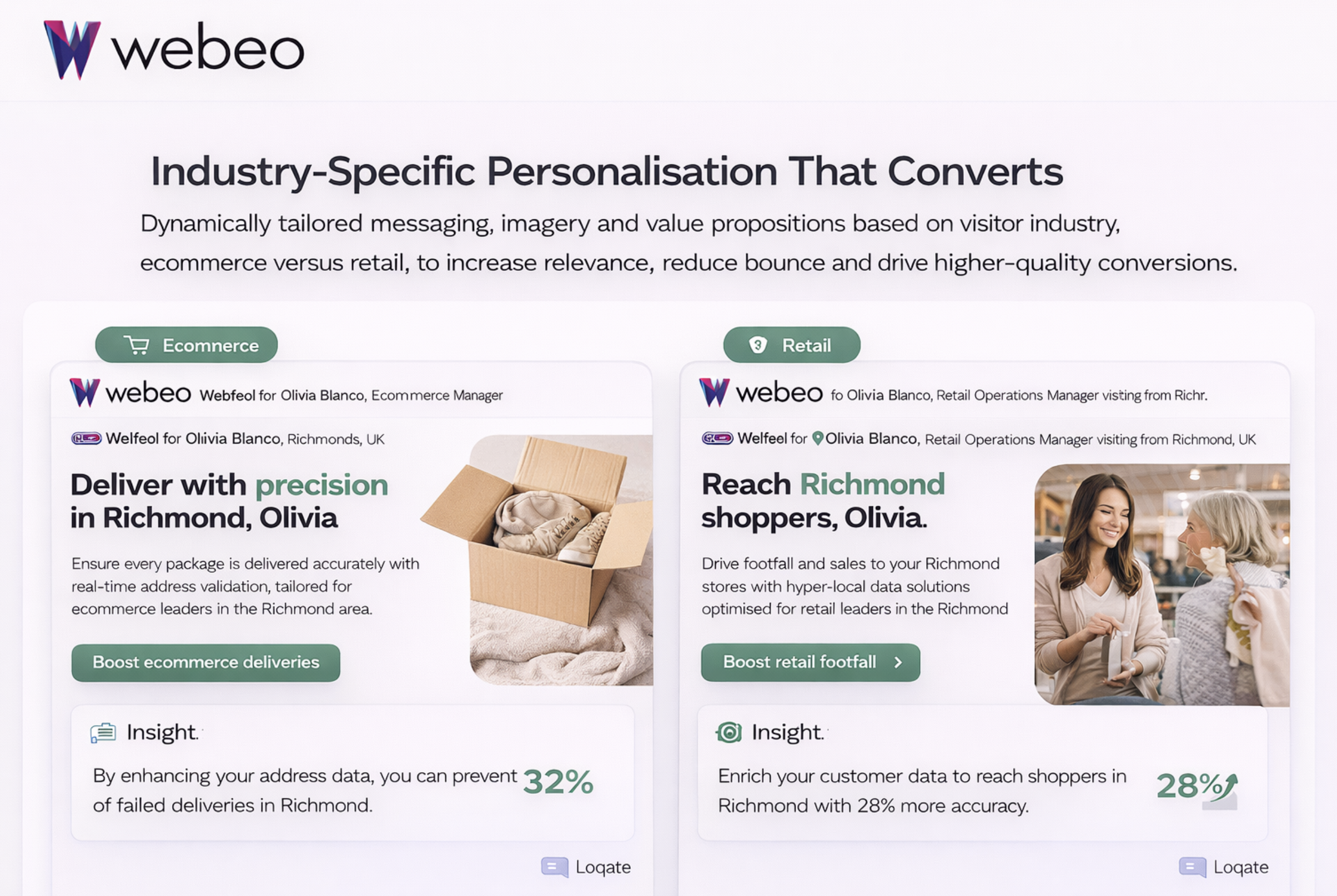
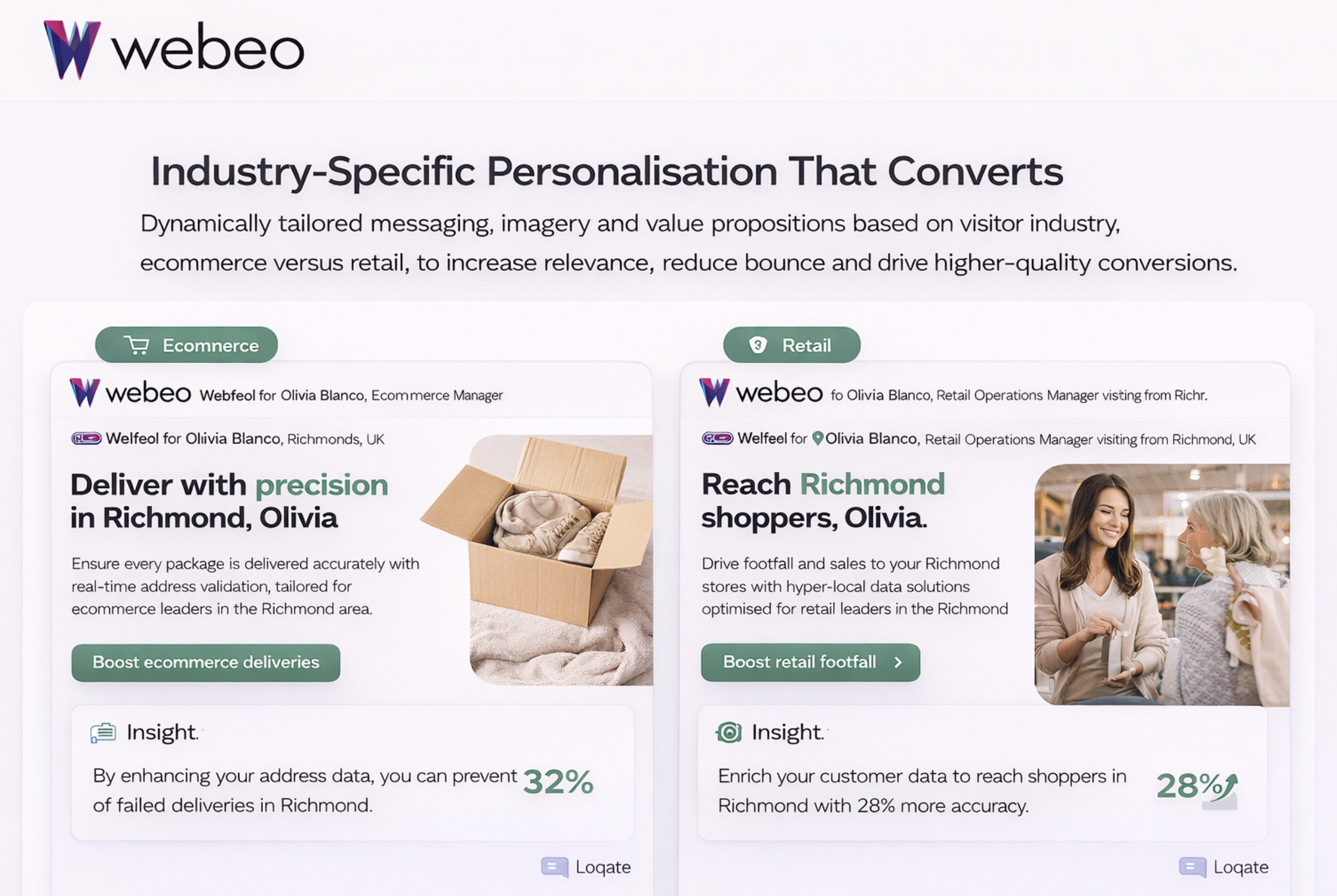
Webeo increases relevance by dynamically tailoring messaging by industry or account type, improving engagement and conversion quality.
Wynter validates positioning and headline clarity with real target audiences before scaling traffic.
There are many powerful platforms on the market such as Optimizely, VWO, FullStory, and Contentsquare. I have tested a wide range of tools over time and consistently achieve the strongest results with my proven stack; I remain open and curious to explore new technologies that can further sharpen experimentation, behavioural insight and measurable performance impact.
-
![Product Page Optimisation That Turns Evaluation into Action]()
Product Page Optimisation That Turns Evaluation into Action
Product page optimisation is about transforming overwhelming feature lists into clear, benefit-led decision points that reduce cognitive load and move enterprise buyers confidently toward action.
-
![Optimising the Product Demo to Convert Intent into Pipeline]()
Optimising the Product Demo to Convert Intent into Pipeline
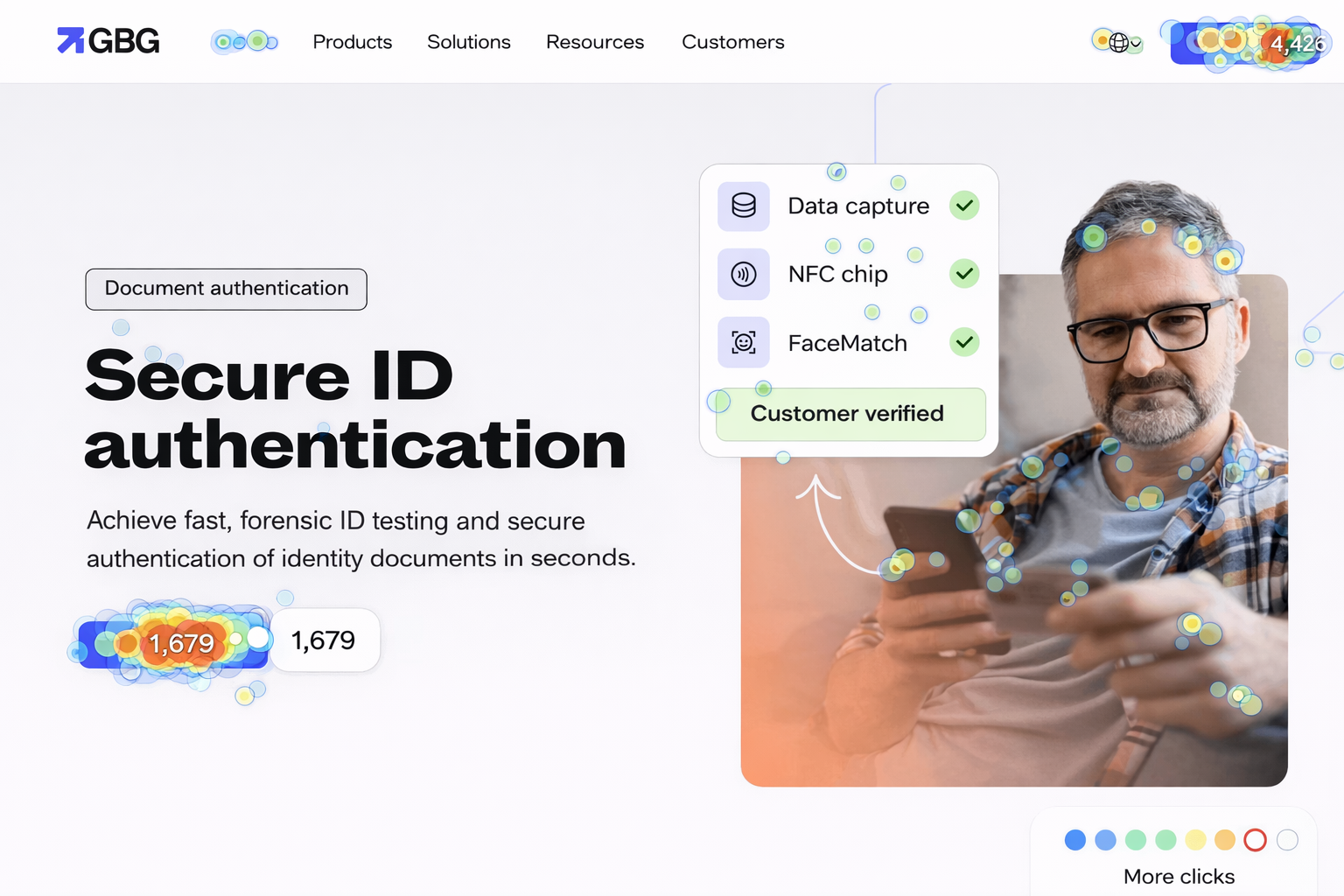
In SaaS, a product demo should accelerate conviction, reduce risk perception, and move qualified prospects from interest to pipeline-ready intent through clarity, proof, and guided product exploration.
-
![A/B Tested Trust Signals for Conversion Lift]()
A/B Tested Trust Signals for Conversion Lift
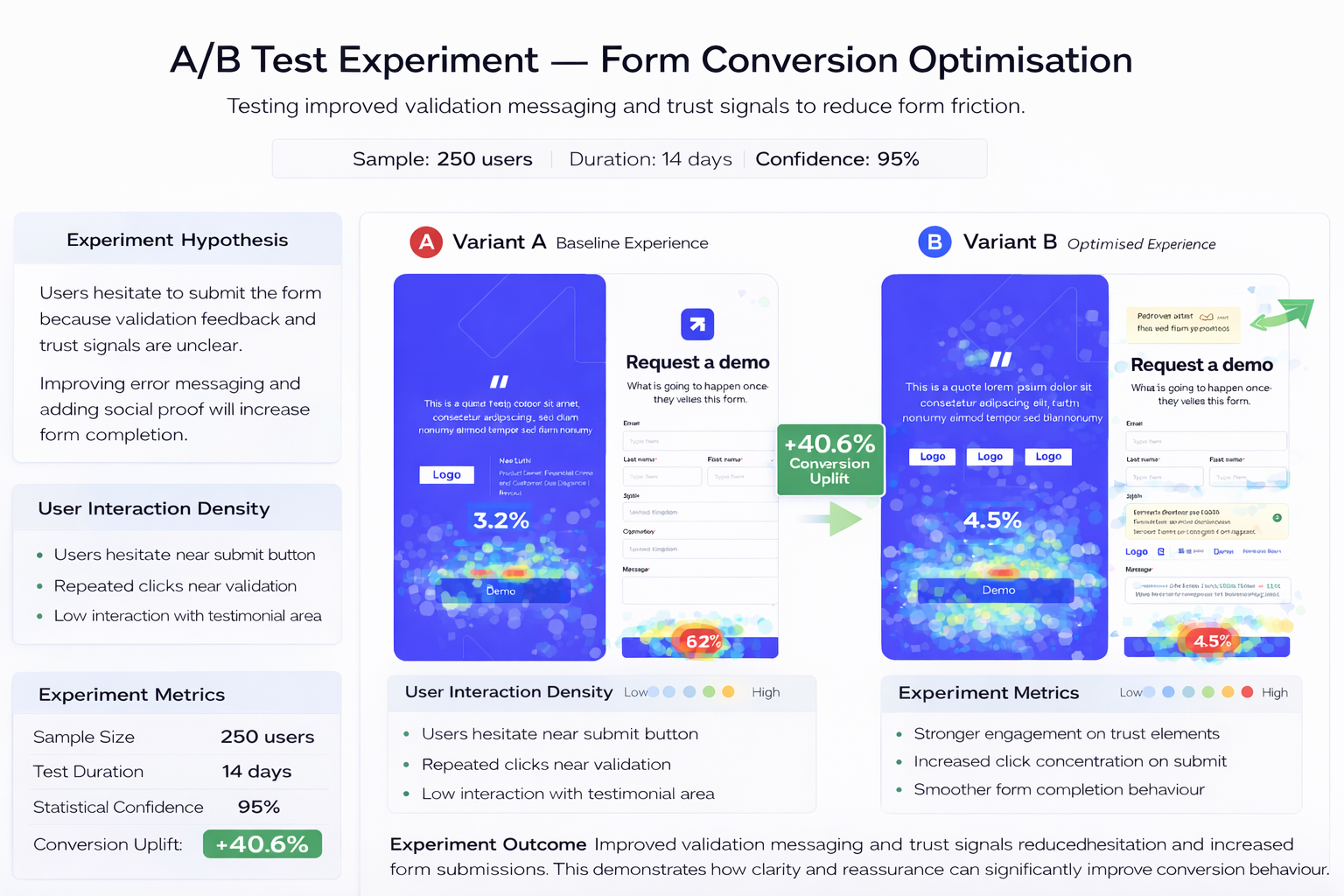
Tested variations of trust badges, social proof and reassurance messaging to identify which signals most effectively reduced hesitation and increased conversion rates across key SaaS entry points.
-
![CRO Experiments Driven by Clear Hypotheses]()
CRO Experiments Driven by Clear Hypotheses
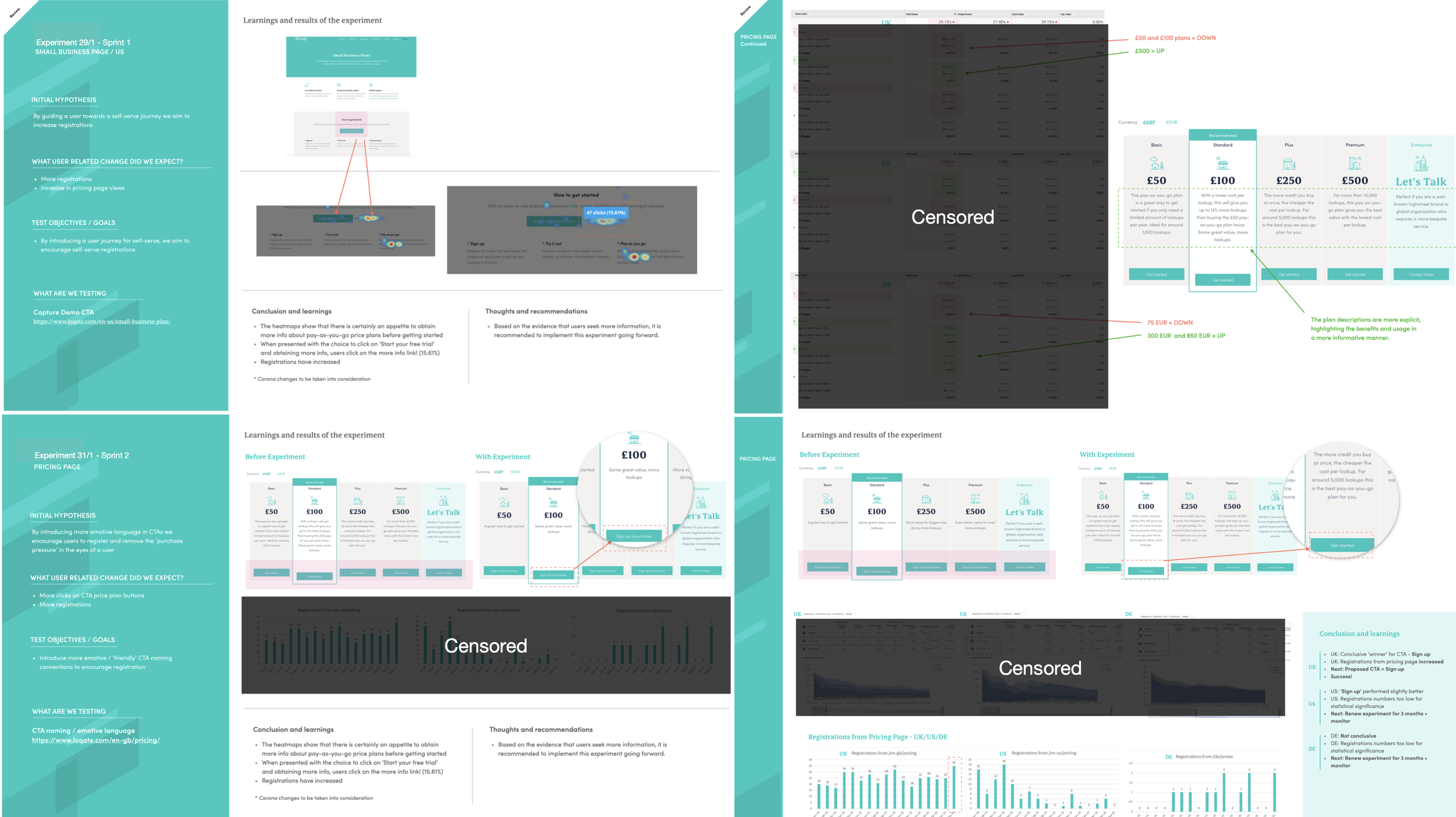
Defined evidence-led hypotheses, executed CRO experiments on high-impact variations, and validated measurable conversion uplift across critical SaaS growth touchpoints through structured testing.
-
![Trial-to-Aha-Moment Optimisation]()
Trial-to-Aha-Moment Optimisation
Redesigned onboarding and activation pathways to reduce time-to-value, guide users to their first meaningful outcome and increase trial-to-paid conversion rates through clearer guidance and reduced onboarding friction.
-
![Demo Funnel Optimisation]()
Demo Funnel Optimisation
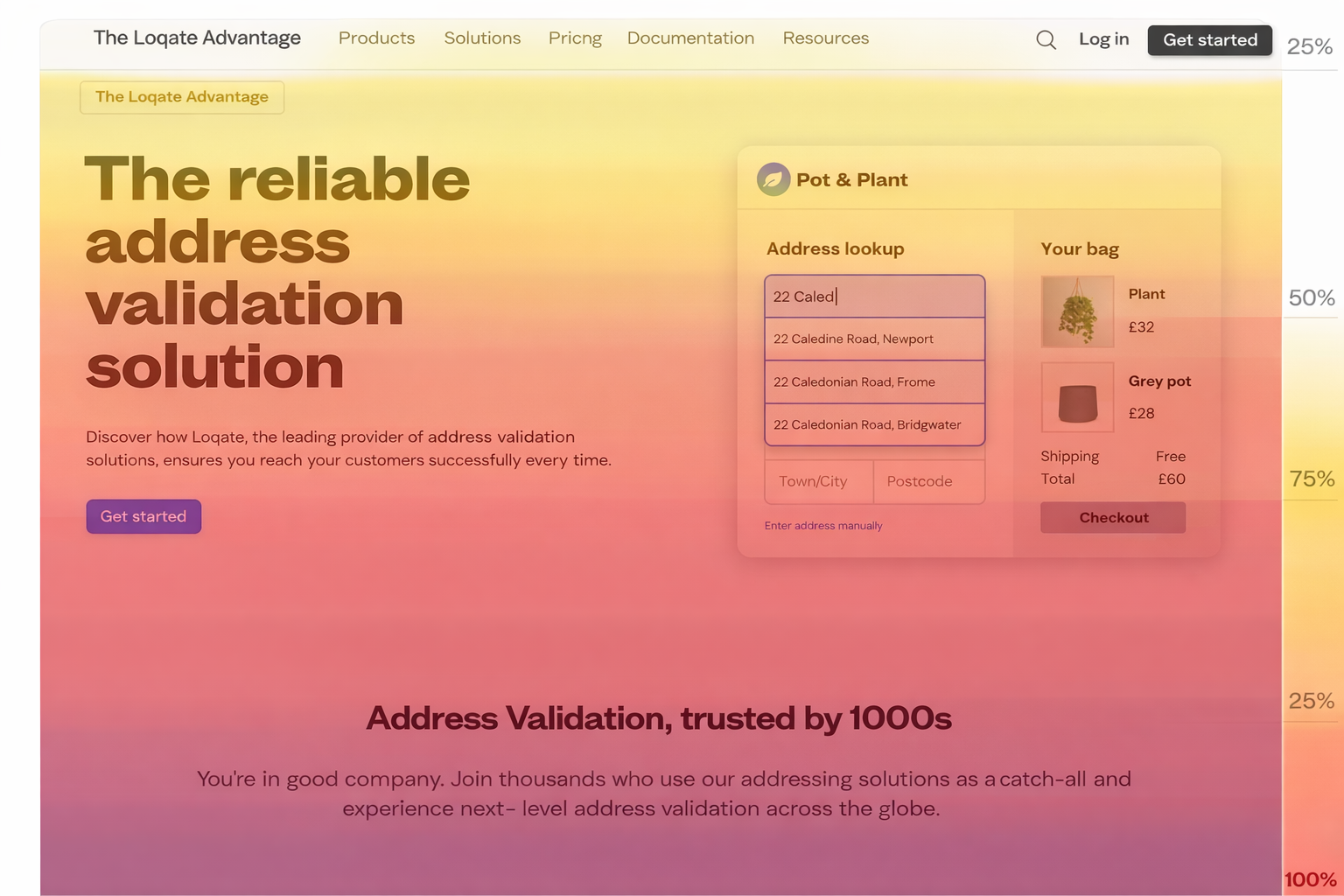
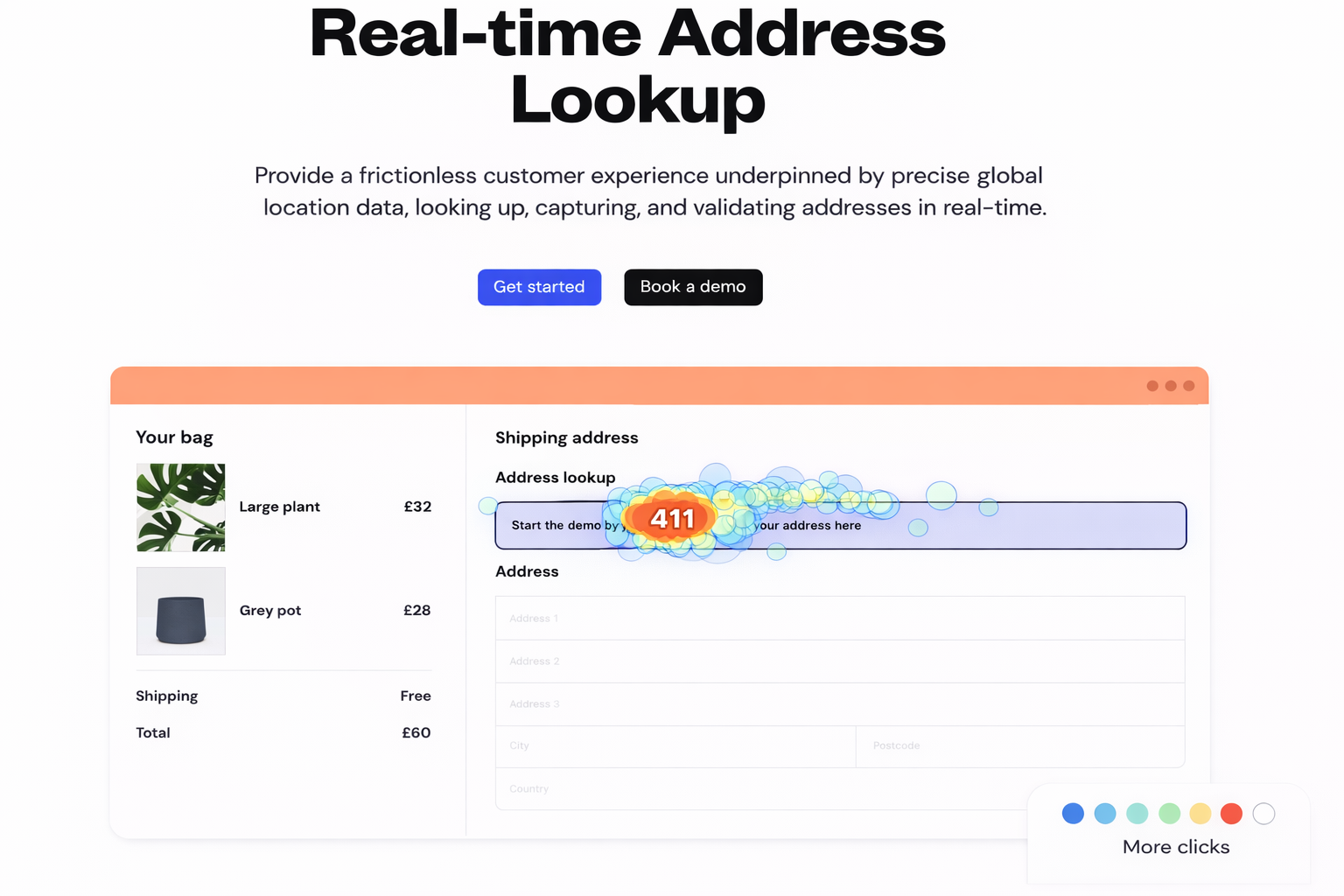
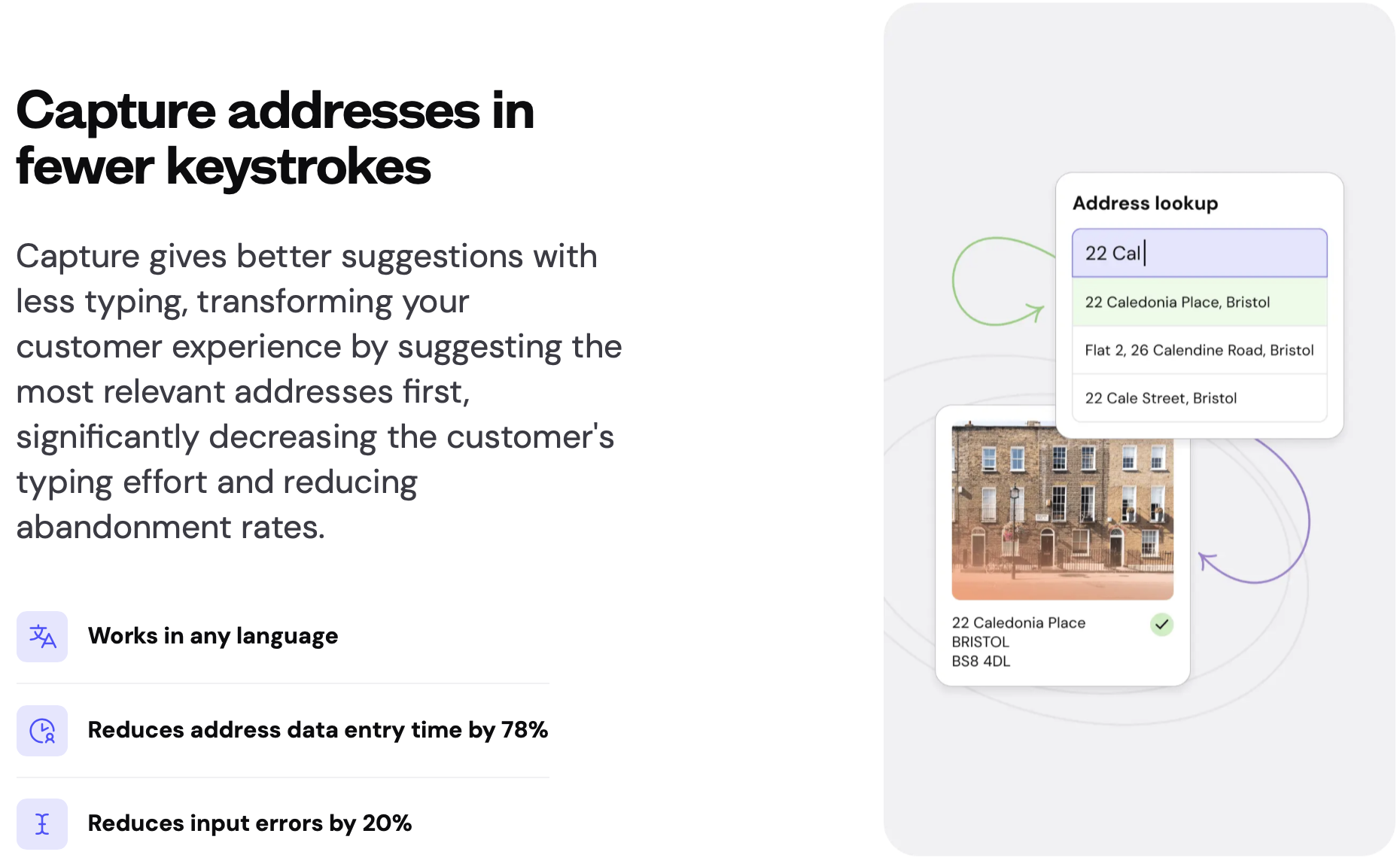
Optimised the interactive demo flow to drive engagement at the address lookup entry point, reduce friction and increase progression from product exploration to qualified conversion and demo activation.
-
![Navigation CRO: Reducing Cognitive Load]()
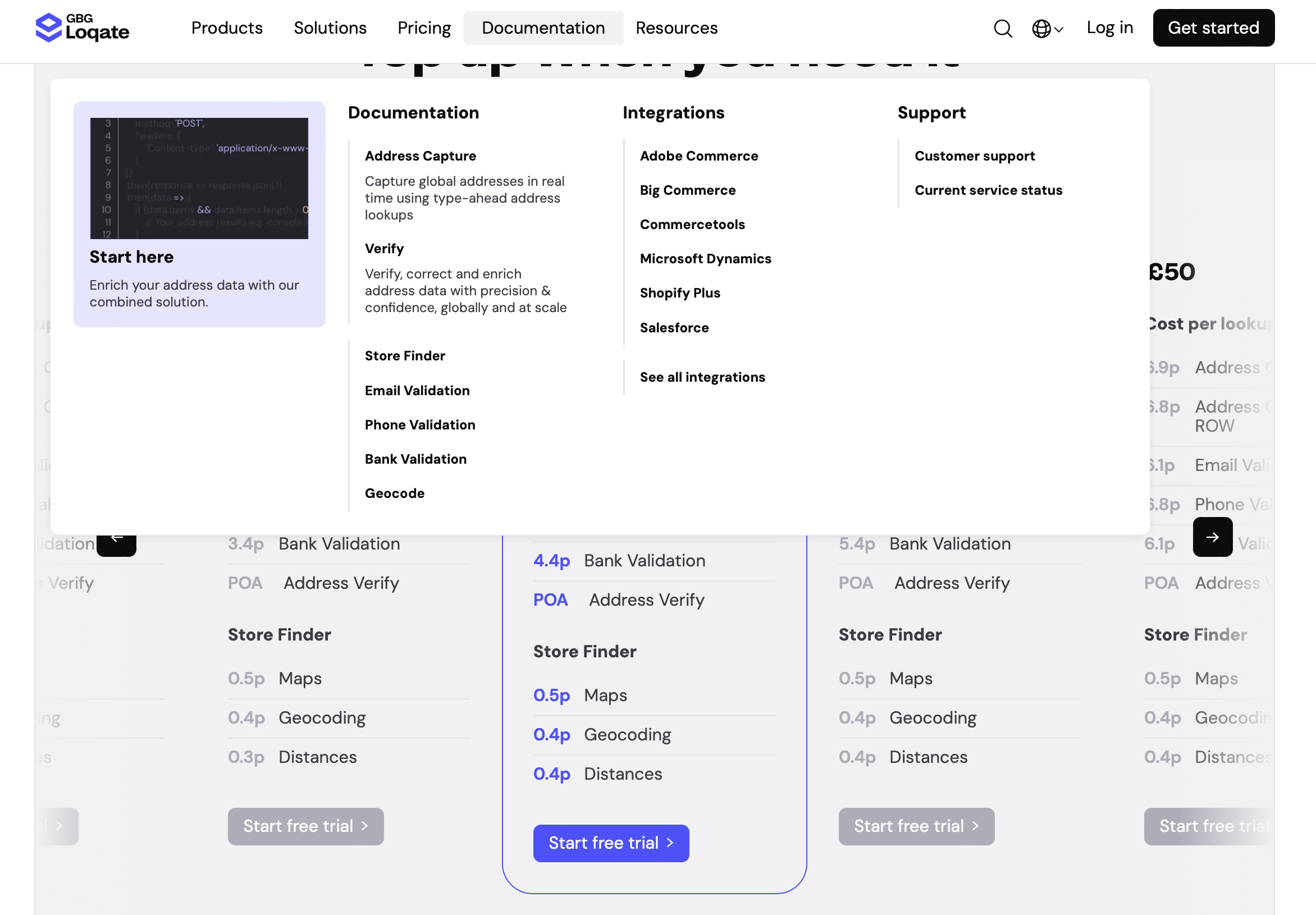
Navigation CRO: Reducing Cognitive Load
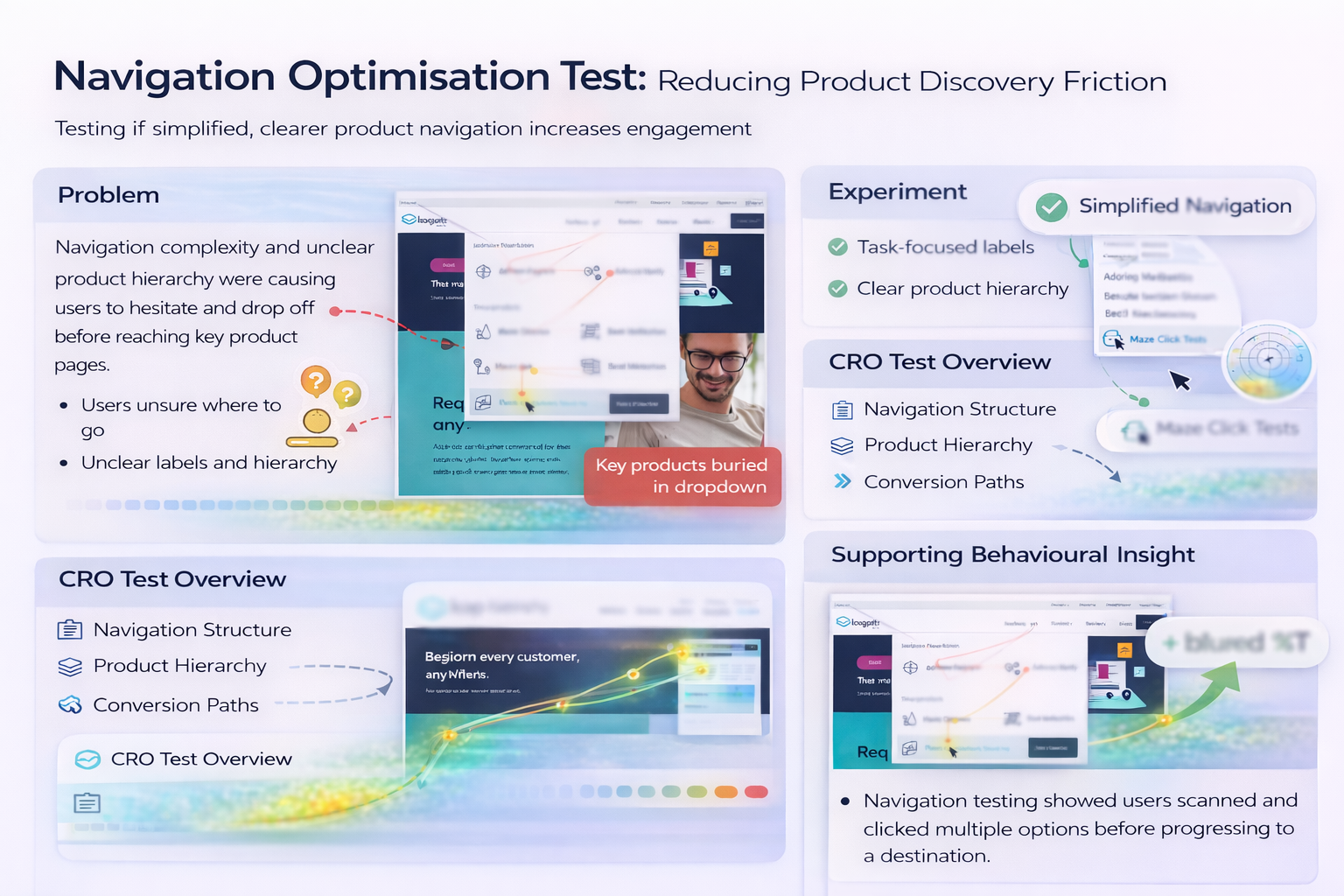
A CRO experiment testing clearer navigation hierarchy, simplified labels, and improved product grouping to reduce cognitive load and help users discover products and navigate to the right solution faster.
-
![Best Practice UX Optimisation]()
Best Practice UX Optimisation
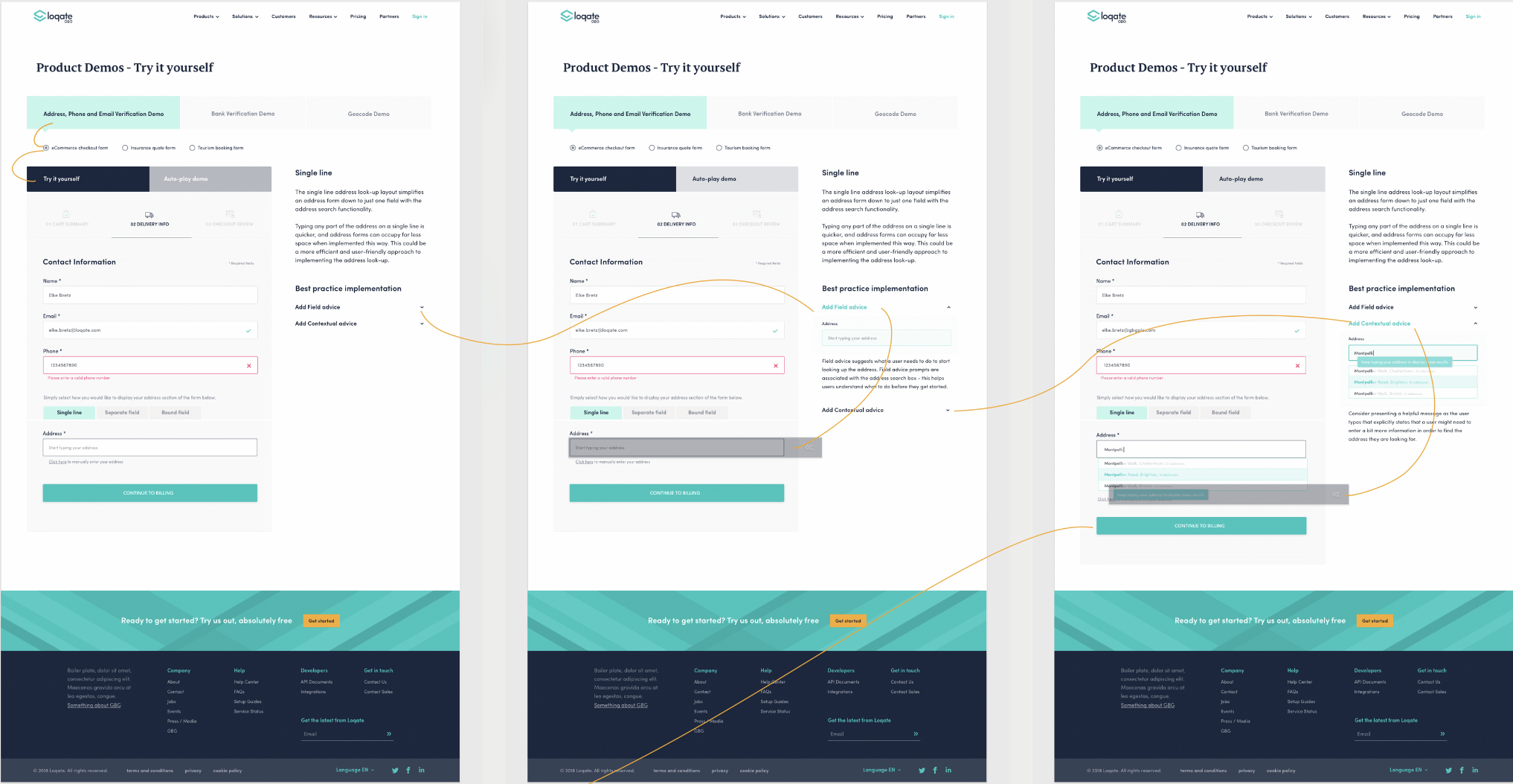
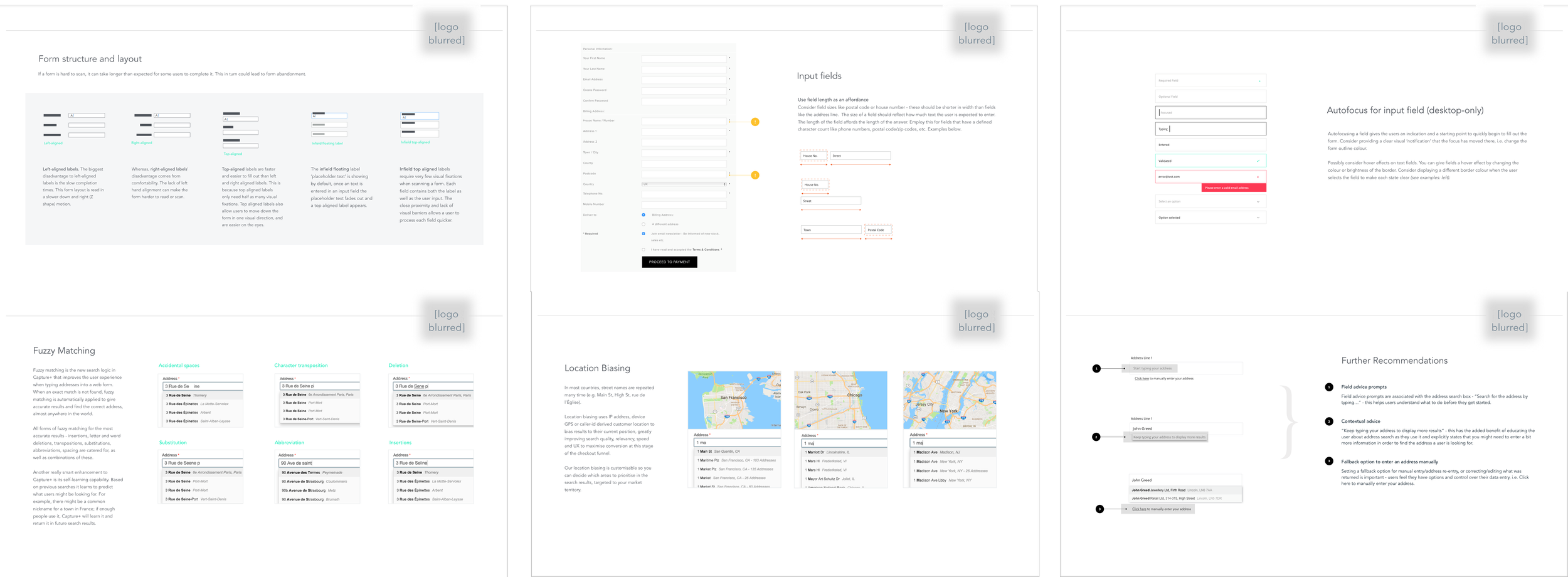
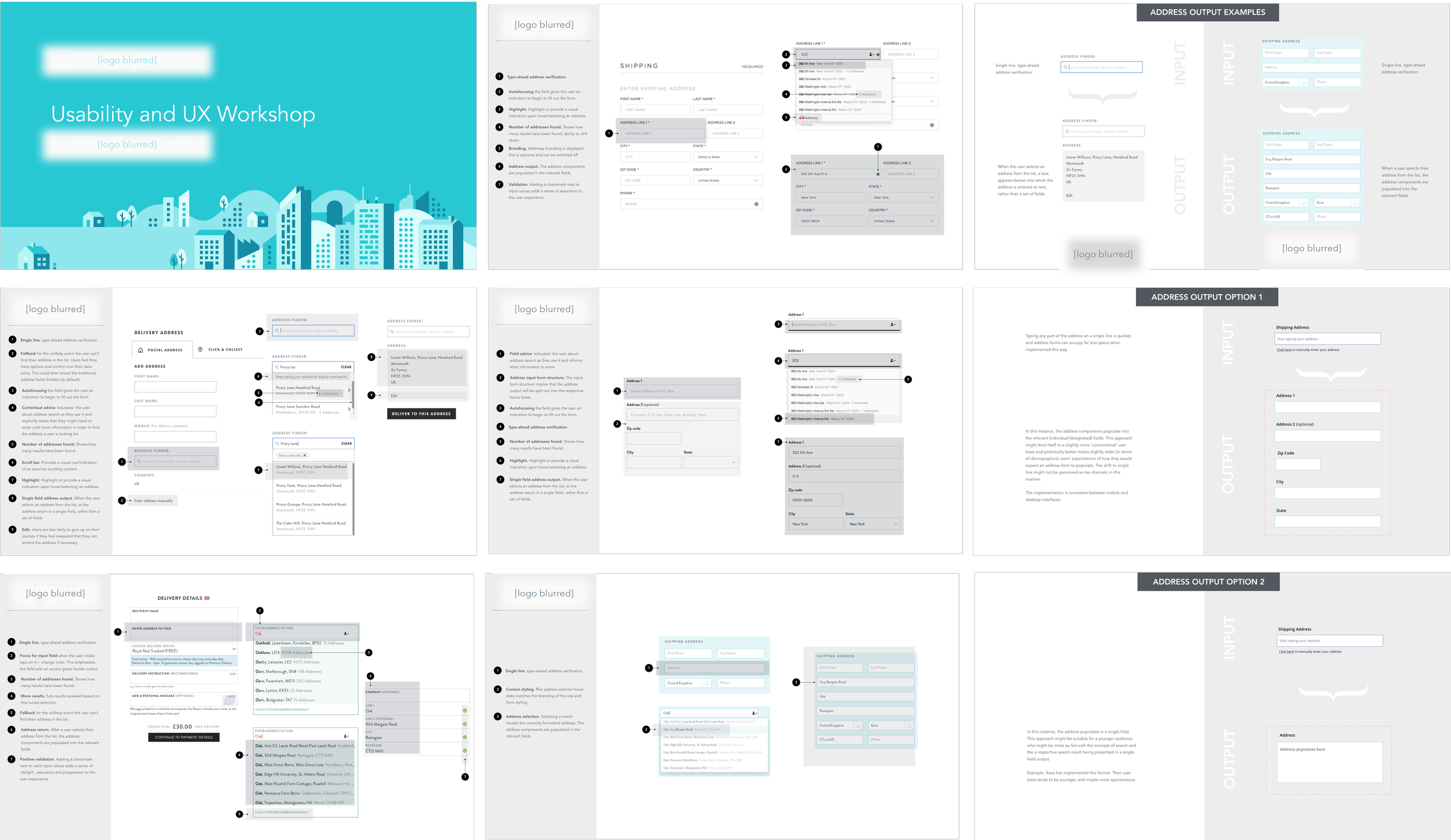
Refined interaction patterns, validation logic and layout hierarchy to reduce friction and increase task completion across core SaaS flows through improved interaction clarity and error handling.
-
![Information Architecture Optimisation]()
Information Architecture Optimisation
Restructured the information architecture to clarify navigation, reduce cognitive load and align content with user intent, improving discoverability, engagement and conversion across the SaaS ecosystem.
-
![Activation → Adoption → Expansion Optimisation]()
Activation → Adoption → Expansion Optimisation
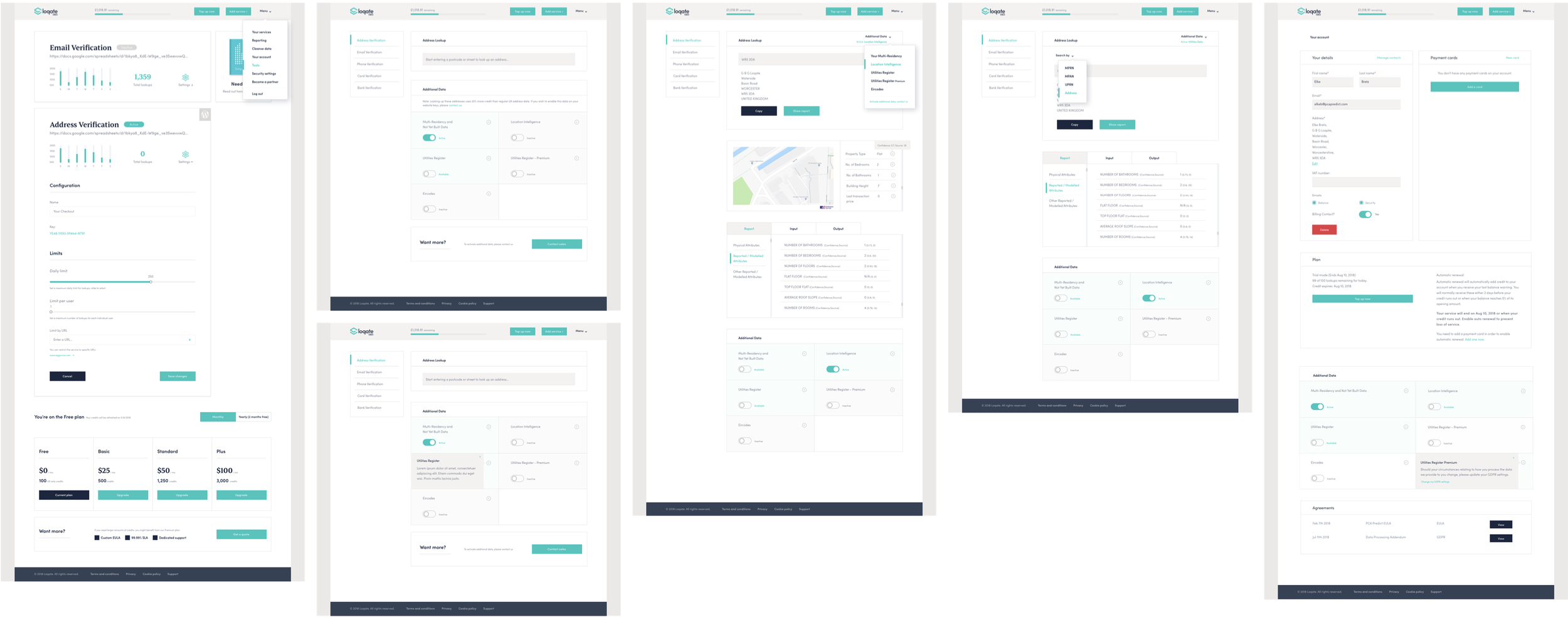
CRO optimisation focused on improving account activation, clarifying usage reporting, and introducing contextual cross-sell prompts to increase product adoption, customer expansion, and revenue growth.
-
![Insight-Led Optimisation Through Real User Testing]()
Insight-Led Optimisation Through Real User Testing
Captured behavioural data and structured feedback to uncover friction, validate assumptions and prioritise high-impact improvements grounded in real user evidence and measurable conversion performance signals.
-
![Reduced Form Friction to Protect Checkout Revenue]()
Reduced Form Friction to Protect Checkout Revenue
Tested and optimised address capture variants to lower cognitive load, clarify validation and increase successful form completion within a high-volume SaaS checkout flow and reduce form abandonment rates.
-
![CRO Experimentation Roadmap]()
CRO Experimentation Roadmap
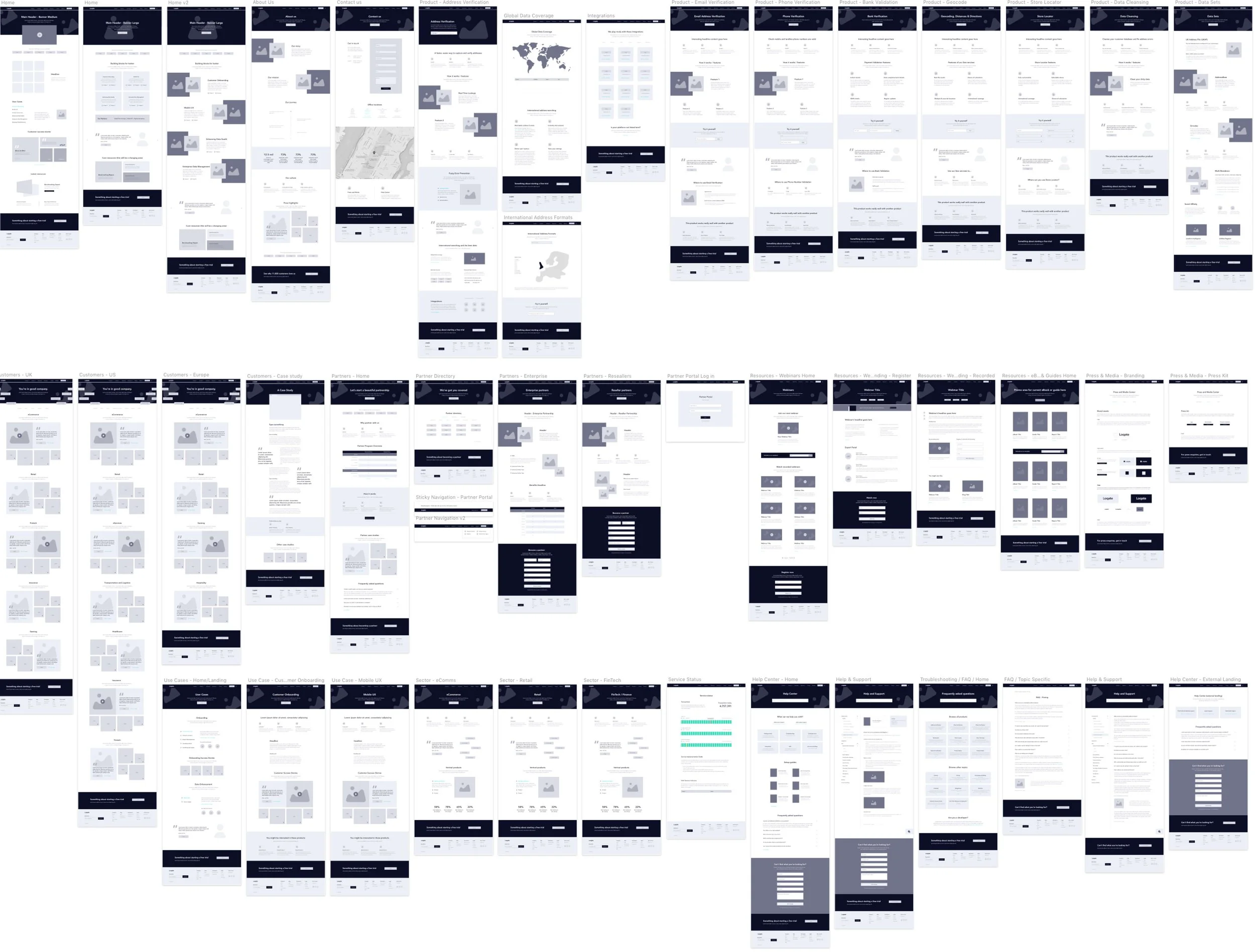
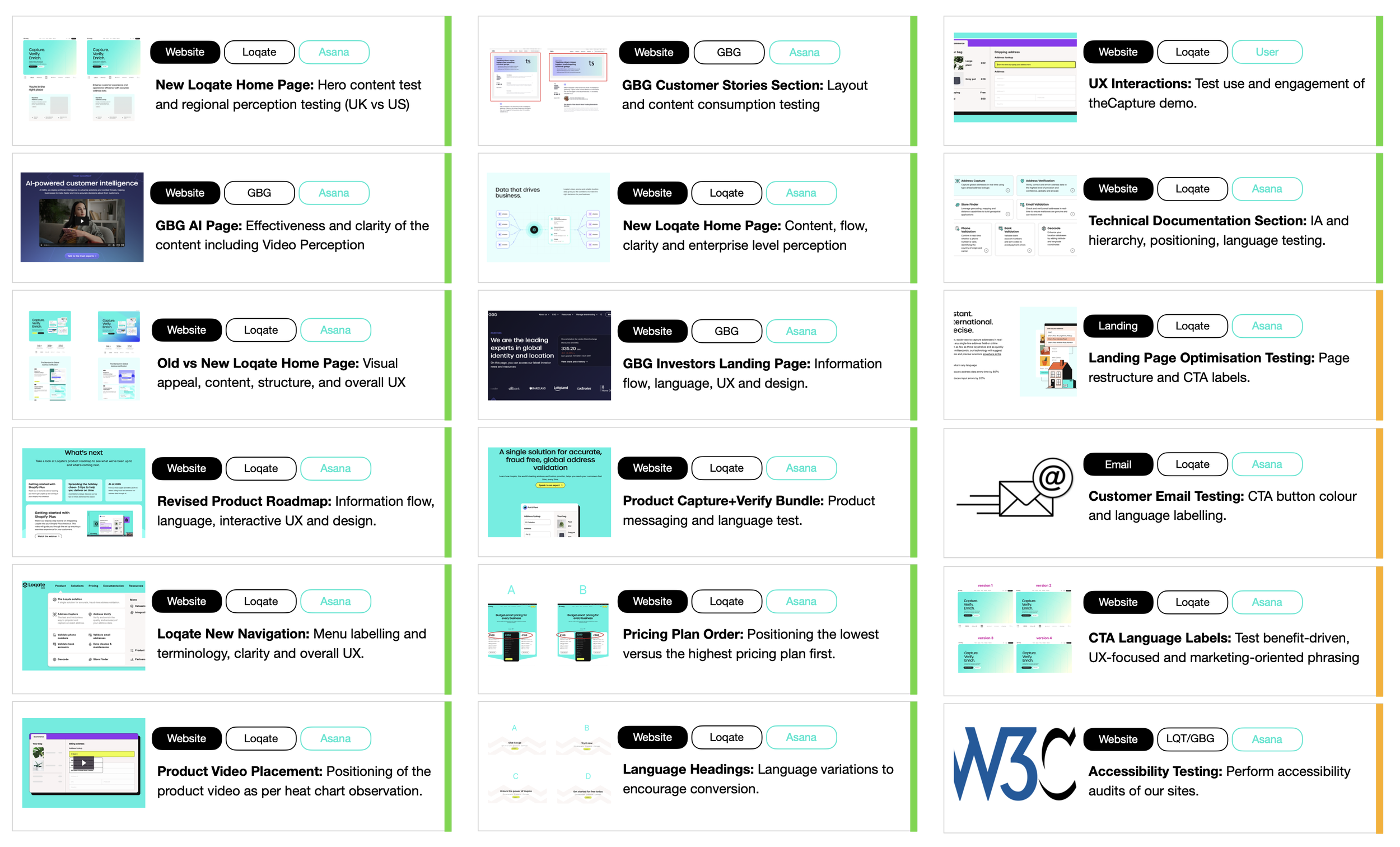
A structured testing roadmap across UX, messaging, layout, navigation, pricing, and accessibility to remove friction, validate hypotheses, and drive measurable conversion improvements.
-
![Customer Journey Optimisation Analysis]()
Customer Journey Optimisation Analysis
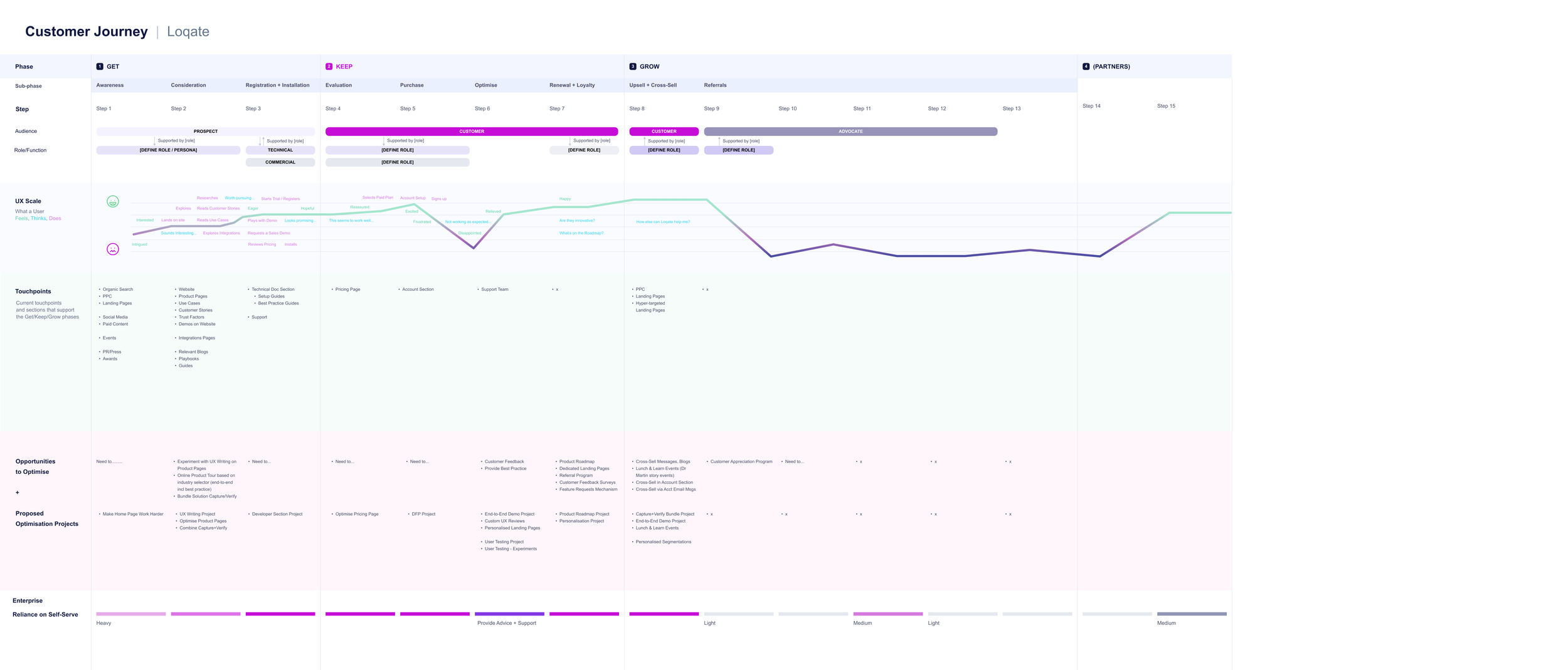
Mapped behavioural drop-offs across the end-to-end SaaS journey, identified friction at key decision points and prioritised data-led experiments to improve activation, retention and revenue growth.
-
![Onboarding Flow Optimisation Experiment]()
Onboarding Flow Optimisation Experiment
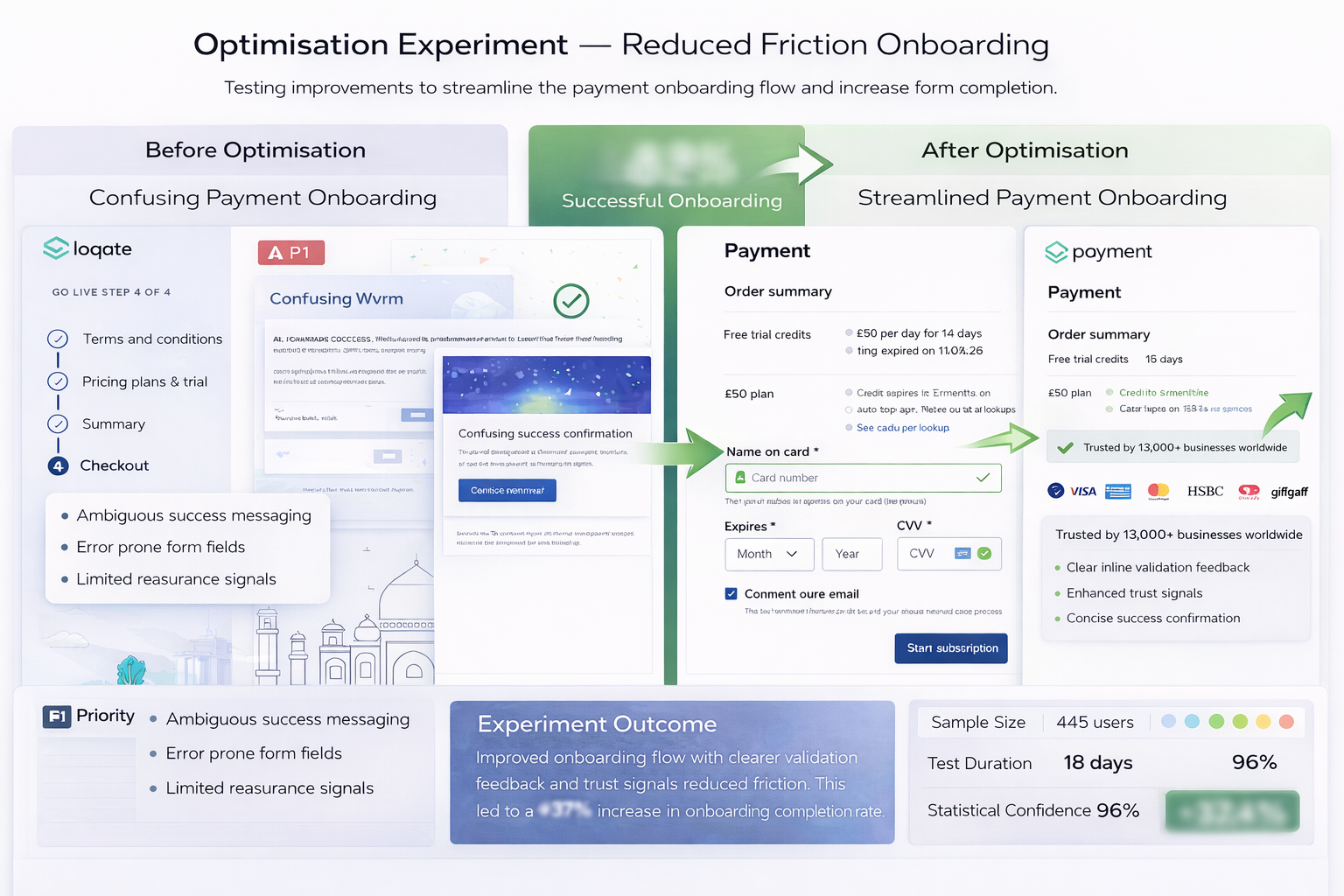
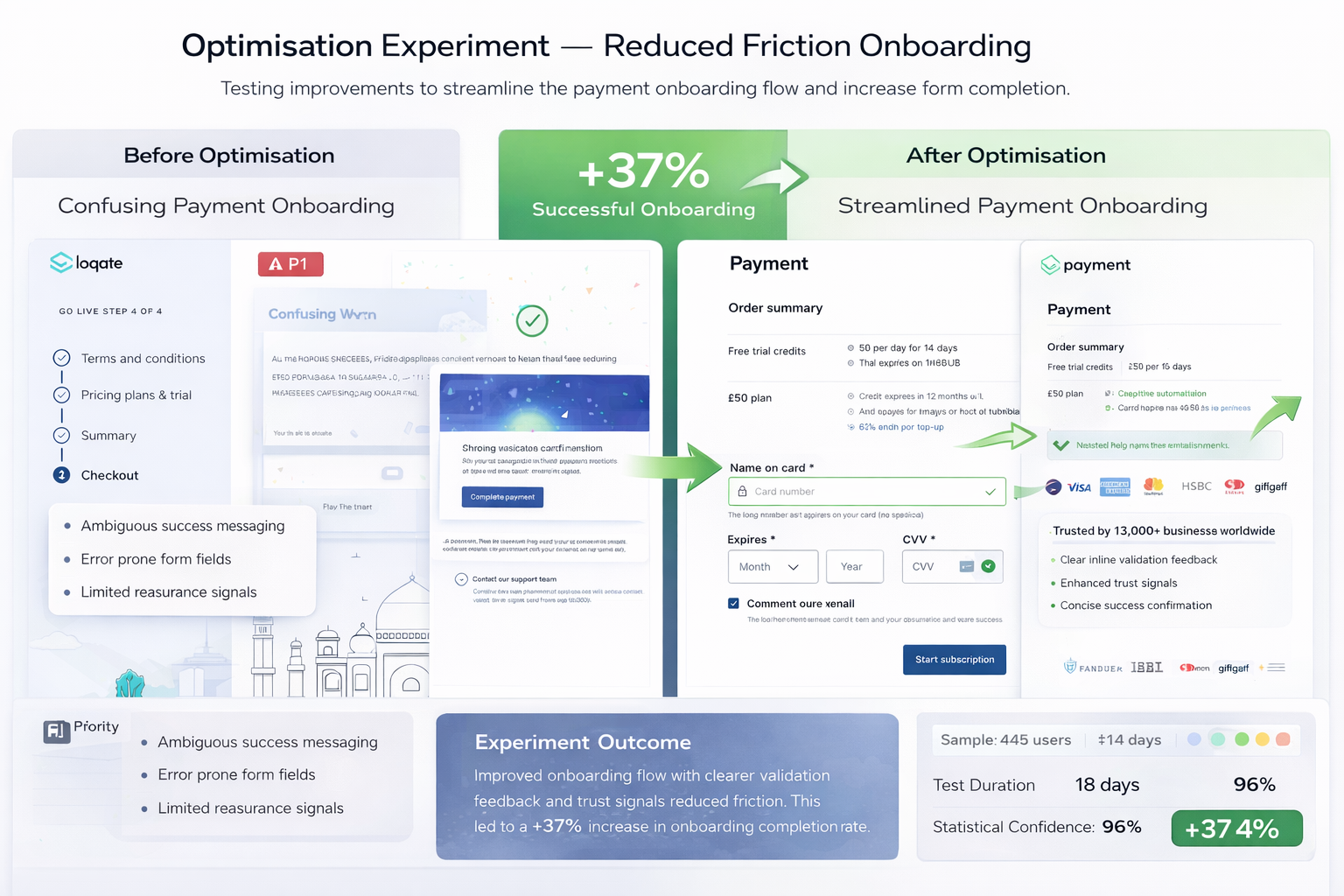
A CRO experiment analysing friction within the payment onboarding journey, testing clearer validation, reassurance signals, and improved feedback to increase successful checkout completion.
-
![CRO Heuristic Evaluation]()
CRO Heuristic Evaluation
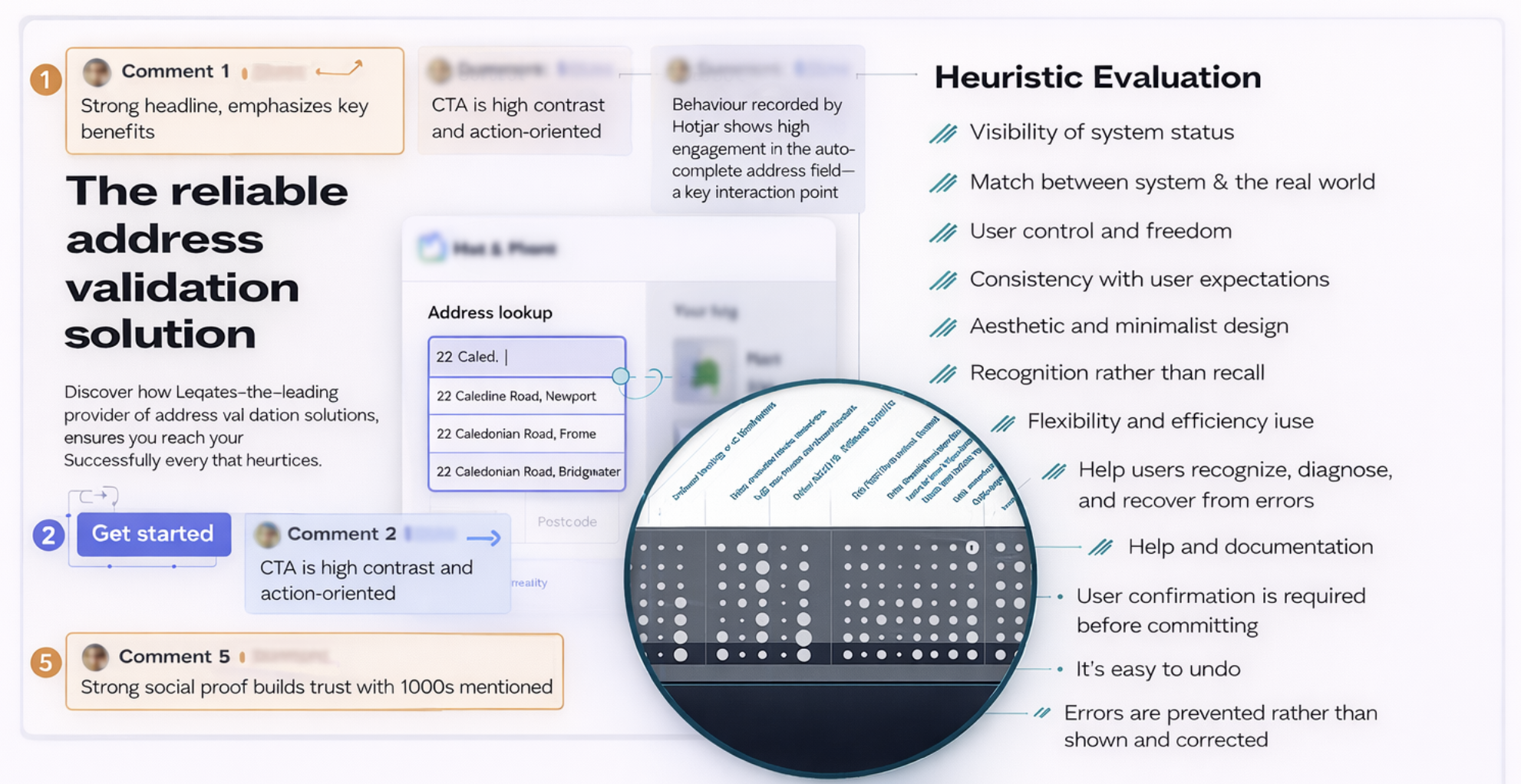
Conducted a structured usability audit to identify friction, strengthen persuasion and prioritise optimisation across the conversion journey using behavioural data, user testing insights, and analytics.
-
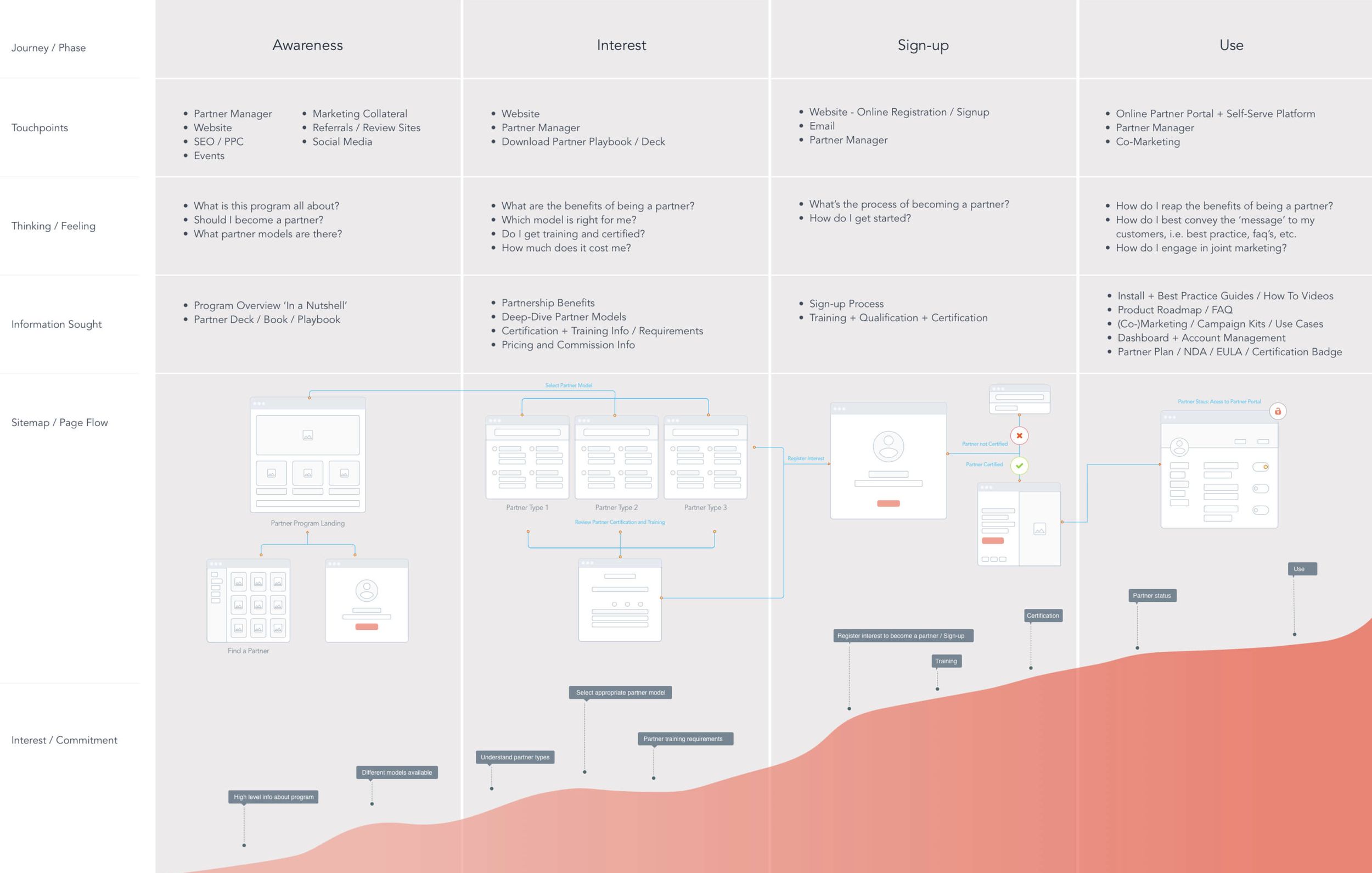
![Testing Friction + Intent Across the Partner Funnel]()
Testing Friction and Intent Across the Partner Funnel
Tested where partner intent weakened between awareness, model selection and sign-up to identify which messaging and decision points most effectively converted interest into certified activation.
-
![Industry-Specific Personalisation]()
Concepting Industry-Specific Personalisation
Dynamically tailored messaging, imagery and value propositions based on visitor industry, ecommerce versus retail, to increase relevance, reduce bounce and drive higher-quality conversions.
-
![Objection Handling That Protects Conversion]()
Objection Handling That Protects Conversion
Strategically surfacing reassurance, FAQs and support touchpoints at high-intent moments reduces friction, builds trust and prevents drop-off in the critical final stages of the funnel during registration progression.
-
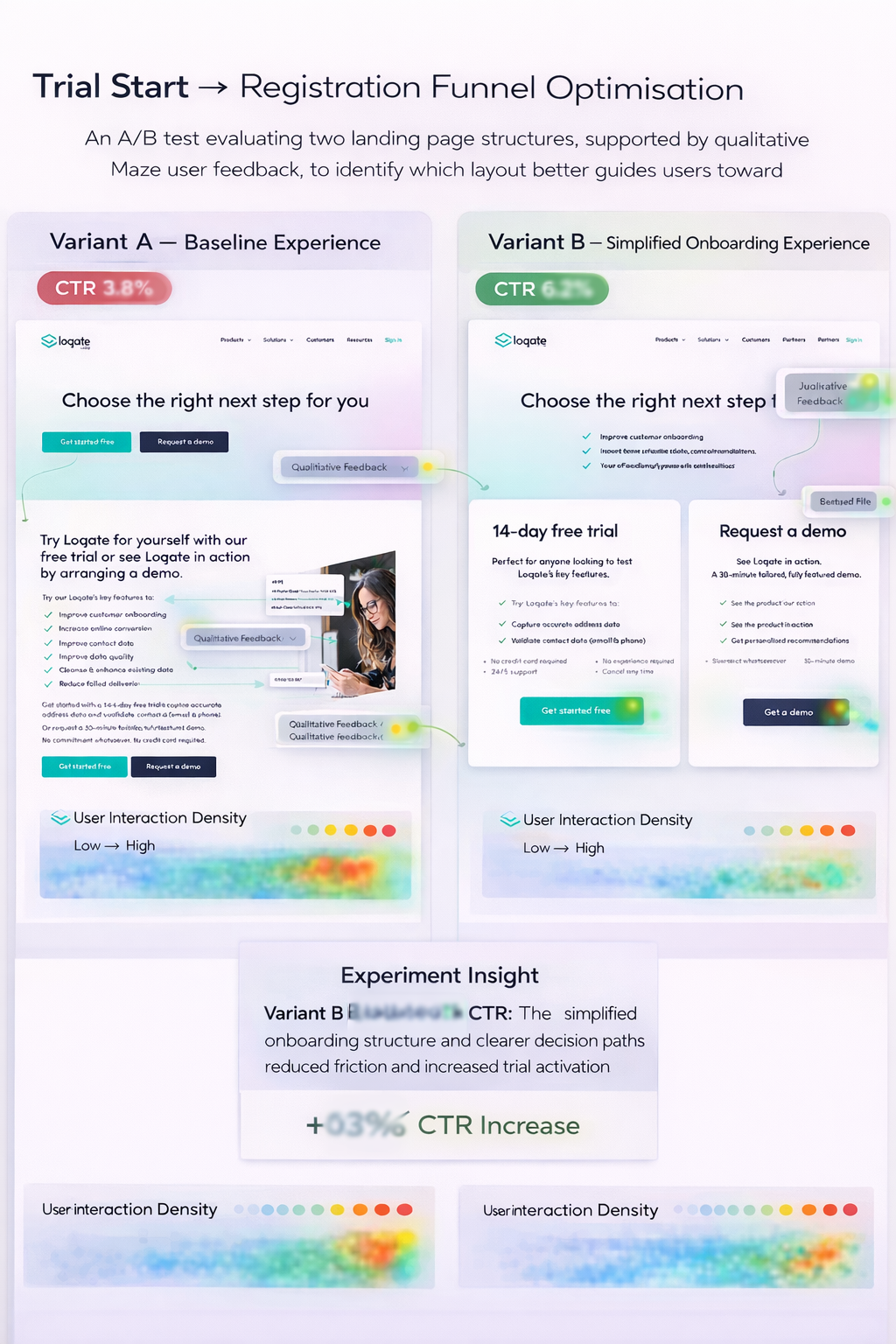
![Trial Start → Registration Funnel Optimisation]()
Trial Start → Registration Funnel Optimisation
CRO experiment focused on improving trial start to registration conversion through simplified onboarding, clearer decision paths, reduced user friction, and stronger call-to-action clarity.
Clarity, trust, and momentum across every step of the user journey
How I Think About CROConversion rate optimisation is not about changing buttons or running isolated tests. It’s about designing decision environments where users move forward with clarity, confidence, and momentum.
Clarity removes hesitation
Trust reduces perceived risk
Momentum keeps users moving forward
When these are aligned, conversion becomes a natural outcome rather than a forced action.
CRO as a SystemI don’t rely on isolated improvements. I build repeatable growth systems. I design CRO as an ongoing operating model:
Insight → behavioural data, qualitative signals, friction analysis
Hypothesis → grounded in user psychology and business impact
Prioritisation → ICE / RICE frameworks
Experimentation → structured testing with clear success metrics
Rollout → scaling winning patterns into product and design systems
This ensures CRO becomes embedded in how the product evolves, not treated as a one-off initiative.
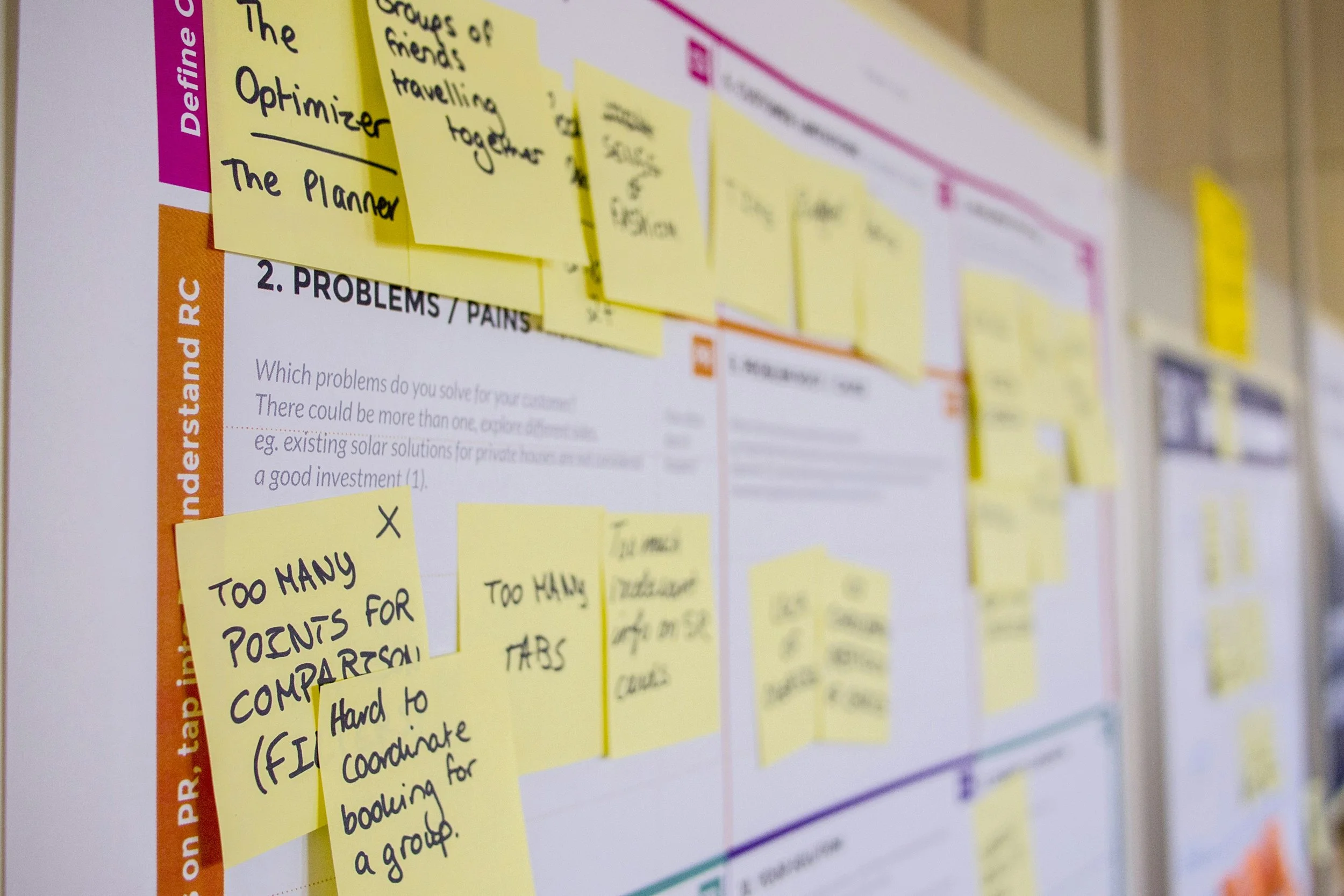
Experimentation with RigourRunning experiments is easy. Running meaningful experiments requires discipline.
My approach includes:
Statistically valid testing, not directional guesses
Clear success criteria aligned to business KPIs
Avoiding experiment overlap and contamination
Balancing speed with signal quality
The goal is not just to run tests, but to build reliable learning that compounds over time.
Behavioural UX & Decision PsychologyMy work is grounded in how people actually make decisions.
I apply behavioural principles such as:
Cognitive load reduction through simplification and hierarchy
Trust-building through transparency, proof, and reassurance
Motivation through value framing and timing
Friction removal across key decision points
This shifts CRO from interface optimisation to decision architecture.
Insight Through Data (Qual + Quant) + AIStrong CRO decisions come from combining multiple data sources. I work across:
Quantitative analytics (funnels, drop-offs, conversion trends)
Behavioural tools (session replays, heatmaps)
Qualitative insight (user feedback, testing, surveys)
This allows me to move from: What is happening → Why it’s happening → What to change
I use AI to support:
Hypothesis generation and exploration
Messaging and variation testing
Pattern detection in behavioural data
Faster iteration cycles
Full Funnel OptimisationCRO doesn’t stop at the landing page. It spans the entire user lifecycle.
I design and optimise across:
Acquisition → landing pages, messaging, entry points
Signup → friction reduction, progressive disclosure
Onboarding → activation flows, guided experiences
Product experience → engagement, feature adoption
Lifecycle → retention, renewal, expansion
This end-to-end approach ensures improvements drive sustained growth, not isolated gains.
Personalisation & SegmentationNot all users behave the same, and high-performing products reflect that.
I design context-aware experiences based on:
Industry and company size
Traffic source and intent
Behavioural signals and journey stage
This increases relevance, improves qualified conversion, and supports better pipeline quality.
Cross-Functional Growth ImpactCRO combines product, marketing, and engineering.
I work closely with:
Product teams to align optimisation with roadmap priorities
Marketing teams to ensure consistency across acquisition channels
Engineering teams to implement scalable, testable solutions
Beyond execution, I help build a culture of experimentation and continuous improvement.
If you’re looking for practical, evidence-led CRO that goes beyond small tweaks and delivers real SaaS growth, you’re in the right place.
I blend behavioural UX, structured experimentation and commercial focus to turn friction into momentum and engagement into measurable revenue. If your product deserves clearer value and stronger conversion performance, let’s build something that truly moves the needle.